
Andalién River
The Andalién River in Concepción Province, Chile, runs about 130 km through Concepción, Talcahuano and Penco to the Bay of Concepción. Its basin is roughly 780 km² and it supports urban, agricultural, and ecological roles.
Overview
The Andalién River is a medium-sized river in the Biobío Region of Chile, located in Concepción Province. It drains westward to the Bay of Concepción and is an important freshwater corridor for the coastal plain around the city of Concepción. The river and its basin influence local land use, flood risk, and habitat connectivity for riparian ecosystems.
Image gallery
3 Images

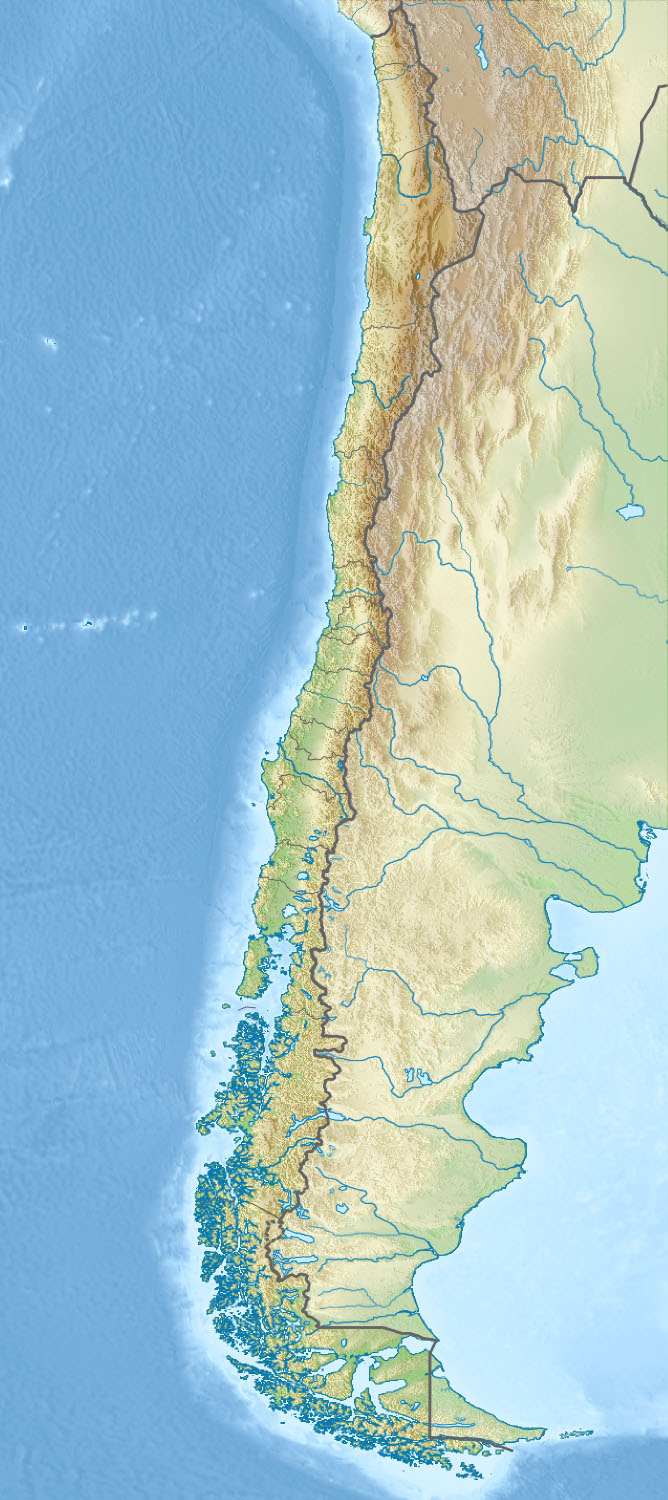
Physical characteristics
The river is commonly reported as about 130 km long and drains a basin of roughly 780 km². Average discharge varies substantially with season and rainfall, with reported ranges on the order of tens to a few hundred cubic metres per second. The channel flows across a mix of upland and lowland terrain before reaching the coastal bay, producing a gradient of habitats from upstream streams to estuarine marshes at its mouth.
Course and surrounding communities
The Andalién crosses or borders several municipalities in the metropolitan area of Concepción. It passes through parts of the commune of Concepción, flows near industrial and port zones of Talcahuano, and reaches the sea near Penco. Urban expansion, port infrastructure and agriculture along its banks have shaped the river corridor and altered hydrology in some sections.
Uses and human impact
Locally the river supports a variety of human uses: it contributes to groundwater recharge, can be a source for irrigation and limited municipal uses, and provides recreational spaces near built-up areas. At the same time, urban runoff, industrial discharges and land conversion in the basin have raised concerns about water quality and flood management. Seasonal floods and channel changes have prompted engineering works and planning measures to reduce risk to populated areas.
Ecology, history and management
Historically the river valley provided resources and routes for indigenous communities prior to Spanish colonization; today it still retains stretches of riparian vegetation and wetlands that are important for birds, amphibians and native fish species. Conservation and river management efforts focus on balancing flood protection, water quality improvement and habitat restoration. Stakeholders include municipal authorities, regional environmental agencies and community groups working on monitoring and rehabilitation projects.
Key facts
- Length: ~130 km
- Basin area: ~780 km²
- Mouth: Bay of Concepción
- Main concerns: seasonal discharge variability, urban impacts, water quality
For more general regional context and administrative details, see local resources and planning documents maintained by provincial and municipal agencies. Technical studies and environmental monitoring reports provide updated information on flow regimes, water quality and restoration priorities.
Related articles
Author
AlegsaOnline.com Andalién River Leandro Alegsa
URL: https://en.alegsaonline.com/art/3874