
Ghostface — the masked antagonist of the Scream franchise
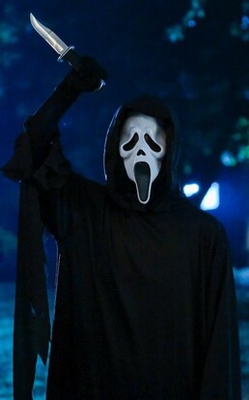
Ghostface is the recurring masked killer identity in the Scream films: a hooded figure with a pale, anguished mask, a taunting voice, and a history of different people assuming the role.
Overview
Ghostface is the collective identity used by villains in the Scream film series, a fictional serial killer persona that first appeared in the 1990s horror revival. Created for the franchise directed by Wes Craven and popularized in multiple sequels, Ghostface functions less as a single individual than as a role adopted by different characters across the films. The persona combines a distinctive visual costume with a pattern of phone-based taunting, stalking, and knife attacks.
Image gallery
6 Images


Appearance and characteristics
The Ghostface look is defined by a long black robe, hood and a white, elongated mask bearing a shocked or mournful expression—an appearance openly inspired by the famous painting The Scream. The killer commonly uses a large hunting knife and relies on anonymous phone calls to unsettle targets before attacking. The voice heard on those calls — raspy, mocking and electronically obscured — is performed in the films by actor Roger L. Jackson.
- Mask and robe: anonymous, theatrical costume often sold as a Halloween outfit (white mask, black robe).
- Weapons and tactics: primarily a knife, with psychological taunts over the phone.
- Identity: multiple people adopt the Ghostface mantle; each film reveals the perpetrator(s) behind the mask.
The films use the unmasking as a recurring narrative device: the reveal typically exposes personal motives and connections to the protagonists, emphasizing that Ghostface is a disguise rather than a supernatural force.
Origins and creation
Wes Craven directed the original Scream and worked with the screenwriter and production team to shape the killer's cinematic presence; the mask and persona were adapted from commercially available costume elements and refined for the films. The Ghostface identity became a cinematic symbol, central to the franchise's commentary on slasher conventions and media-savvy horror.
Legacy and cultural impact
Ghostface quickly moved beyond the films into popular culture: the costume is a common Halloween sight, and the character has appeared in merchandising, parodies and fan works. Academic and fan discussions often highlight Ghostface for how the franchise reinvents slasher tropes by combining anonymity, impersonation and meta-commentary about horror cinema. The series itself is commonly referred to as the Scream franchise, and details about characters, production and reception can be explored through official materials and retrospectives.
For further reference on the character's role and portrayals, sources discuss the voice performance, the changing individuals behind the mask and the films' place in modern horror; see related entries on cinematic villains and slasher film history (Wes Craven, Hollywood context and costume design notes) for broader background. Costume, voice and recurring plot mechanics are often cited when explaining why Ghostface endures as a recognizable horror icon (serial killer motif, signature robe, mask design).
Related articles
Author
AlegsaOnline.com Ghostface — the masked antagonist of the Scream franchise Leandro Alegsa
URL: https://en.alegsaonline.com/art/38662