
Ghor Province
Ghor Province is a mountainous, central Afghan province with capital Chaghcharan. It has a mixed population, medieval Ghurid heritage, and faces development and accessibility challenges.
Overview
Ghor (Pashto: غور, Persian: غور) is one of Afghanistan's thirty-four provinces, situated in the country's central highlands. The provincial capital is Chaghcharan (Chaghcharan). The province is sparsely populated compared with lowland regions; sources indicate roughly 635,302 residents, spread across scattered towns and mountain valleys. Ghor's remoteness has shaped its economy, society, and infrastructure.
Image gallery
7 Images



Geography and climate
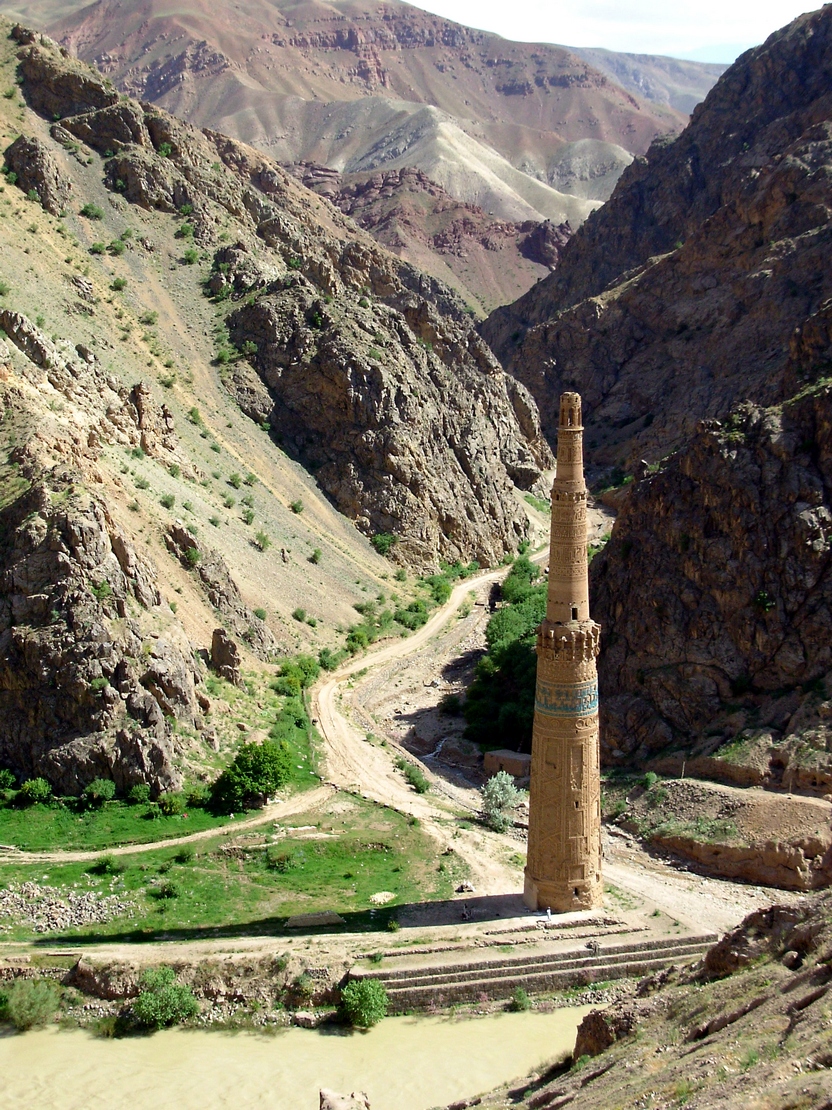
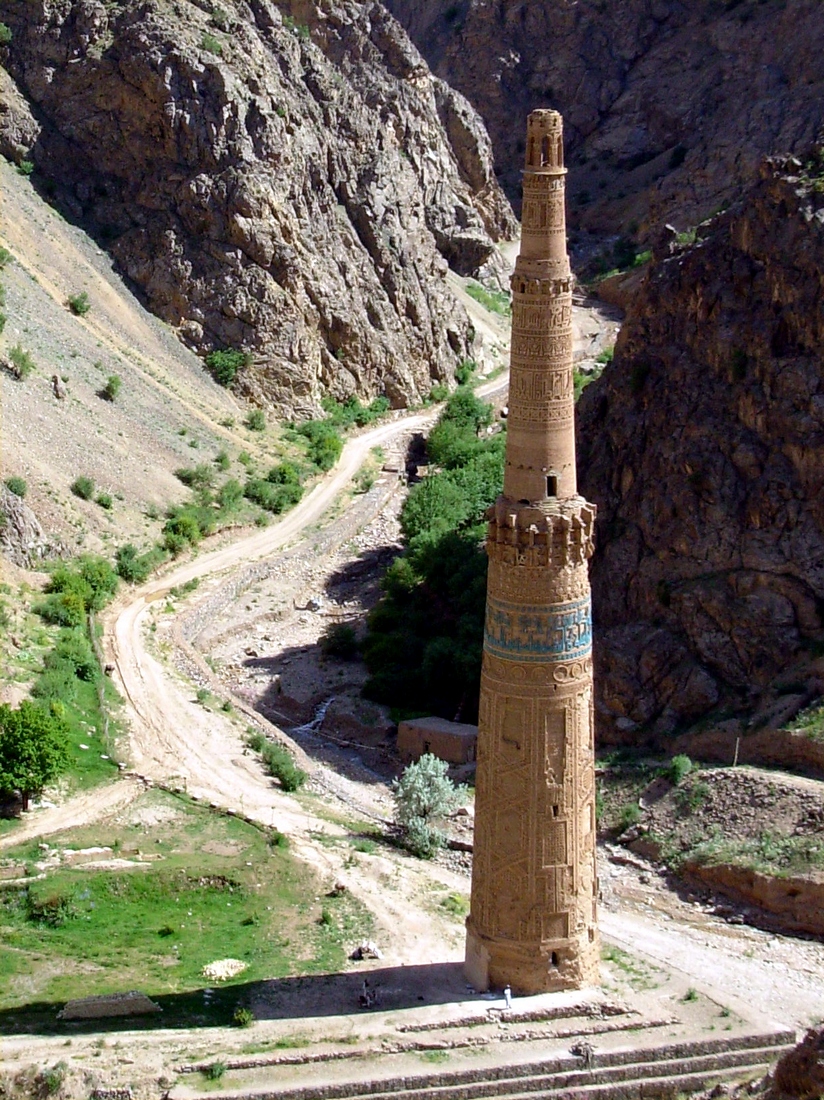
Ghor is dominated by rugged mountains and plateaus that are part of the central Afghan highlands. Elevations vary widely, producing a generally cold, continental climate with long winters and short summers. Harsh terrain and seasonal snow make many roads impassable at times, isolating communities and complicating transport and trade.
People and society
The province has a mixed ethnic composition, including Tajiks, Hazaras, Pashtuns and Aimaq groups, with Dari and Pashto widely spoken. Settlements are often rural and village-based; livelihoods commonly depend on small-scale farming, pastoralism and local crafts. Access to education, healthcare and other services has been limited by geography and years of conflict.
History
Ghor has a notable medieval history: it was the heartland of the Ghurid dynasty, which rose to prominence in the 12th and 13th centuries and played a significant role in the history of the wider region. Remains of fortifications, mosques and other historical sites testify to this legacy, although many are remote or little studied.
Economy and development
The local economy is based largely on subsistence agriculture, animal husbandry and small trade. Development indicators lag national averages, with infrastructure such as roads, schools and clinics in need of investment. There have been periodic projects and aid efforts aimed at improving water management, rural roads and vocational training.
Challenges and notable facts
- Remoteness and mountainous terrain limit access and raise costs for goods and services.
- Seasonal isolation affects schooling and healthcare delivery.
- Ghor's medieval Ghurid heritage is of interest to historians and archaeologists, though many sites remain difficult to reach.
- For background on Afghanistan's provinces and administrative structure, see a general overview: Afghanistan provinces.
Ghor remains a province where geography, history and modern development needs intersect. Its cultural heritage and resilient communities coexist with persistent challenges in connectivity and public services.
Related articles
Author
AlegsaOnline.com Ghor Province Leandro Alegsa
URL: https://en.alegsaonline.com/art/38649
Sources
- geohive.com : "Afghanistan at GeoHive"
- mrrd-nabdp.org : "B. Demography and Population of Ghor Province"
- fao.org : Afghanistan Geographic & Thematic Layers