
Ger van Elk: Dutch conceptual and installation artist (1941–2014)
Ger van Elk (1941–2014) was a Dutch artist known for conceptual work across painting, sculpture, photography, film and installation, noted for ironic, image-focused investigations and use of everyday materials.
Overview
Ger van Elk (born March 9, 1941 in Amsterdam — died August 17, 2014 in Amsterdam) was a Dutch artist whose practice spanned painting, sculpture, photography, film and installation. Often placed within the field of conceptual art and related to the spirit of arte povera, his work explored how images and objects carry meaning inside the museum and in everyday contexts.
Image gallery
3 Images
Characteristics of his work
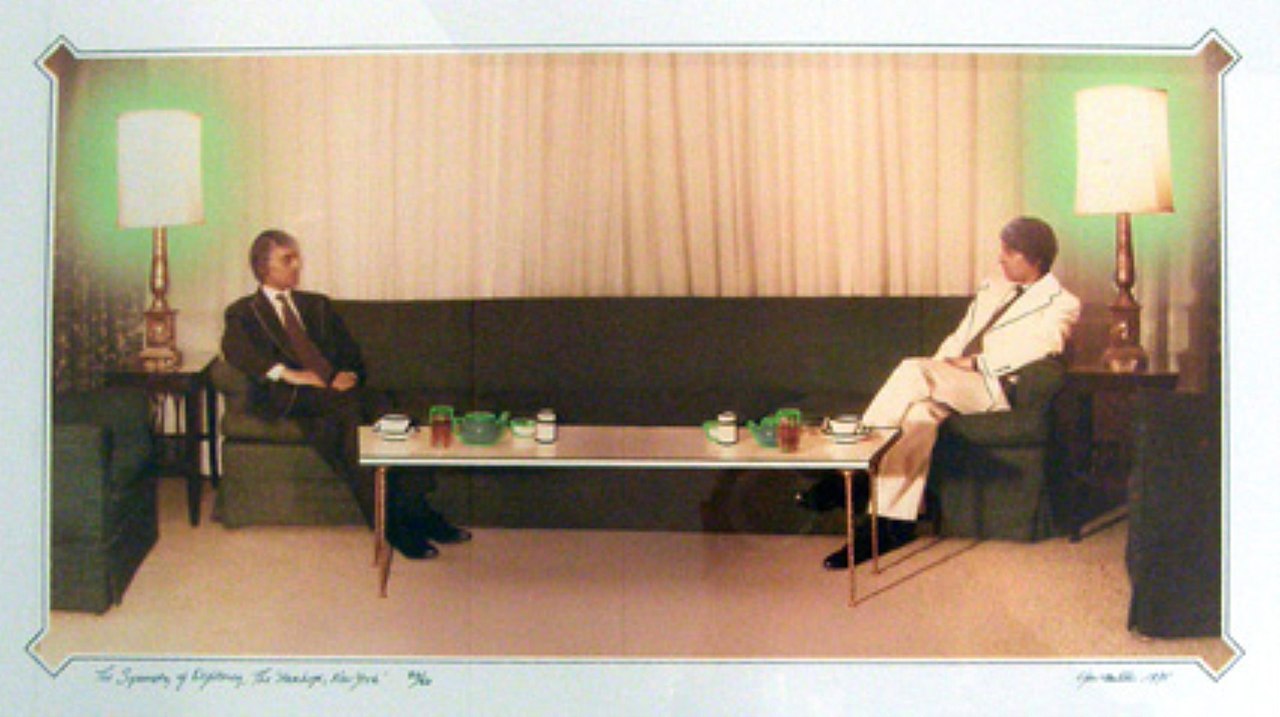
Van Elk used a wide range of materials and formats: painted surfaces, photographed and manipulated images, ready-made objects, and short films. His pieces frequently combined humor and irony with careful craft, drawing attention to the act of representation itself. Themes included the relationship between photography and painting, the theatrical display of art, and the tension between high and low cultural references.
Career and development
After studying in Groningen during the 1960s, van Elk spent extended periods working in the United States and the Netherlands. Between 1959 and 1988 he lived and worked in cities such as Los Angeles, New York City and Amsterdam. These international experiences shaped a practice attentive to American popular imagery as well as European art-historical debates.
Uses, reception and importance
Van Elk’s work is valued for its conceptual clarity and visual wit. He made installations that asked viewers to reconsider how context changes meaning, and his photographic works often functioned as records and reinterpretations of sculptural situations. His contributions helped shape late 20th-century Dutch contemporary art and informed younger generations interested in cross-media strategies. In 1996 he received the J. C. van Lanschot Prize for Sculpture.
Distinctions and legacy
Distinct from strictly minimalist or purely theoretic conceptual artists, van Elk retained a strong sensibility for image-making and materials, keeping craft and visual play central. He is remembered for blending the analytical concerns of conceptual practice with expressive, sometimes mischievous interventions. For further information and examples of his works, see general resources and exhibition listings (artist overview, biographical notes, exhibition histories, contextual essays, museum entries).
Related articles
Author
AlegsaOnline.com Ger van Elk: Dutch conceptual and installation artist (1941–2014) Leandro Alegsa
URL: https://en.alegsaonline.com/art/38381
Sources
- nrc.nl : Ger van Elk, “Nederlands boegbeeld conceptuele kunst, overleden (73)” NRC.nl 18 August 2014
- books.google.com : Contemporary Artists: L-Z
- explore.rkd.nl : Ger van Elk