
Georges Vézina: Pioneering Montreal Canadiens Goaltender and Namesake of the Vezina Trophy
Overview of Joseph-Georges Vézina, early 20th-century Canadiens goaltender noted for durability, championships, and lasting legacy as the namesake of the Vezina Trophy and an original Hall of Fame inductee.
Joseph-Georges-Gonzague Vézina (January 21, 1887 – March 27, 1926) was a Canadian professional ice hockey goaltender best known for his long and consistent tenure with the Montreal Canadiens. Recruited from Chicoutimi, he anchored the Canadiens throughout the transition from the National Hockey Association (NHA) into the newly formed National Hockey League (NHL), becoming a defining figure in early professional hockey.
Image gallery
5 Images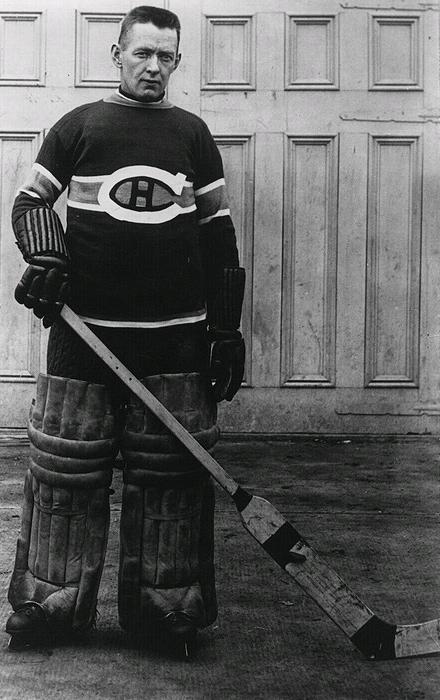



Early life and arrival in professional hockey
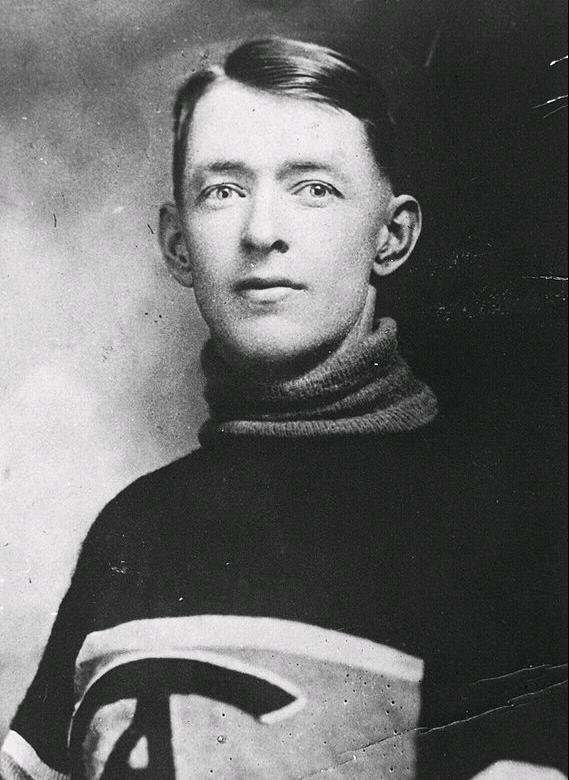
Vézina was born in Chicoutimi, Quebec, and began playing competitively in regional circuits before joining Montreal. He arrived at a time when the structure of professional hockey was evolving rapidly and when the specialized role of the goaltender was becoming more prominent. Vézina established himself quickly as a reliable presence in net and became the Canadiens’ long-term choice in goal.
Career and durability
Across seven seasons in the NHA and five in the NHL, Vézina was notable for his extraordinary durability. He is recorded as having played some 327 consecutive regular-season games and 39 playoff games for the club, effectively serving as Montreal’s only goaltender between about 1910 and 1925. During this span he helped the Canadiens win the Stanley Cup in 1916 and again in 1924, and he was part of additional championship runs and final appearances.
Playing style and equipment
Contemporaries described Vézina as calm, composed and positionally sound — attributes that earned him the nickname the "Chicoutimi Cucumber." Goaltending in his era relied heavily on a stand-up, positional approach, with minimal protective equipment compared with later decades; masks were not used and pads and gloves offered limited protection. Vézina’s technique emphasized reading the play, angling shots and steady rebound control, characteristics that influenced how the position was played during the sport’s early professional era.
Records and milestones
Vézina led his league in allowing the fewest goals several times, a distinction recorded across both the NHA and the NHL. He is also credited with several notable milestones for a goaltender in the early NHL: he is often cited as the first goaltender in the NHL to be credited with a shutout and the first to earn an assist on a goal in league play. Such achievements underline his standing among the period’s best players and his contribution to the competitive development of the position.
Illness, retirement and death
Vézina’s streak of continuous service ended when he left a game in 1925 after collapsing; he was later diagnosed with tuberculosis. He did not return to play and died on March 27, 1926. His illness and untimely death drew attention across the hockey world and prompted the Canadiens and others to commemorate his contributions to the club and the game.
Vezina Trophy and the evolution of its criteria
To honour Vézina’s service, the Montreal Canadiens donated the Vezina Trophy to the NHL at the start of the 1926–27 season as an award to the goaltender of the team allowing the fewest goals. For decades the trophy recognized that statistical achievement; in 1981 the award’s criteria were changed so that it is given to the goaltender judged to be the league’s best as voted by NHL general managers. The trophy remains one of the most prestigious individual honours for goaltenders in professional hockey (Vezina Trophy).
Legacy and honours
Vézina’s legacy is preserved in a number of ways. He was one of the original twelve inductees when the Hockey Hall of Fame opened in 1945, placing him among the earliest recognized greats of the sport. His hometown commemorates him through the Centre Georges-Vézina (Centre Georges-Vézina), a sports arena named in his honour. References to his career appear in team histories and national accounts of hockey’s formative decades, and his name is regularly invoked in discussions about the development of goaltending technique and the early Montreal Canadiens.
Context and further reading
For historical context, consult primary season records and contemporary reporting from the NHA and early NHL years, which document championship series such as the Canadiens’ 1916 Cup victory and later successes (1916 Cup). Overviews of the league’s evolution offer perspective on the 1926–27 season when the trophy was donated (1926–27 NHL season). Statistical summaries and player lists held by archival collections provide additional detail on Vézina’s appearances and milestones (player records), while essays on the goaltending position describe how equipment and tactics changed over the decades (hockey profiles, position studies). Early league histories and Cup archives remain useful for researchers and fans seeking deeper information about this formative era (league histories, early professional leagues, Cup archives, memorial listings).
Summary
Georges Vézina stands as a central figure in early professional hockey: a durable and composed goaltender who helped define his position, won championships with the Montreal Canadiens and whose name continues to be honoured annually by the Vezina Trophy. His career and memory link the sport’s early decades to the modern game, and his story remains a touchstone in the history of hockey goaltending.
Questions and answers
Q: What is the full name of Joseph-Georges-Gonzague Vézina?
A: Joseph-Georges-Gonzague Vézina.
Q: When did Vézina win the Stanley Cup?
A: Vézina won the Stanley Cup two times with the Montreal Canadiens, in 1916 and 1924.
Q: How many consecutive regular season games did Vézina play in?
A: Vézina played in 327 consecutive regular season games.
Q: What illness was Vézina diagnosed with?
A: Vézina was diagnosed with tuberculosis.
Q: How many times did he allow the fewest goals against in his career?
A: He allowed the fewest goals against seven times in his career - four times in the NHA and three times in the NHL.
Q: What award is given to honour Vezina's legacy? A: The Vezina Trophy is awarded to the goaltender who allows the fewest goals during an NHL season.
Q: Where is Georges-Vezinas hometown? A: Georges-Vezinas hometown is Chicoutimi, Quebec, Canada.
Related articles
Author
AlegsaOnline.com Georges Vézina: Pioneering Montreal Canadiens Goaltender and Namesake of the Vezina Trophy Leandro Alegsa
URL: https://en.alegsaonline.com/art/38328