
Geoffrey Charles Tasker Keyes
British Army officer (1917–1941), youngest lieutenant-colonel at the time; led a daring raid in North Africa and was posthumously awarded the Victoria Cross and Military Cross.
Overview
Geoffrey Charles Tasker Keyes (18 May 1917 – 18 November 1941) was a British Army officer remembered for his leadership and bravery during the Second World War. He rose rapidly through the ranks and, at the time of his death, was the youngest serving lieutenant-colonel in the British Army. For his actions in North Africa he was posthumously awarded the Victoria Cross and had previously received the Military Cross.
Image gallery
3 Images

Background and military career
Keyes came from the United Kingdom and served in the British armed forces during the early years of the Second World War. He saw action in the Mediterranean and North African theatres, where small-unit operations, reconnaissance and raids were frequently used to disrupt enemy lines. His rapid promotion reflected both his capability as a commander and the demands of wartime service.
Operation Flipper and the North Africa raid
In November 1941 Keyes led a commando-style assault, later known as Operation Flipper, aimed at disrupting the German command in North Africa. The operation's principal objective was to strike at enemy headquarters and senior officers in the hope of degrading operational control. Although the primary objective—killing Field Marshal Erwin Rommel—was not achieved, the raid demonstrated aggressive initiative and daring tactics against a well-equipped opponent.
Death and recognition
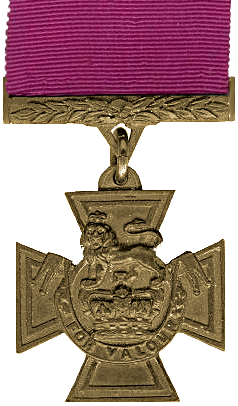
Keyes was killed in the course of the raid on 18 November 1941. His conduct during the action was judged to be gallant and of the highest order, leading to the posthumous award of the Victoria Cross, the United Kingdom's highest decoration for valor. He is also listed among recipients who had previously been decorated with the Military Cross for earlier service. Contemporary reports and regimental records note his youth and the extent of his responsibility when he fell in action.
Legacy and remembrance
Keyes's death and decoration have been commemorated in regimental histories, war memorials and biographies that examine small-scale operations in the Western Desert. He is sometimes cited as an example of the high-risk, high-reward nature of commando raids in 1941, and as a young officer given exceptional responsibility by his superiors. His story appears in studies of leadership under fire and the evolution of special operations during the war.
Notable facts and context
- Honours: Awarded the Victoria Cross posthumously and holder of the Military Cross.
- Nationality: Often described as Scottish in contemporary references, he served in the wider forces of the British military.
- Scope: His actions formed part of broader Allied efforts that included personnel from across the Commonwealth.
Further reading and detailed accounts of Operation Flipper, Keyes's military record and the circumstances of his VC citation are available in regimental archives and modern military histories that discuss North African special operations.
Related articles
Author
AlegsaOnline.com Geoffrey Charles Tasker Keyes Leandro Alegsa
URL: https://en.alegsaonline.com/art/38106
Sources
- unithistories.com : British officers, WWII