
Gentile Bellini (c. 1429–1507)
Italian Renaissance painter from the Bellini family, official portraitist to the Venetian doges, noted for detailed civic scenes, portraits and a diplomatic mission to the Ottoman court.
Gentile Bellini was an Italian painter active in Venice during the 15th century. He belonged to the prominent Bellini family of artists and worked for civic and religious clients. As a leading figure in Venetian official art, he was appointed as the state portrait painter and produced works that documented ceremonial life and public pageantry. Painter of formal commissions, he combined careful descriptive detail with a late Gothic sensibility.
Image gallery
8 Images


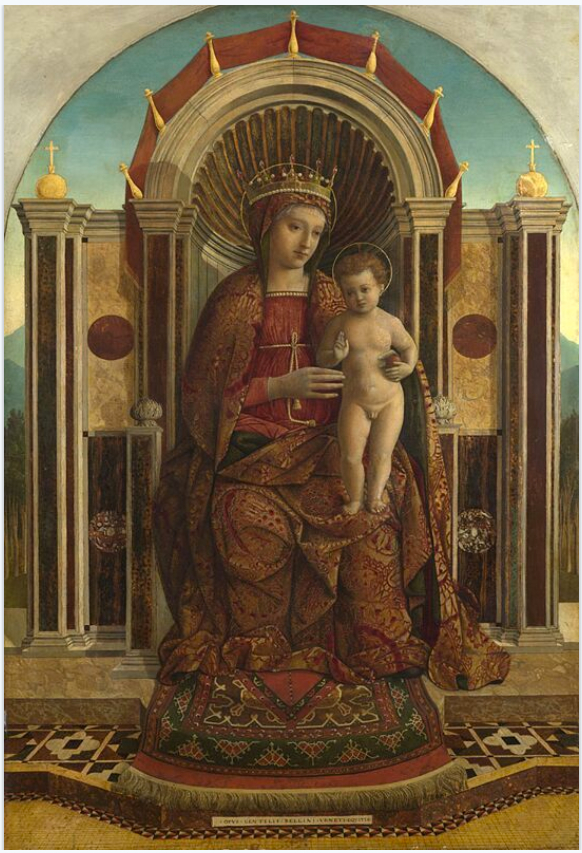
Life and professional role
Born around 1429 into a family of artists, Gentile trained in the workshop tradition that dominated Venetian production. His younger brother, Giovanni Bellini, became equally well known for developments in color and landscape; Gentile retained a more conservative, documentary approach. In 1474 he was named official portraitist to the Doges, producing state portraits and ceremonial scenes that recorded Venice's public rituals. He executed altarpieces, civic paintings and individual likenesses for both the Republic and private patrons.
Constantinople mission and cross-cultural impact
In the later 1470s Gentile traveled to the court of the Ottoman sultan at Constantinople on a diplomatic-cultural mission to paint the ruler. That trip brought direct exposure to Ottoman visual culture and exchanged artistic information between Venice and the eastern Mediterranean. Paintings and drawings inspired by that journey show heightened interest in costume, textiles and non‑Western settings.
Style, subjects and legacy
Gentile is remembered for precise portraiture, richly observed civic processions and narrative religious scenes. His work often emphasizes topographical detail and costume over overt illusionistic experimentation. Examples of his civic painting survive as important visual records of Venetian public life, and his role as a state artist shaped how the Republic presented itself.
Notable themes and works
- Official portraits and state commissions, reflecting Venice's ceremonial culture (portrait practice)
- Civic processions and public pageants that document urban space in Venice
- Works inspired by his stay in Constantinople and contact with Ottoman patrons
- Religious altarpieces produced for churches and confraternities
Although later generations often favor Giovanni Bellini's innovations, Gentile's paintings remain valued for their documentary precision and for the role they played in cultural and diplomatic exchange between Renaissance Italy and the wider Mediterranean world.
Related articles
Author
AlegsaOnline.com Gentile Bellini (c. 1429–1507) Leandro Alegsa
URL: https://en.alegsaonline.com/art/38072