
Gennes-Ivergny — commune in Pas-de-Calais, northern France
Gennes-Ivergny is a small French commune in the Pas-de-Calais department, formerly in Nord-Pas-de-Calais. It has a rural character, local governance, and modest historical and agricultural features.
Overview
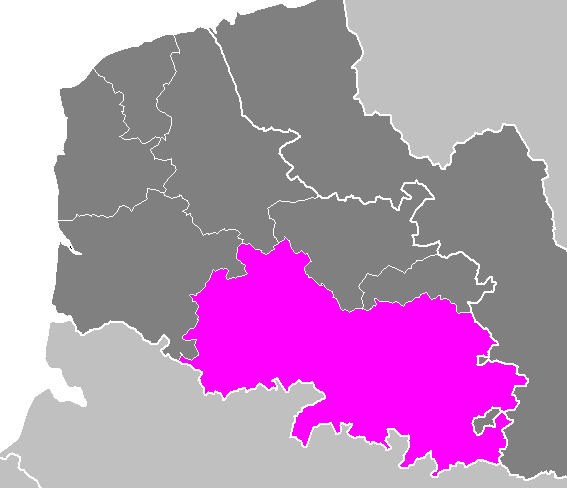
Gennes-Ivergny is a commune in the Pas-de-Calais department in the north of France. Historically it lay within the Nord-Pas-de-Calais region, a territory now administered as part of the larger Hauts-de-France region. As a French commune, it represents the smallest level of territorial administration and typically centres on one or more villages and surrounding farmland.
Image gallery
2 Images
Geography and character
The locality has a predominantly rural landscape: fields, small woodlands and scattered dwellings are common. Communes like Gennes-Ivergny are often characterized by agricultural activity, local roads linking to nearby towns, and a compact village core with residential houses and communal facilities.
History and origins
The compound name suggests the commune includes or originated from two settlements, Gennes and Ivergny, a pattern found elsewhere in France where neighbouring villages have been grouped for administrative purposes. Physical features such as an older parish church, farmsteads and traces of historic land use commonly mark such places, pointing to medieval or early-modern roots without implying precise dates.
Economy, landmarks and daily life
Local life tends to revolve around agriculture, small-scale commerce and communal events. Typical landmarks in such communes include a town hall, a church or chapel, and rural heritage elements like barns or wayside crosses. Residents usually rely on nearby larger towns for broader services, schools and markets.
Administration and services
Governing responsibilities are handled by a mayor and municipal council, who manage local planning, basic services and community activities. Public transport is often limited; connections are provided by regional roads and occasional bus services linking to departmental centres. For administrative or tourist information, local mairie offices and departmental resources are primary contacts.
Further notes
This entry provides a general portrait of Gennes-Ivergny as a small Pas-de-Calais commune. For official records, maps and current administrative details consult departmental or regional sources: north of France regional guides and local municipal notices offer up-to-date information.
Related articles
Author
AlegsaOnline.com Gennes-Ivergny — commune in Pas-de-Calais, northern France Leandro Alegsa
URL: https://en.alegsaonline.com/art/38039