
Genk — city and municipality in Limburg, Belgium
Genk is a municipality in Limburg, Flanders, Belgium, noted for its coal-mining history, cultural regeneration (C-mine, Bokrijk), green spaces and the successful football club K.R.C. Genk.
Overview
Genk is a city and municipality in the Flemish Region of Belgium, located in the province of Limburg (Limburg). It lies at about 50°57′N, 5°30′E. The town grew rapidly during the industrial era; official figures recorded roughly 64,095 inhabitants in 2007, and the community today remains one of the larger urban centres in Belgian Limburg.

Image gallery
10 Images



History and development
Originally a rural area of farms and small villages, Genk experienced dramatic change after coal was discovered and mined in the late 19th and 20th centuries. Mining attracted workers from Belgium and abroad, transforming the local economy and population mix. Many former mining sites have been redeveloped for cultural, educational and business uses as the town moved away from heavy industry in the late 20th century. One prominent example of adaptive reuse is the C-mine creative hub, located on a former coal complex.
Culture, parks and attractions
Genk combines industrial heritage with green spaces and museums. The municipality includes or lies close to large protected areas and heritage sites that draw visitors and residents alike.
- Bokrijk — an open-air museum and park preserving traditional buildings and crafts.
- C-mine — a cultural complex offering exhibitions, schools and events in restored mine buildings.
- Nearby nature reserves and recreational forests popular for walking and cycling.

Economy and society
After the decline of coal, Genk diversified its economy. Manufacturing, services, logistics and cultural industries now coexist with small and medium enterprises. The closure of large industrial plants in recent decades prompted public and private investment in urban renewal, education and tourism. The town retains a multicultural character shaped by waves of migrant workers and their families.
Sports and identity
Sport plays a notable role in local identity, most visibly through the professional football club K.R.C. Genk. The club competes at the highest national level and has represented Belgium in European competitions; its successes have contributed to the city's national profile. Local amateur clubs and recreational facilities support active participation in many other sports.
Notable facts
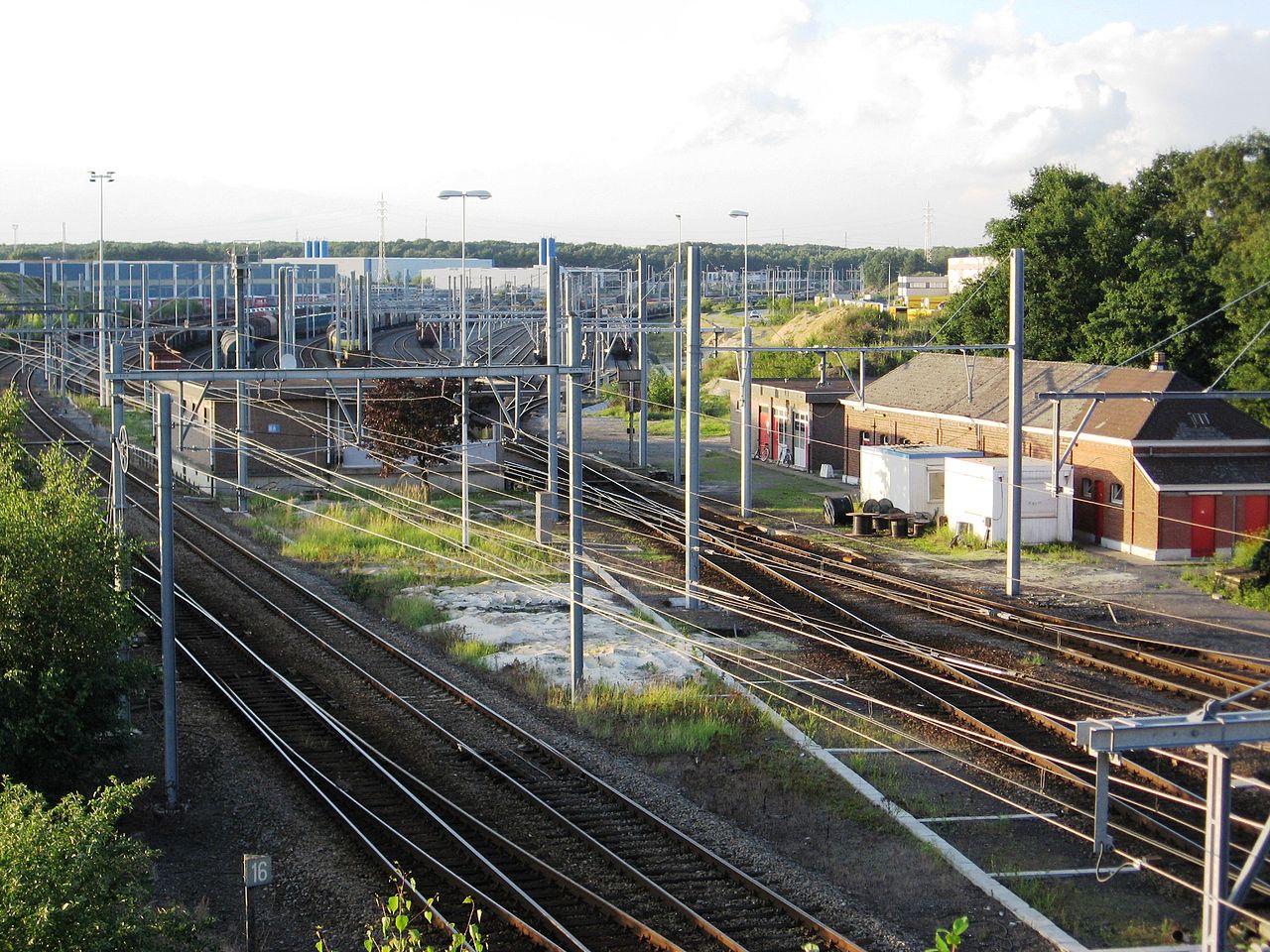
Genk is a regional transport node with links to nearby cities, and the municipality emphasizes sustainable development and cultural programming as part of its long-term planning. Its combination of industrial heritage, parks and contemporary cultural venues makes it a distinctive example of post-industrial regeneration in Belgium.
Related articles
Author
AlegsaOnline.com Genk — city and municipality in Limburg, Belgium Leandro Alegsa
URL: https://en.alegsaonline.com/art/38024
Sources
- statbel.fgov.be : Werkelijke bevolking per gemeente op 1 januari 2007 / Population de droit par commune au 1 janvier 2007 (.xls)
- statbel.fgov.be : Geografische coördinaten van de gemeenten (.xls)