
Generalized Anxiety Disorder (GAD)
Generalized anxiety disorder is a chronic psychiatric condition characterized by persistent, excessive worry about everyday life, accompanied by physical symptoms and functional impairment; treatable with therapy and medication.
Overview
Generalized anxiety disorder (GAD) is a mental health condition defined by persistent, excessive worry about a range of everyday topics—work, health, finances, family and the future—that is difficult to control. The concern is more than normal stress or occasional nervousness: it is continuous, often disproportionate to the actual situation, and it interferes with daily life and decision-making. For a general introduction to anxiety disorders see Anxiety disorders overview.
Image gallery
2 Images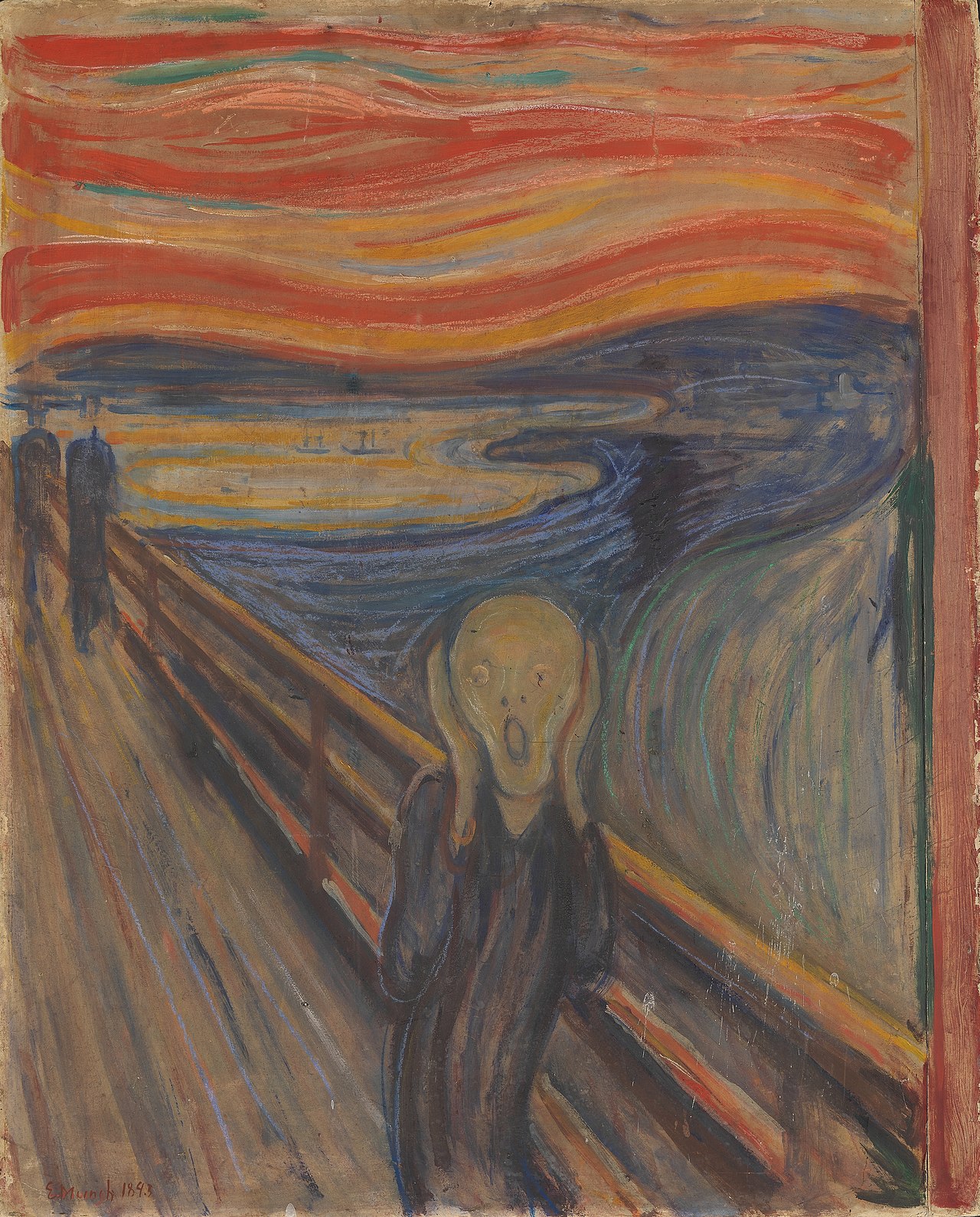

Core symptoms and duration
Diagnostic frameworks emphasize the duration and impact of symptoms. People with GAD commonly experience worry most days for at least six months, along with several of the following additional symptoms:
- Restlessness or feeling keyed up
- Being easily fatigued
- Trouble concentrating or mind going blank
- Irritability
- Muscle tension
- Sleep disturbances (difficulty falling or staying asleep)
Physical signs such as trembling, numbness, sweating or hot flashes may accompany the psychological symptoms. People with GAD often anticipate disasters or interpret ambiguous situations as threatening; for more on common worry patterns see anticipatory anxiety.
Causes and risk factors
GAD likely arises from an interaction of biological, psychological and environmental factors. These can include a family history of anxiety or mood disorders, differences in brain circuits that regulate fear and stress, personality traits such as high neuroticism, and prolonged exposure to stressful life events. Chronic medical illnesses and substance use can also increase risk. Health-related worries are a frequent focus of anxiety; resources about health concerns are available at health-related information.
Diagnosis, course and impact
Diagnosis is clinical: a qualified professional assesses symptoms, duration, and the degree of impairment. GAD often co-occurs with depression and other anxiety disorders, so clinicians consider overlapping conditions when planning treatment. The course can be chronic with fluctuating severity; without treatment, worries and physical symptoms may persist and affect work, relationships and quality of life.
Treatment and self-management
Evidence-based treatments include cognitive-behavioral therapy (CBT) and certain medications such as selective serotonin reuptake inhibitors (SSRIs) or serotonin–norepinephrine reuptake inhibitors (SNRIs). CBT techniques focus on identifying and challenging unhelpful thoughts, learning relaxation and exposure strategies, and improving coping skills. Lifestyle measures—regular exercise, sleep hygiene, limiting caffeine and alcohol—can reduce symptoms. Combining psychotherapy and medication is often more effective for moderate to severe cases.
Prevalence and notable facts
GAD affects millions of people worldwide and is one of the more common anxiety conditions in adults. In the United States, several million adults are estimated to experience GAD at some point, and many do not seek treatment promptly. Early recognition and intervention improve outcomes. For statistical and policy resources see U.S. mental health statistics.
Because symptoms overlap with other disorders and medical conditions, a thorough medical and psychiatric evaluation is important. With appropriate care, most people achieve meaningful reduction in symptoms and better daily functioning.
Related articles
Author
AlegsaOnline.com Generalized Anxiety Disorder (GAD) Leandro Alegsa
URL: https://en.alegsaonline.com/art/37967