
Gene Pitney: American singer-songwriter and pop balladeer
Overview of Gene Pitney (1940–2006), his dramatic tenor voice, Brill Building songwriting, major recordings, international success and legacy in 1960s pop and balladry.
Gene Pitney (Gene Francis Alan Pitney; 17 February 1940 – 5 April 2006) was an American singer, songwriter and recording artist known for a dramatic, high-tenor delivery and a catalogue of narrative pop and rock ballads. Born in Hartford, Connecticut, he rose to prominence in the early 1960s and became a familiar presence on radio and television in both the United States and Europe. Pitney combined a theatrical vocal approach with concise storytelling in his songs, which helped him achieve hits across several countries.
Image gallery
1 Image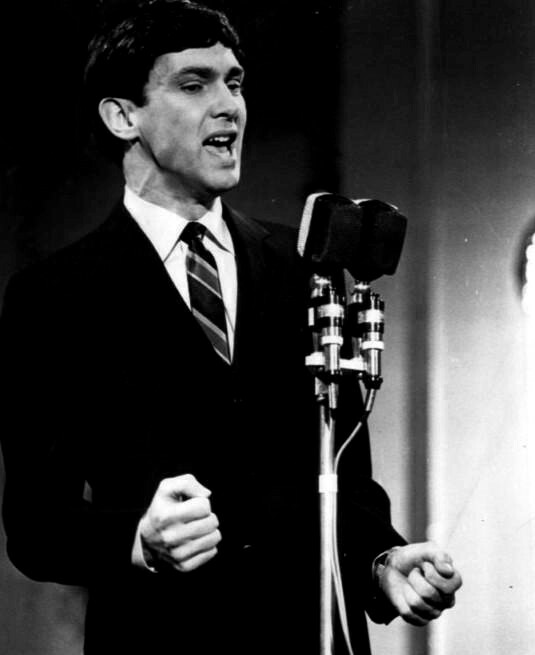
Musical style and songwriting
Pitney's singing was marked by a vivid, emotive tone and precise phrasing that suited melodramatic arrangements and story songs. He worked within the Brill Building–era pop tradition, writing and co-writing material for his own records and for other performers. His compositions often featured clear hooks, cinematic orchestration and lyrical narratives about love and loss. In addition to performing, Pitney contributed songs that broadened his influence beyond his own recordings; his work as a songwriter helped define aspects of early 1960s pop production and repertoire.
Career highlights and notable recordings
Across the 1960s and later decades Pitney placed several singles in international charts and became especially popular in the United Kingdom and continental Europe. His best-known recordings include "Town Without Pity," associated with a film soundtrack and noted for its sweeping arrangement; "Twenty Four Hours From Tulsa," a tightly written pop story-song; "Only Love Can Break a Heart," which showcased his pleading tenor; and the narrative "The Man Who Shot Liberty Valance." These recordings demonstrated his gift for blending dramatic vocal performance with strong melodies. He also wrote songs that other artists recorded successfully, contributing to the wider pop landscape of the era.
International success and live work
Pitney enjoyed enduring popularity overseas, where his records often charted well and where audiences responded strongly to his ballads and stage persona. He toured extensively in the United Kingdom and Europe, maintaining a steady schedule of concerts that reinforced his international following. He continued to record throughout his life, balancing new material with reinterpretations of his classic songs and occasional collaborations with other musicians.
Death and legacy
Gene Pitney died of a heart attack on 5 April 2006 while on tour in the United Kingdom; he passed away in Cardiff. At the time of his death he remained active as a live performer. Pitney is remembered for a distinctive vocal style, strong songwriting instincts and an ability to craft memorable pop narratives. Music historians and fans cite him as a notable figure of 1960s pop for his dual role as both singer and songwriter, and his recordings continue to appear on compilation albums and in retrospectives of the period.
For further study and resources on his recordings, credits and career milestones, consult artist profiles and archival databases: artist profiles, genre archives, biographical summaries, songwriting and credits listings, local history sources for Hartford, contemporary tour reports in the UK, and collections of concert and media listings at UK archives.
Notable facts at a glance:
- Full name: Gene Francis Alan Pitney
- Born: 17 February 1940, Hartford, Connecticut
- Died: 5 April 2006, Cardiff
- Best known for dramatic pop ballads, theatrical tenor delivery and songwriting for other artists
Researchers and fans can locate discographies, contemporary press coverage and archived interviews through specialist music libraries and curated online resources: follow listings and collections via artist profiles, music archives and dedicated career timelines. Song credits and publishing details are often available through databases that compile songwriting information, while local and tour records can be found in regional sources such as Hartford historical pages and UK concert archives.
Related articles
Author
AlegsaOnline.com Gene Pitney: American singer-songwriter and pop balladeer Leandro Alegsa
URL: https://en.alegsaonline.com/art/37919