
Gene Colan: American Comic-Book Artist (1926–2011)
Gene Colan (1926–2011) was an American comic-book artist celebrated for moody, shadow-driven art on Tomb of Dracula and a six-decade career at Marvel and DC.
Eugene "Gene" Jules Colan was an American comic book artist whose work spanned more than sixty years at major publishers. He is best remembered for creating a strong sense of atmosphere and cinematic drama in sequential art, qualities that made series such as Tomb of Dracula stand out in the 1970s. Colan combined loose, fluid figures with bold shadowing to give supernatural and superhero stories a distinctive visual personality.
Image gallery
4 Images


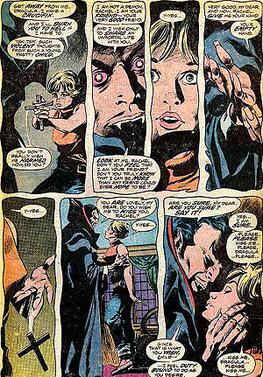
Early life and career beginnings
Colan was born in the Bronx in 1926 to Jewish parents who had emigrated from Germany and adopted the surname Colan. As a young man he served in the U.S. military in the Philippines during World War II, and some of his first published cartoons were military-themed strips printed in the Manila Times. After returning to the United States he entered the commercial comics field, eventually drawing for both DC and Marvel and contributing to a wide range of genres including superheroes, horror, romance and war.
Artistic style and notable works
Colan's pages are often noted for their moody, noir-influenced use of light and shadow. Rather than relying on rigid, photographic realism, he emphasized mood through layered shading, unconventional panel compositions and a loose, expressive line. This approach proved especially effective for horror comics: his run on Tomb of Dracula, frequently created in collaboration with writer Marv Wolfman, is a textbook example of how pencilling can establish tone and suspense.
- Prominent characters: He drew iconic figures such as Batman, Wonder Woman, Iron Man, Captain America and Daredevil over the course of his career.
- Genre range: Colan moved easily between superhero adventure and mood-driven horror, bringing a cinematic sensibility to both.
Collaborations and legacy
Colan worked with many writers and inkers and influenced generations of artists who admired his ability to convey atmosphere and movement. His Tomb of Dracula run helped redefine mainstream horror in American comics, and his varied body of work demonstrated a versatility that allowed him to adapt to changing editorial needs while maintaining a recognizable visual voice. Colan's influence can be seen in later creators who emphasize lighting, composition and a more painterly approach to pencilling.
He continued to produce acclaimed work into the 21st century. Among his late-career honors was an Eisner Award for a Captain America story in 2010, a recognition of both longevity and sustained quality. Colan died in 2011, leaving behind a legacy as one of the most atmospheric and influential American comics artists of his generation.
Selected facts and points of interest:
- He began publishing cartoon work while stationed overseas during wartime and later transitioned to American comic-book work at major publishers.
- Colan's method placed a premium on mood—his shadowing and page design were as important as line work in creating narrative impact.
- Across decades he illustrated some of the industry's best-known characters and helped define the visual language of horror comics.
For further reading on artists with similar influence or to explore Colan's bibliography, consult dedicated comics histories and archival sources that document his long association with both DC and Marvel and his enduring contributions to the medium.
comic book | artist | Batman | Wonder Woman | Iron Man | Captain America | Bronx | Germany | Philippines | World War II | Manila Times
Related articles
Author
AlegsaOnline.com Gene Colan: American Comic-Book Artist (1926–2011) Leandro Alegsa
URL: https://en.alegsaonline.com/art/37904
Sources
- guardian.co.uk : "Gene Colan obituary"
- worldcat.org : 0261-3077
- worldcat.org : 60623878