
Anarkali Bazaar
Historic market in Lahore, Pakistan, known for its centuries-old origins, dense lanes of textile and bridal shops, street food, and connection to the Mughal-era Anarkali legend.
Overview
Anarkali Bazaar is one of the oldest and best-known traditional markets in Lahore. Located in the city's older quarter, it is a dense cluster of narrow streets and small shops that serves residents and visitors with a wide range of goods, from everyday items to elaborate bridal wear. The bazaar is closely associated with the cultural life of Lahore and is a familiar destination for shoppers across Pakistan.
Image gallery
5 Images



Location and layout
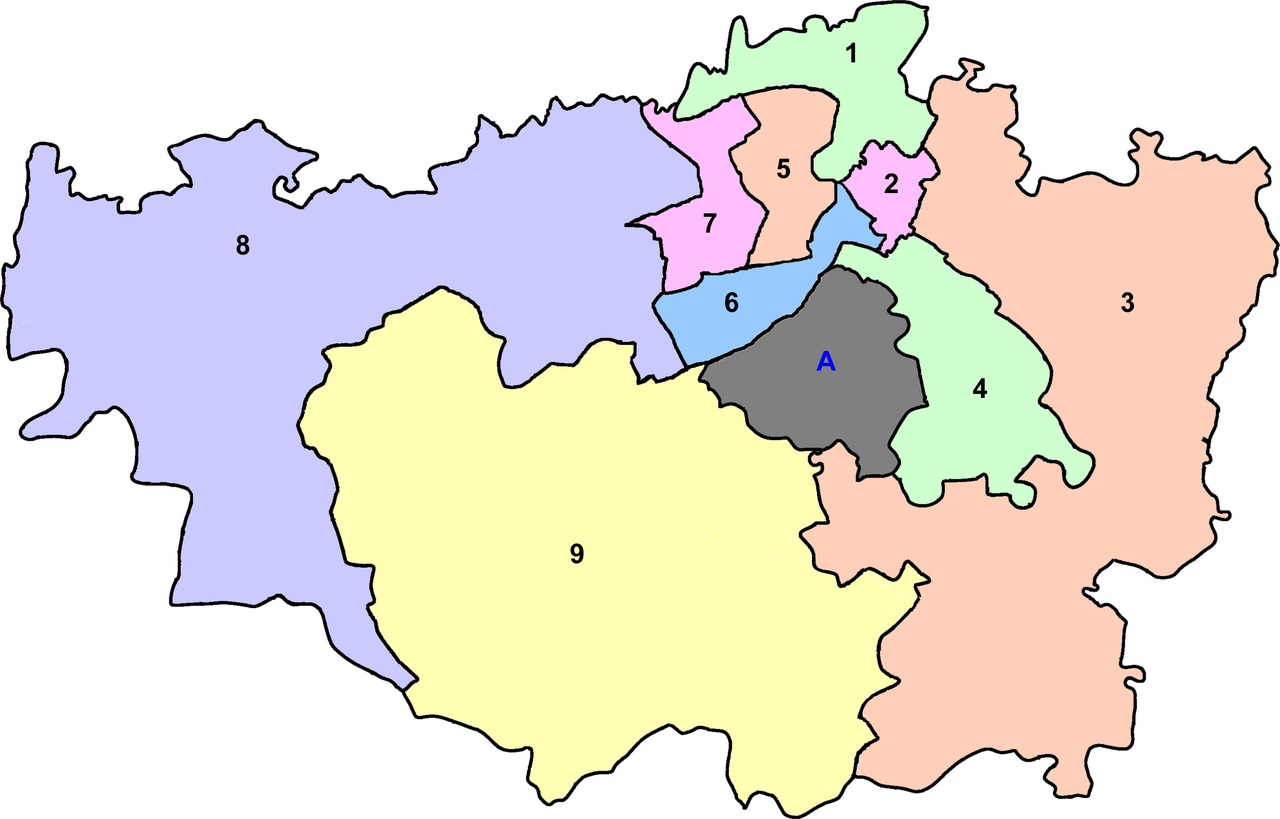
The market occupies several intersecting lanes rather than a single building; stalls and permanent shops line the alleys, creating an informal but well-known shopping district. Its compact layout encourages pedestrian traffic and bargaining; shopkeepers often specialize by product, creating pockets of similar trades within the broader bazaar.
History and name
The bazaar's roots reach back into the period of Mughal and later pre‑colonial urban development, evolving over centuries into a commercial hub. Its name recalls the figure of Anarkali, a woman from local legend whose story has been associated with the Mughal court; a nearby Mughal‑era tomb has long been traditionally linked to that name, and the market took on the same identity in local memory.
Goods, services and atmosphere
Shops in Anarkali Bazaar typically sell textiles, ready-to-wear and bespoke clothing, bridal trousseau items, jewelry, traditional footwear, embroidery and tailoring services. Street vendors and eateries add a strong food element—snacks and local dishes are commonly available. Typical categories include:
- Fabrics and dress materials
- Bridal and formal wear, including embellishments
- Jewelry and accessories
- Tailoring and alteration services
- Street food stalls and small restaurants
Cultural importance and visiting tips
Beyond commerce, the bazaar functions as a social space where festivals and seasonal shopping (such as before Eid) become lively affairs. Visitors should expect crowded lanes, active bargaining, and a rich sensory experience of colors and aromas. Practical considerations include carrying cash in small denominations and allowing time to compare prices and styles among many nearby shops.
Notable facts
Anarkali Bazaar remains a living example of South Asian urban market traditions: it blends old patterns of specialized trade with modern consumer demands. Its long history and popular associations make it both a shopping destination and a point of interest for those exploring Lahore's urban and cultural heritage.
Related articles
Author
AlegsaOnline.com Anarkali Bazaar Leandro Alegsa
URL: https://en.alegsaonline.com/art/3787