
Gargas, Vaucluse
Gargas is a small rural commune in Vaucluse, Provence-Alpes-Côte d'Azur, southern France. It had 196 inhabitants in 1999 and exemplifies Provençal village life, agriculture and low‑scale tourism.
Overview
Gargas is a small rural commune in the Vaucluse department, within the Provence-Alpes-Côte d'Azur region of southern France. According to the 1999 census the village had 196 inhabitants, a figure that illustrates its modest size and typical status among the many small settlements of the Provençal countryside.
Image gallery
2 Images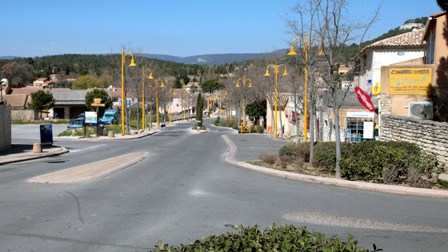

Geography and landscape
Gargas sits in a landscape of low hills, cultivated fields and patches of Mediterranean scrub. The climate is typically Mediterranean with warm, dry summers and mild winters, which supports vineyards, olive trees, lavender and other crops associated with Provençal agriculture. The built environment commonly features stone houses, narrow lanes and a compact village centre surrounded by agricultural land and small woodlands.
Administration and demography
As a French commune, Gargas has a municipal council and mayor who manage local affairs; small communes often participate in intercommunal structures for services such as waste management, schools and infrastructure. Demographically, villages like Gargas may show slow change in population and rely on nearby towns for some public services and commercial needs.
Economy, culture and tourism
The local economy is principally agricultural, complemented by small‑scale tourism. Visitors come for rural scenery, local food, markets and walking or cycling through Provençal lanes. Cultural life reflects regional traditions: seasonal festivals, local markets and culinary specialities tied to the land. Gargas provides an experience of quiet village life rather than large tourist facilities.
Visiting and practical information
- Enjoy village architecture and peaceful countryside walks.
- Sample regional produce and visit local markets and wine producers.
- Use the commune and departmental portals for current administrative and visitor information; municipal pages and regional guides provide maps, contact details and up‑to‑date figures.
For administrative, statistical or tourist updates consult official municipal and departmental resources linked through local portals and regional tourism sites.
Related articles
Author
AlegsaOnline.com Gargas, Vaucluse Leandro Alegsa
URL: https://en.alegsaonline.com/art/37578