
Sahibzada Sir Abdul Qayyum Khan — Pashtun educationist and NWFP statesman
Pashtun educator and politician (1863–1937), founder of Islamia College Peshawar and brief Chief Minister of the North-West Frontier Province. Key figure in promoting modern Muslim education in British India.
Sahibzada Sir Abdul Qayyum Khan (1863 – December 1937) was a prominent Pashtun educationist and political leader in British India. He is best known for founding Islamia College, Peshawar, and for his role in advancing modern education for Muslims of the North-West Frontier region. His approach combined religious instruction with contemporary subjects and followed the spirit of the Aligarh movement.
Image gallery
2 Images
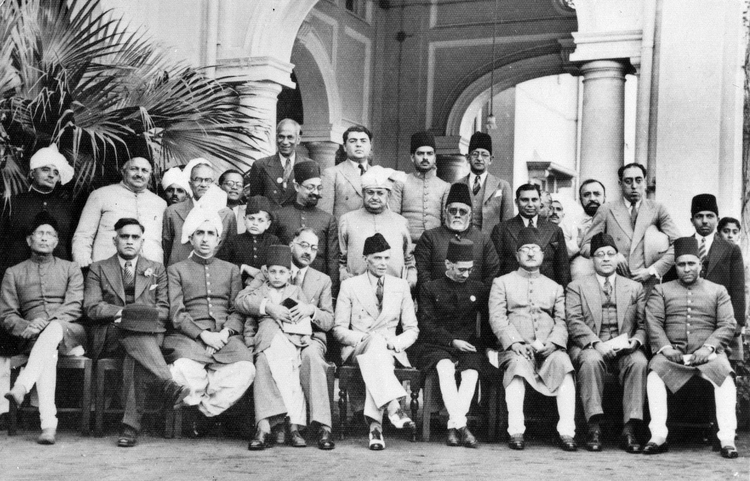
Overview and aims
Qayyum sought to bridge traditional Islamic learning and Western-style education so that Muslim youth could engage effectively with administrative, technical and intellectual challenges of the time. Influenced by the ideas of Muslim modernizers, he promoted institutions that would produce both scholars and practical professionals. His educational program emphasized character-building, religious identity and employable skills.
Founding of Islamia College
His most enduring achievement was the establishment of Islamia College in Peshawar, an initiative modeled on the reforms advocated by Sir Syed Ahmed Khan. The college opened to serve the educational needs of Muslims in the frontier region and became a regional center for secondary and higher learning. Over time it attracted students from diverse localities and helped form an educated class that participated in social and public life.
Political activity and public service
In addition to educational work, Abdul Qayyum was active in provincial politics. He served in various public roles and briefly held the office of Chief Minister of the North-West Frontier Province in 1936–1937. His career combined collaboration with colonial administrative structures and advocacy for local development. For further biographical context see biographical sources.
Legacy and significance
Qayyum’s legacy rests largely on institution-building. Islamia College became a prominent institution in the region and contributed to the emergence of leaders in public life, education and administration. His efforts are often cited as an example of how regional notables adapted broader Muslim educational reforms to local needs.
Notable facts and distinctions
- He held the honorific title "Sir," reflecting recognition by British authorities.
- He implemented a model of education that sought balance between religious studies and modern curricula, drawing on the example of Sir Syed and the Aligarh movement.
- His foundation of Islamia College, Peshawar (the college) remains a central element of his public memory and influence.
Abdul Qayyum Khan’s work illustrates how local leaders in British India engaged with educational reform as a means of social uplift and political participation. His institutions and initiatives continued to shape the intellectual life of the northwest long after his death in late 1937.
Related articles
Author
AlegsaOnline.com Sahibzada Sir Abdul Qayyum Khan — Pashtun educationist and NWFP statesman Leandro Alegsa
URL: https://en.alegsaonline.com/art/373