
Freediving (Apnea): Breath-hold diving, disciplines, techniques and safety
Freediving—also called apnea—is underwater diving on a single breath. This article explains its forms, physiology, history, equipment, safety concerns and common uses, from recreation to competition.
Freediving, often called apnea, is the practice of descending beneath the surface of the water while holding one's breath rather than using a self-contained breathing device. It ranges from short, shallow dives for recreation to extreme competitive disciplines in which athletes descend very deep or cover long horizontal distances on a single breath. Freediving relies on breath control, relaxation, efficient technique and an understanding of how the body responds to pressure and low oxygen.
Image gallery
10 Images


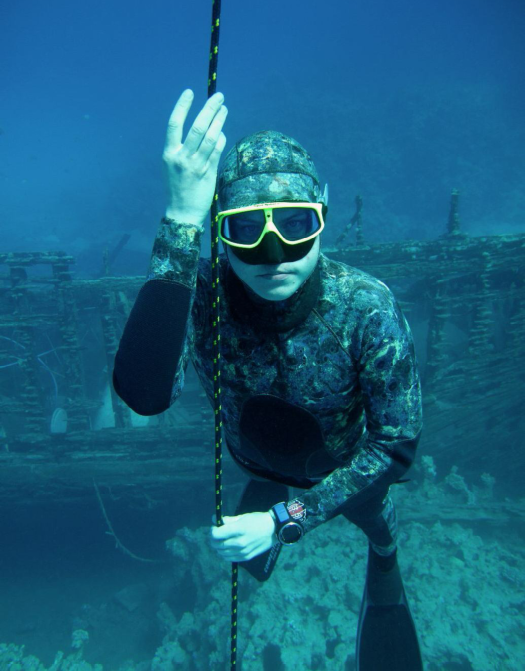


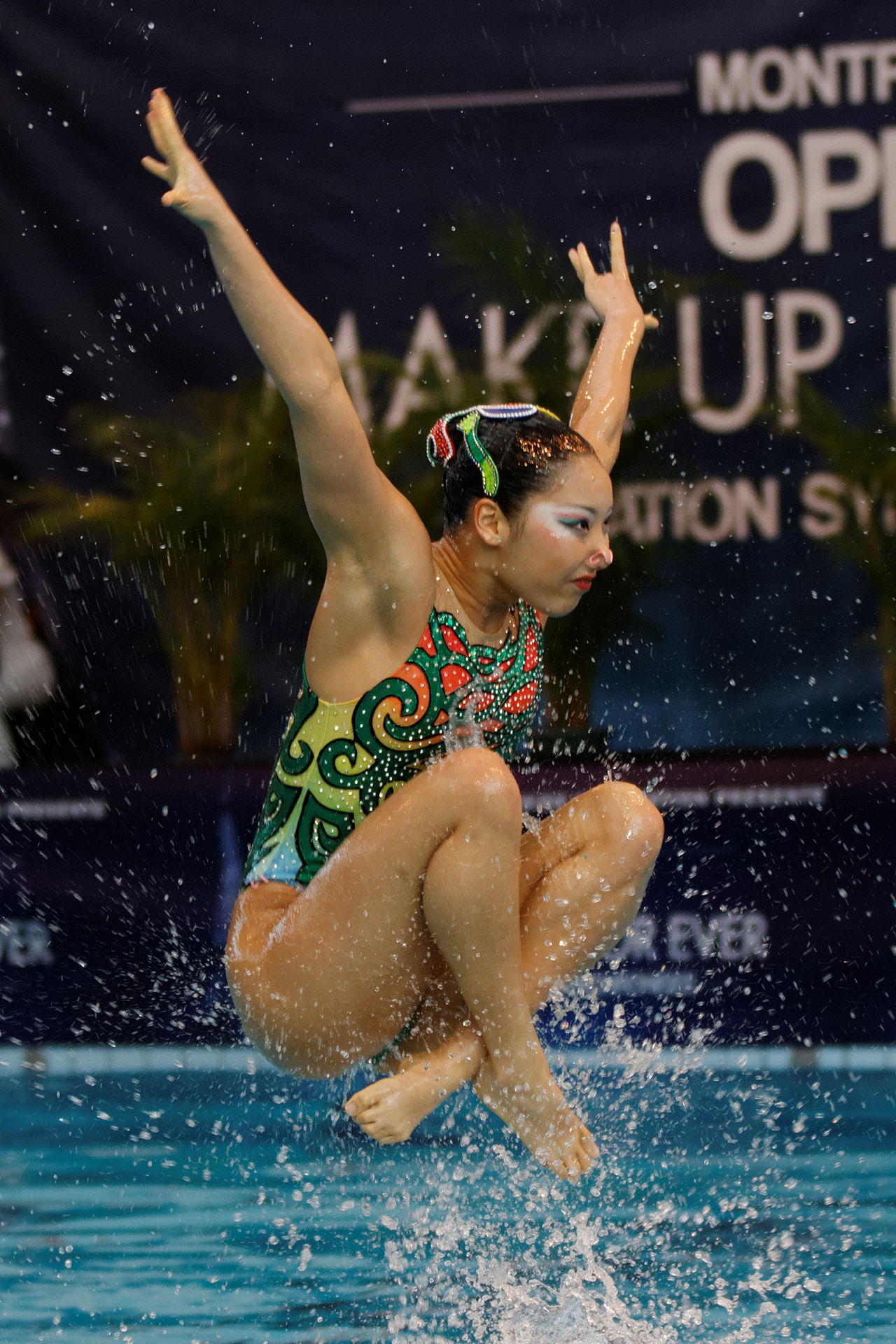
Common disciplines and forms
- Recreational freediving — swimming and exploring reefs or wrecks while holding the breath for brief periods.
- Static apnea — lying still at the surface while maximizing breath-hold time (a competitive discipline focused on duration).
- Dynamic apnea — horizontal underwater swimming for distance, typically in a pool.
- Depth disciplines — vertical dives where athletes descend and return on one breath; variations include fin-assisted, free immersion (pulling on a line), and variable/no‑limits configurations used historically for record attempts.
- Traditional breath‑hold diving — working forms such as spearfishing, pearl diving and subsistence gathering found in many coastal cultures.
These categories separate competitive events from practical or commercial breath‑hold diving. Equipment is minimal: mask, snorkel for surface breathing, fins, wetsuit and often a weight belt and lanyard for safety in depth disciplines.
Physiology, techniques and training
Freediving training emphasizes efficient oxygen use, relaxation, and managing the physiological responses to immersion. The mammalian dive reflex — a set of cardiovascular and metabolic changes triggered by facial immersion and breath‑hold — helps conserve oxygen by slowing heart rate and redirecting blood flow to vital organs. Divers also practice equalization techniques to manage pressure changes in the ears and sinuses. Breath‑up routines, diaphragmatic breathing, and progressive exposure build tolerance; however, trained breath-holds remain limited by rising carbon dioxide and falling oxygen levels.
Safety considerations
Safety is a central concern. The greatest hazards are hypoxic loss of consciousness (shallow‑water blackout) and barotrauma from improper equalization. Freediving is usually practiced with a trained buddy or professional supervision, use of surface attendants, and conservative depth/time limits. Competitive and instructional organizations publish safety protocols and often require rescue skills and lifeguard presence for formal events.
History, uses and cultural context
Breath‑hold diving has ancient roots: coastal communities around the world harvested shellfish, pearls and fish long before modern equipment existed. In the 20th century, recreational and competitive freediving crystallized into organized sport, with international bodies overseeing rules and record verification. Today freediving serves several purposes: a recreational way to explore the underwater environment, a specialized sport with timed and depth events, a tool for underwater photography and filmmaking, a method for subsistence and small‑scale fisheries, and a component of military and scientific operations where silent or gas‑free diving is advantageous.
For those interested in learning, formal instruction, conservative progression, and practice with experienced partners are essential. Organizations and training centers offer courses that teach technique, safety and rescue. For further reading and resources, see safe freediving guidance and organizations.
Related articles
Author
AlegsaOnline.com Freediving (Apnea): Breath-hold diving, disciplines, techniques and safety Leandro Alegsa
URL: https://en.alegsaonline.com/art/36486
Sources
- freedive.net : Freediving:How to Get Started