
Free kick: rules, types, history and tactical use in ball sports
A free kick restarts play after an infringement in many ball sports. This article summarizes types (direct and indirect), procedures, tactical roles, historical origins and distinctions from other set pieces.
A free kick is a method of restarting play awarded to a team after an opponent commits an offence. The term appears across several ball sports but is most familiar from association football (soccer), where it is an important set piece for both creating scoring chances and controlling tempo. Broadly, a free kick allows the fouled side to resume play from a stationary ball with protections that prevent immediate challenge from opponents.
Image gallery
7 Images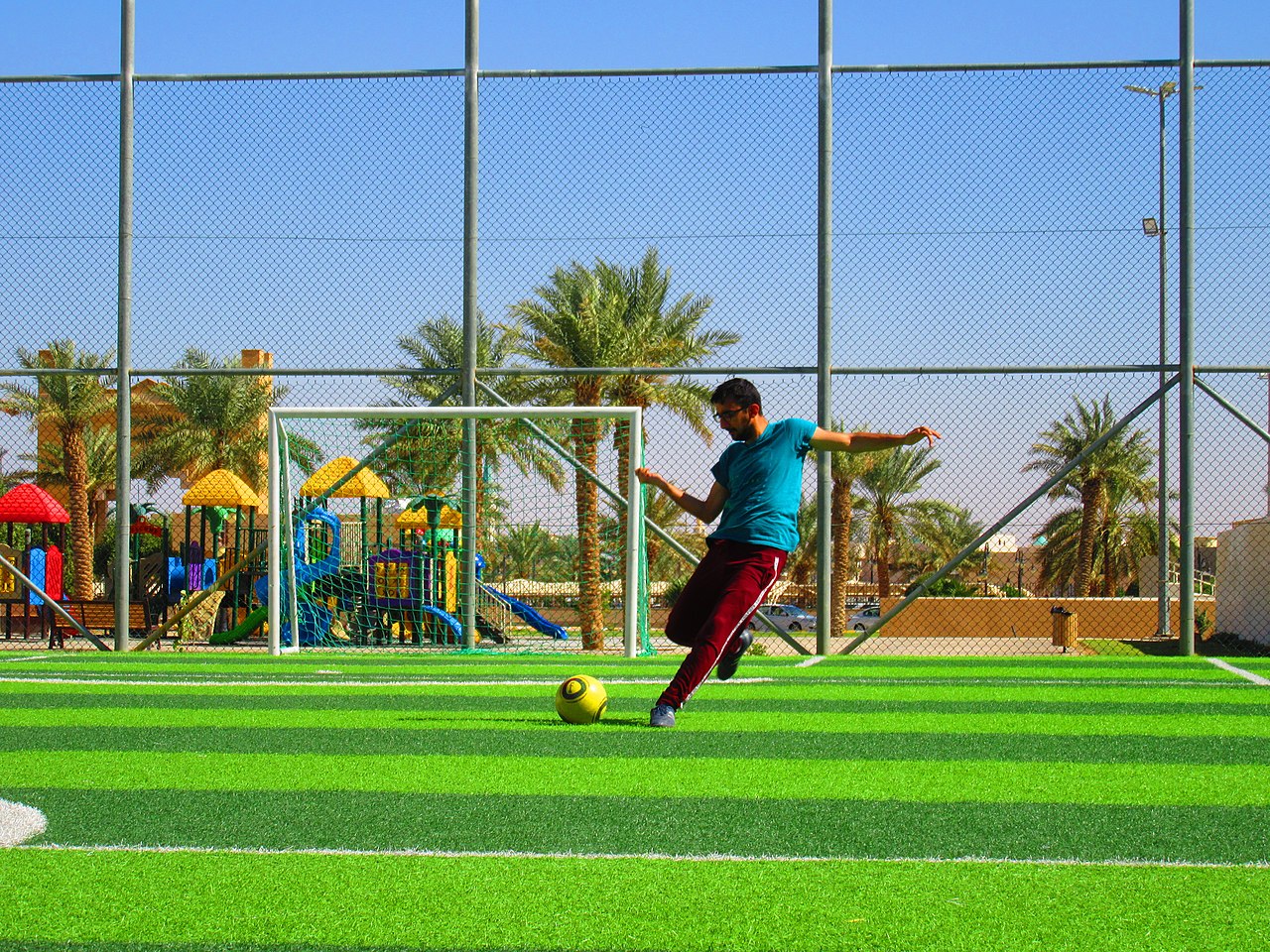


Types and basic characteristics
- Direct free kick: can result directly in a goal if the ball is kicked into the target without another player touching it.
- Indirect free kick: requires another player to touch the ball before a goal can be awarded; referees signal this by raising an arm until the kick is taken and the second touch occurs.
- Distance and position: in many codes of football opponents must remain a set distance (commonly ten yards / 9.15 m in association football) from the ball until it is kicked; the kick is usually taken from the spot of the infringement.
- Quick free kick: the fouled team may take the kick quickly in some circumstances to exploit disorganisation, provided the referee has not ordered a specific restart.
Procedure and officiating
Play resumes when the ball is stationary and the kick is taken. Encroachment or unsporting behaviour can lead to the kick being retaken, a disciplinary sanction, or a caution. Referees may play advantage and withhold the whistle if the fouled team immediately benefits; if advantage fails they revert to the original free kick. Fouls inside the penalty area often produce a penalty kick rather than a free kick.
Tactical importance
Free kicks are rehearsed set plays. Teams practise a variety of routines: curled shots over or around a defensive wall, driven low strikes, "knuckle" shots with little spin, short passing combinations to create space, and coordinated runs to distract defenders. Specialist takers develop accuracy, power and variety; quick frees are used to catch an opponent unprepared and keep momentum.
History and variations
The free kick concept emerged with the codification of team ball games in the 19th century to penalise fouls while allowing continuous play. Variants exist in other sports: rugby awards free kicks for technical offences, and other football codes have distinct restart procedures and tactical uses. Penalty kicks, corners and throw-ins remain separate set pieces with their own rules and strategic roles.
Related articles
Author
AlegsaOnline.com Free kick: rules, types, history and tactical use in ball sports Leandro Alegsa
URL: https://en.alegsaonline.com/art/36460