
Fredericksburg, Virginia: history, geography and cultural significance
Fredericksburg, an independent city in Virginia on the Rappahannock River, is known for its colonial roots, major Civil War battles, preserved historic district, and modern role as a regional cultural and educational center.
Overview
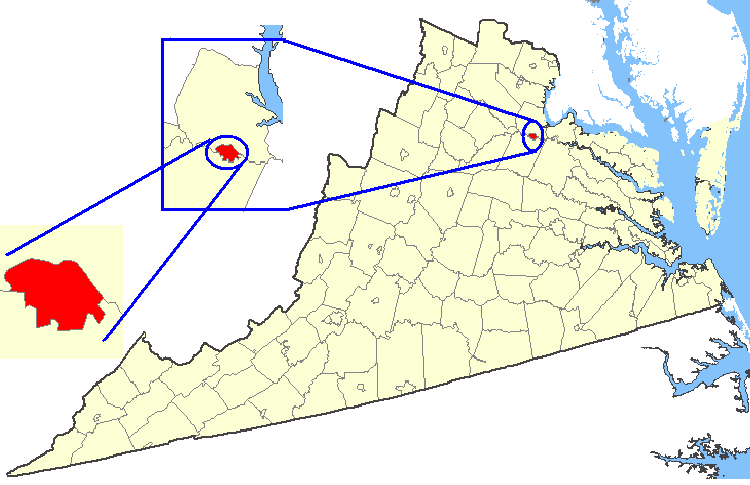
Fredericksburg is an independent city in Virginia in the United States. It sits on the south bank of the Rappahannock River, roughly between the national capital and the state capital, and has long served as a commercial, transportation and strategic crossroads. The compact downtown features a mix of preserved 18th- and 19th-century buildings, museums, and shops that draw visitors and support a local economy centered on tourism, education and small business.
Image gallery
10 Images




Geography and built environment
The city's riverfront location shaped its development as a colonial port and later as a crossing point for roads and rail. Narrow streets in the historic district, surviving brick townhouses and public buildings create a well-defined core that contrasts with surrounding suburban neighborhoods. Parkland and battlefields lie within a short drive, and bridges over the Rappahannock link Fredericksburg to neighboring counties and commuting routes toward Washington, D.C. and Richmond.
History
Founded in the early 18th century and named for Frederick, Prince of Wales, Fredericksburg grew as a market and shipping center for the surrounding agricultural region. Its location made it important during several conflicts. In the 19th century the city and its approaches became strategically significant in the American Civil War, both for river crossings and access between the northern and southern capitals.
One of the best-known events is the Battle of Fredericksburg, fought in December 1862. That battle, fought on approaches to the town and on nearby heights, involved large troop movements and costly frontal assaults that have been studied as examples of the difficulties of Civil War-era offensive operations. The memory of the fighting is preserved at nearby national and state parks and on marked historic properties.
Modern role and culture
Today Fredericksburg combines historic preservation with contemporary growth. A regional university and a collection of museums and historic houses contribute to educational and cultural life. Local festivals, walking tours, and heritage events highlight colonial and Civil War-era stories while independent restaurants, galleries and retailers serve year-round residents and visitors from the greater metropolitan area, including those commuting toward Richmond and Washington.
Notable sites and visitor information
- Historic downtown district with preserved 18th- and 19th-century architecture and interpretive exhibits.
- Battlefields and memorials that are part of broader preservation efforts and park units.
- Educational and cultural institutions that host lectures, reenactments and public programs.
For readers seeking further detail, local historic societies, municipal resources and national park materials provide maps, timelines and guidance for visiting key sites and learning about Fredericksburg's layered past and present.
Related articles
Author
AlegsaOnline.com Fredericksburg, Virginia: history, geography and cultural significance Leandro Alegsa
URL: https://en.alegsaonline.com/art/36437
Sources
- factfinder2.census.gov : "Geographic Identifiers: 2010 Demographic Profile Data (G001): Fredericksburg city, Virginia" · archive.is
- census.gov : census.gov
- factfinder.census.gov : "American FactFinder"
- geonames.usgs.gov : "US Board on Geographic Names"