
Frankenchrist — Dead Kennedys album and 1980s obscenity controversy
Frankenchrist is the third studio album by American punk band Dead Kennedys (1985). It became notable for including an H. R. Giger poster and prompting a high‑profile legal dispute over alleged obscenity and censorship.
Frankenchrist is the third studio album by the American hardcore punk band Dead Kennedys, released in October 1985. The record continued the group's aggressive, satirical approach to songwriting and performance within the hardcore punk milieu: short, direct songs with biting political commentary, urgent guitars and confrontational vocals. Musically it mixes punk speed and sarcasm with occasional experimental touches and varied arrangements. The album is remembered both for its music and for a visual controversy that followed its release; it remains a frequently cited instance of clashes between popular culture and community standards.
Image gallery
1 Image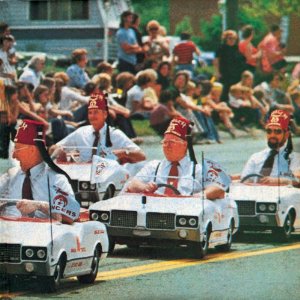
Musical style and themes
The tracks on Frankenchrist address themes common in the band's work: political hypocrisy, media manipulation, consumerism and the absurdities of modern life. Lyrics employ satire and dark humor to critique institutions and social norms. Instrumentation emphasizes distorted guitar tones, fast tempos and a propulsive rhythm section, while vocal delivery is direct and often sarcastic. Critics noted that the band maintained a strong sense of purpose and identity even as they experimented with pacing and dynamics on several songs.
Artwork and the inserted poster
The album's original packaging included a large poster reproduction of a painting by Swiss artist H. R. Giger titled "Landscape #XX" (commonly referred to as "Penis Landscape"). The image depicts stylized genital forms arranged in a patterned composition; its explicit nature prompted immediate complaints when the record circulated. The presence of the poster became the central focus of public debate about artistic intent, taste, and what constitutes harmful material for young people. Discussions about the poster often connect to broader histories of explicit imagery in visual art, including representations of male and female anatomy such as penises and vulvae, and to questions about context when presenting provocative work.
Legal action and consequences
The inclusion of the Giger poster led to legal action against the band's lead singer and the independent label that released the album. Authorities pursued charges related to the distribution of material deemed harmful to minors. The prosecution and ensuing publicity placed substantial financial and organizational strain on the label, which faced legal costs and public scrutiny. The principal defendant was ultimately not convicted; nonetheless, the proceedings are remembered for highlighting tensions between community standards, local law enforcement, free‑speech advocates and creators in the 1980s.
Reception and legacy
At the time and in retrospective accounts, reaction to Frankenchrist balanced attention to the music with commentary about the controversy. Some reviewers praised the album's lyrical sharpness and sustained energy, while others observed that the dispute over the poster overshadowed public engagement with the record itself. Reference works and music guides have given the album moderate to strong assessments of its artistic value and noted its cultural significance beyond sales or chart placement. The legal episode associated with Frankenchrist is frequently cited in discussions of censorship, the regulation of popular culture and the political dimensions of punk in the United States.
Notable facts
- Frankenchrist is the third studio album by Dead Kennedys and dates from October 1985.
- The controversial image was a published painting by H. R. Giger, often called "Penis Landscape."
- The legal case that followed raised enduring questions about obscenity law, artistic intent and distribution to minors.
- The episode had a lasting effect on conversations about punk, independent labels and censorship in popular music.
For more on the band and the album's place in punk history see resources linked to the band's origins and discography (album pages, band history) and broader introductions to the genre (hardcore punk context). Further reading on the artist and the artwork can be found via surveys of H. R. Giger's work and studies of explicit imagery in visual culture.
Related articles
Author
AlegsaOnline.com Frankenchrist — Dead Kennedys album and 1980s obscenity controversy Leandro Alegsa
URL: https://en.alegsaonline.com/art/36207
Sources
- allmusic.com : "Dead Kennedys - Frankenchrist"