
Frankenstein's monster: character, creation, and cultural legacy
An encyclopedic overview of Frankenstein's monster — the nameless being created by Victor Frankenstein in Mary Shelley's novel, its characteristics, themes, cultural impact, and common misconceptions.
Overview
Frankenstein's monster is the central created being in Mary Shelley’s 1818 novel Frankenstein; or, The Modern Prometheus. Often called simply "the creature," it is the outcome of Victor Frankenstein’s experiments and serves as a focal point for questions about creation, responsibility and human prejudice. In Shelley's original narrative the creature is articulate, thoughtful and capable of learning; later portrayals in film and popular culture have transformed the figure into a more monstrous, often mute icon.
Image gallery
10 Images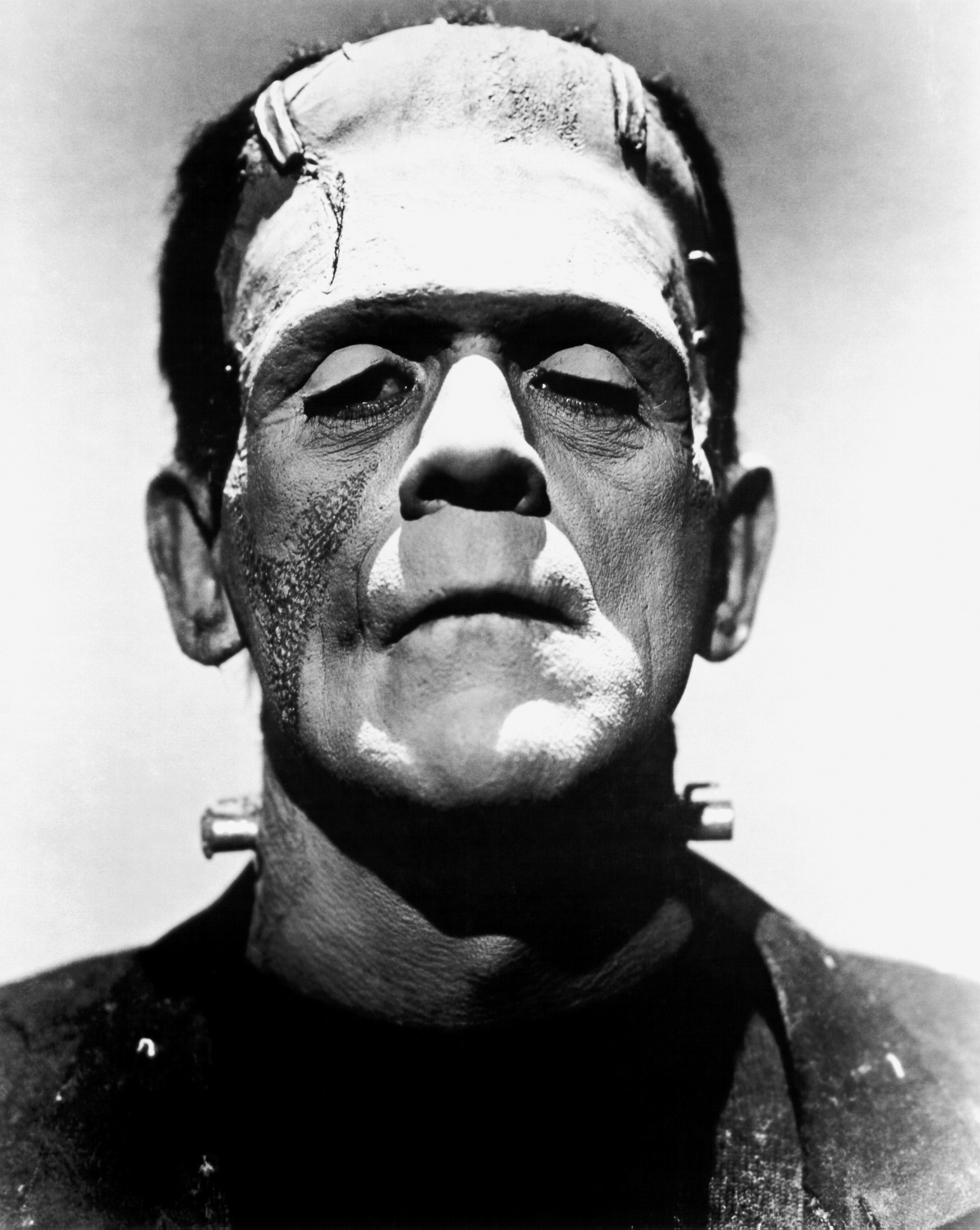


Creation and character
In the novel Victor Frankenstein assembles a body from parts taken from graves and other sources and brings it to life by means that Shelley allows to remain ambiguous, though contemporary readers frequently associate the method with galvanism and emerging electrical science. Shelley's creature awakens with consciousness, language acquisition and deep emotions. He educates himself by observing people, learning to read and speak, and by studying literature. His intelligence and sensitivity contrast with his physical appearance, which prompts fear and rejection from humans.
Novel, naming and common misnomer
Mary Shelley never gives the creature a personal name; "Frankenstein" refers to its maker, Victor Frankenstein. Over time the public has often applied the name "Frankenstein" to the creature itself. The novel contains extended sections in which the monster narrates his own experience, explaining how isolation, cruelty and denied companionship lead him to violence. A critical episode involves his demand that Victor create a female companion; Victor initially agrees and then destroys the unfinished partner, further fueling the creature’s despair.
Themes and cultural impact
Shelley’s story explores scientific ambition, ethical responsibility toward created beings, social exclusion, and what it means to be human. Since its publication the novel has been influential across genres and media: it helped shape early science fiction, inspired stage adaptations and numerous films, and became a touchstone in debates about science and morality. Popular images — bolts in the neck, green skin, a flat head — derive largely from 20th‑century film adaptations, which simplified the novel’s more nuanced portrayal.
Notable distinctions and examples
Key distinctions to bear in mind: the creature in the book is literate and emotionally complex, unlike many later cinematic versions; "Frankenstein" is the creator’s name, not the creature’s; and Shelley’s work mixes Gothic romance with proto‑science fiction concerns. Examples of notable adaptations include stage and silent‑era films, classic horror cinema that reshaped the monster’s look and demeanor, and modern retellings that return to the novel’s ethical questions.
Further reading and sources
- Primary text and editions — consult scholarly editions for authoritative notes.
- About Mary Shelley — biographical context clarifies the novel’s origins.
- Study guides — summaries and chapter analyses aid comprehension.
- Historical background — early 19th‑century science and cultural currents.
- Character studies — criticism focused on Victor Frankenstein.
- Cultural adaptations — film and theatre histories showing visual evolution.
- Scientific context — discussions of galvanism and contemporary experiments.
- Ethical discussions — modern debates about creation and responsibility.
For concise introductions consult general literary surveys and reputable critical editions; for deeper study, look for scholarly essays and annotated volumes that trace the novel’s publication history and reception.
Questions and answers
Q: Who is Frankenstein's monster and where did he originate from?
A: Frankenstein's monster is a fictional character from Mary Shelley's 1818 novel Frankenstein; or, The Modern Prometheus.
Q: Who created Frankenstein's monster in the novel?
A: Victor Frankenstein created Frankenstein's monster in the novel.
Q: What is the monster's name in popular culture and how is it sometimes referred to?
A: The monster doesn't have a name in popular culture, but it's sometimes called "creature", "monster", "fiend", "wretch", "vile insect", "daemon", "being", and "it".
Q: Where did Victor Frankenstein create the creature?
A: Victor Frankenstein created the creature in the upstairs room of his apartment at the University of Ingolstadt.
Q: How did Victor Frankenstein create the creature?
A: Victor Frankenstein created the creature by putting together body parts from graveyards and butcher shops. He used a method involving chemistry and galvanism that is not clearly explained to make the creature come alive.
Q: What was Victor Frankenstein's reaction after the creature came to life?
A: Victor Frankenstein left the creature in horror the minute it came alive and left his apartment in the middle of the night.
Q: What happens to the creature after it comes to life?
A: The creature leaves Victor's apartment in the middle of the night after coming to life.
Related articles
Author
AlegsaOnline.com Frankenstein's monster: character, creation, and cultural legacy Leandro Alegsa
URL: https://en.alegsaonline.com/art/36215