
Forough Farrokhzad — Iranian poet, filmmaker, and modernist voice
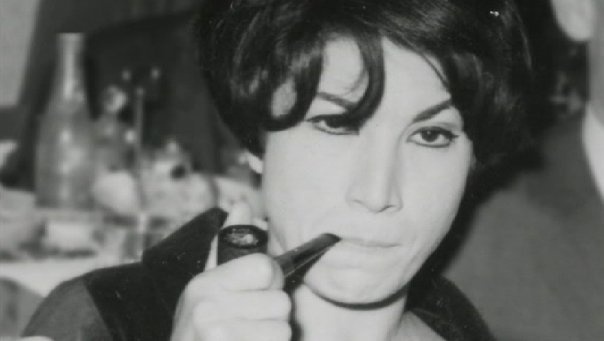
Forough Farrokhzad (1935–1967) was an influential Iranian poet and documentary filmmaker whose candid modernist verse and film reshaped Persian literature and inspired later generations.
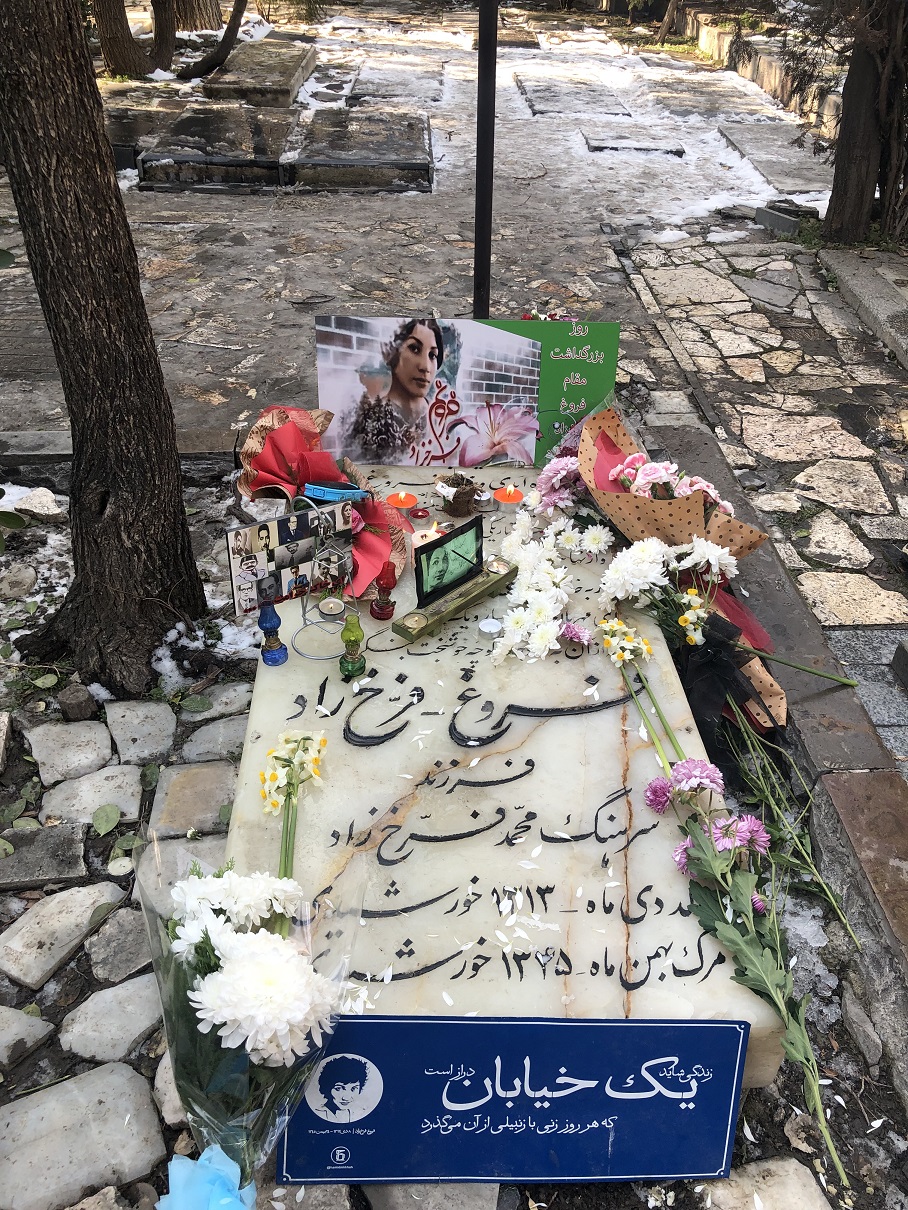
Forough Farrokhzad (born January 5, 1935; died February 13, 1967) was a major figure in twentieth‑century Persian literature. Writing in a direct, often uncompromising voice, she introduced new subject matter and personal candour into modern Persian poetry. Her life in Tehran and her premature death in a car accident contributed to a public image of both creative daring and tragic brevity.
Image gallery
6 Images



Style and major works
Farrokhzad moved away from formal classical meters toward free verse and conversational diction. Her poetry treats love, identity, motherhood, social constraint and mortality with vivid imagery and frank emotion. Notable collections include early books often translated as The Captive and The Wall, and the influential 1964 collection commonly known in English as Another Birth. She also wrote and narrated a short documentary film that mixed poetic reflection with social observation.
Life and development
Born and raised in Tehran, Farrokhzad began publishing as a young woman and attracted both praise and controversy for the perceived boldness of her themes. She experienced marriage and separation and worked with contemporaries in Iran’s literary and artistic circles. In the early 1960s she expanded into cinema, applying her poetic sensibility to documentary filmmaking.
Film, translation and reception
Her documentary work—most famously a short film about a leper colony—received international attention and remains part of her lasting reputation. Her poems have been translated into many languages; English translations, including a noted 2006 selection, helped introduce her to new readers and scholars. Critics and readers continue to debate her role as a feminist precursor, an innovator of modern Persian verse, and a cultural icon who challenged social norms.
Legacy
Farrokhzad is widely taught and celebrated in Iran and abroad. Her influence appears in contemporary Persian poetry, feminist readings of Iranian literature, and in film studies examining poetic documentary. Her life and work remain subjects of biographies, translations and artistic tribute.
Further reading
- Biographical overview
- Chronology and dates
- Obituary and accounts of her death
- Critical essays
- Persian-language sources
- Context in Iranian literature
- Selected poems in original Persian
- Tehran and cultural setting
- Accounts of her film work
- English translations and translators
- Academic studies and bibliographies
Related articles
Author
AlegsaOnline.com Forough Farrokhzad — Iranian poet, filmmaker, and modernist voice Leandro Alegsa
URL: https://en.alegsaonline.com/art/35706