
Forestry Commission (United Kingdom)
The Forestry Commission is the UK public body responsible for managing and protecting much of Great Britain’s public forests, promoting sustainable forestry, timber production, biodiversity and public access.
Overview
The Forestry Commission is the principal public organisation historically charged with the stewardship of large areas of public forest and woodland in Great Britain. Created in the aftermath of the First World War to strengthen national timber supplies and improve land use, the body has long combined commercial management with conservation, scientific research and provision for recreation.
Image gallery
5 Images


Roles and activities
The Commission's work spans several aims: growing and harvesting timber, maintaining and restoring native woodlands, protecting forest health, and increasing the value of forests for people and the environment. Its activities include long‑term planning for tree planting, selective felling and replanting, pest and disease monitoring, and research into growth, resilience and silviculture.
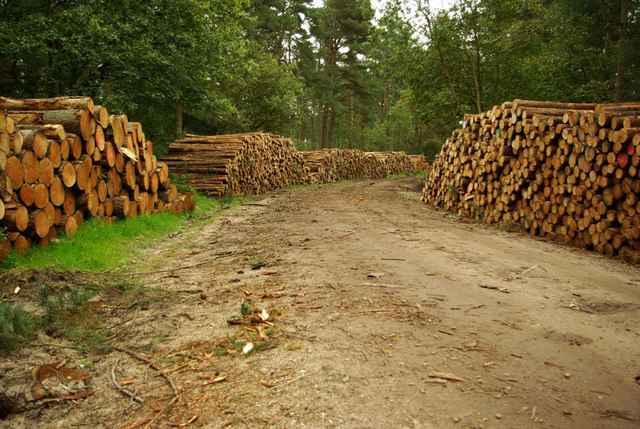
- Commercial forestry and timber supply, including conifer plantations and managed woodlands.
- Biodiversity and habitat management to support wildlife and native species.
- Public access, recreation and education, with trails, visitor centres and outreach.
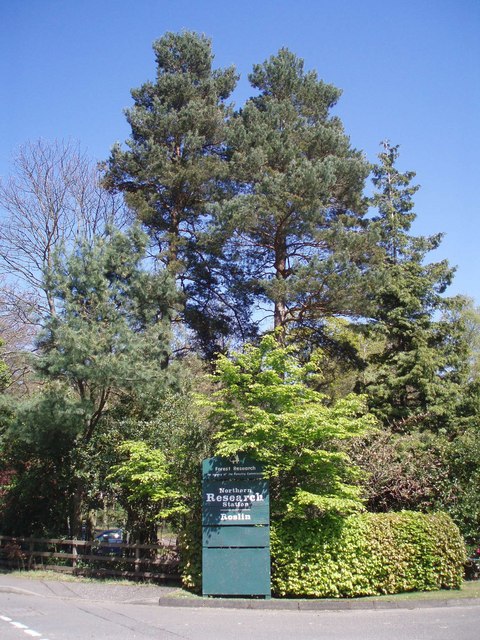
- Research, policy advice and grants for private landowners and community projects.
History and organisation
Founded after World War I to reduce reliance on imported timber, the Commission built forests, farms and nurseries and developed new forestry expertise. Over the decades its role broadened to include conservation, recreation and climate mitigation. Devolution has altered administrative arrangements: forestry policy and delivery are now handled at national level in the constituent countries of the UK, so responsibilities and agencies vary between England, Scotland, Wales and Northern Ireland.
Management practices and challenges
Modern forest management balances timber production with ecological and social goals. Techniques include clearfell and replanting, thinning, continuous cover forestry, and restoration of native broadleaf stands. Managers must respond to threats such as pests, tree diseases, storm damage and the effects of climate change. Long growth cycles and changing public expectations require flexible planning and investment.
Importance and public use
Publicly managed forests serve multiple purposes: they supply wood for construction and paper, store carbon, protect soils and water, and provide accessible green space for walking, cycling and wildlife watching. Educational programmes and community forestry initiatives help people connect with woodland and take part in planting and conservation. For a broader list of woodlands and sites overseen by public bodies, see Forests in the United Kingdom.
Related articles
Author
AlegsaOnline.com Forestry Commission (United Kingdom) Leandro Alegsa
URL: https://en.alegsaonline.com/art/35652