
Thirty-fourth government of Israel (2015–2020)
Coalition led by Benjamin Netanyahu from May 2015 to May 2020, dominated by Likud and allied religious parties. Notable for the 2018 Nation-State Basic Law and a prolonged political deadlock that led to new elections.
The thirty-fourth government of Israel was sworn in on 14 May 2015 and remained in office until 17 May 2020. It was led by Prime Minister Benjamin Netanyahu and was formed after the March 2015 election to the 20th Knesset. The administration is commonly described as right‑wing with strong representation from religious and nationalist parties.
Image gallery
4 Images
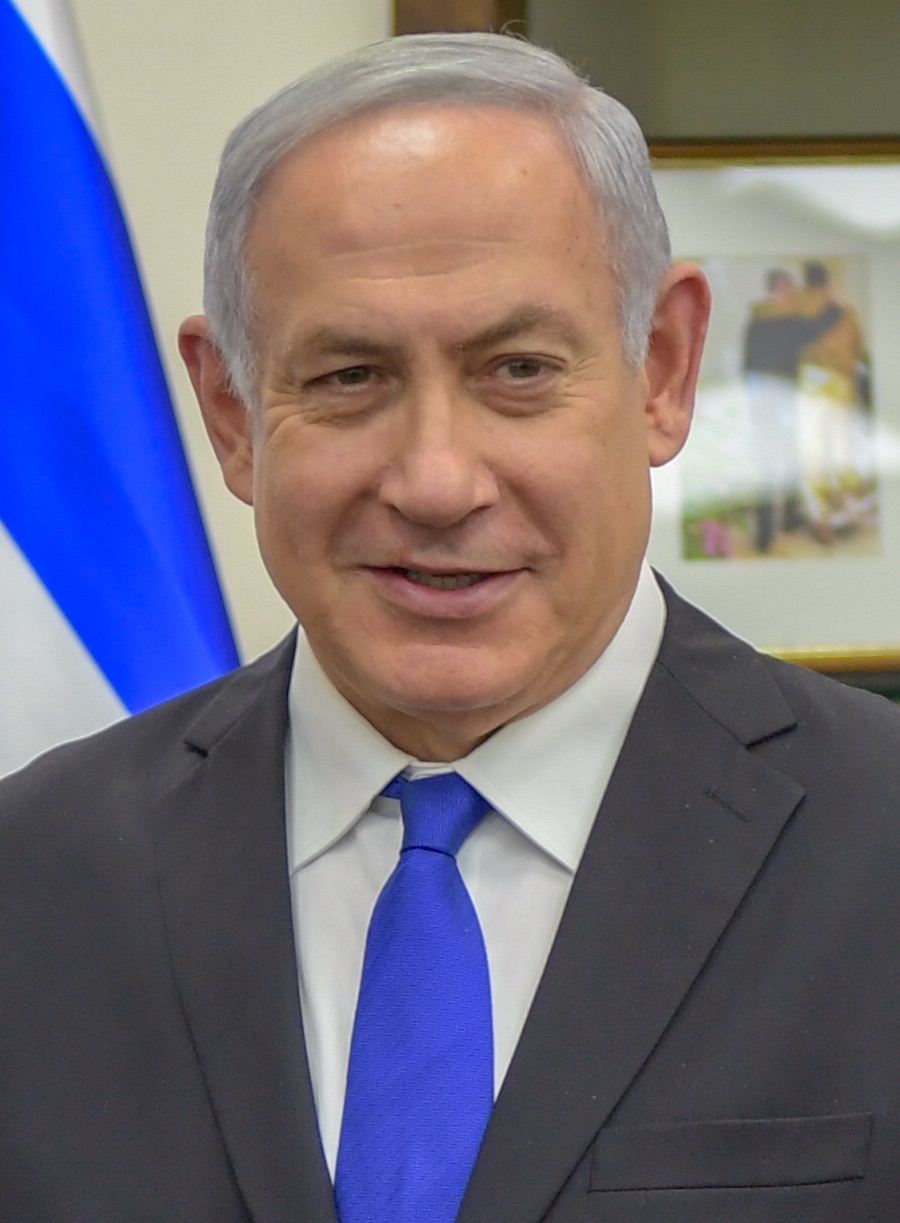
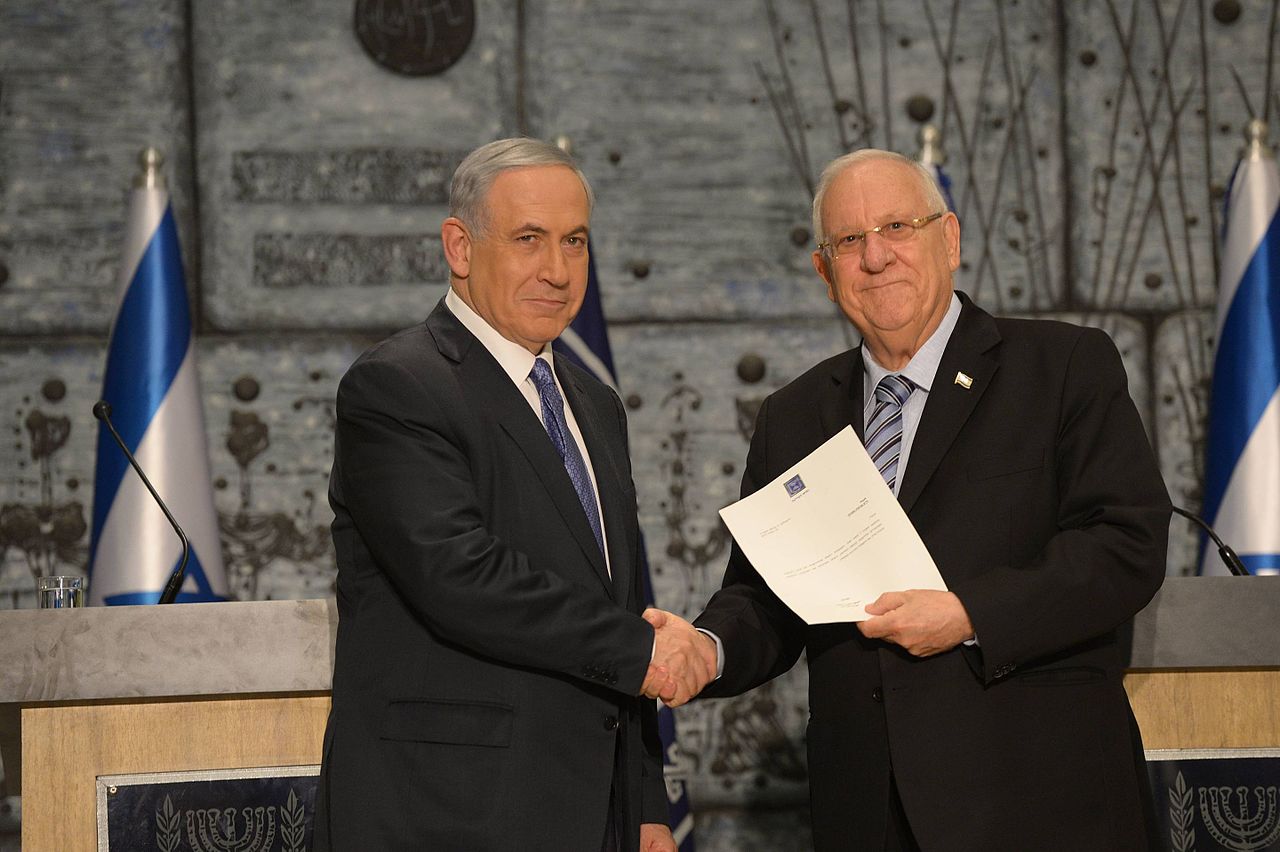
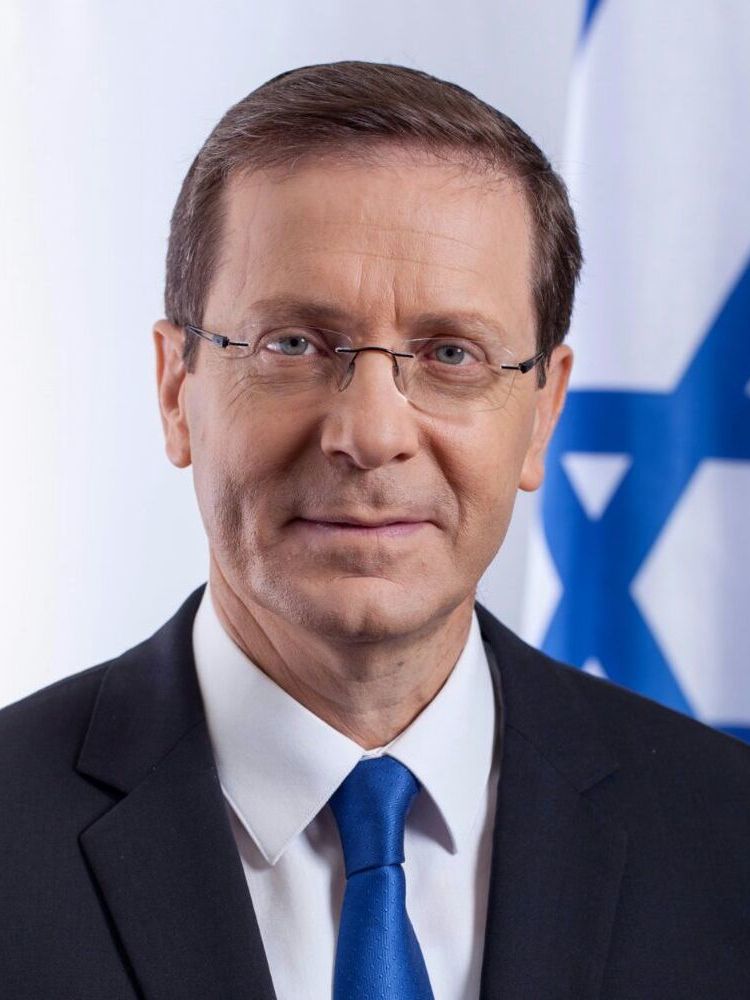
Composition
The coalition combined secular and religious factions and commanded a parliamentary majority. Participating parties and their seat counts in the 20th Knesset were:
- HaLikud (Likud) — 30 seats
- Kulanu — 10 seats
- HaBayit HaYehudi (The Jewish Home) — 8 seats
- Shas — 7 seats
- Yahadut HaTorah (United Torah Judaism) — 6 seats
- Yisrael Beiteinu — 5 seats
These partners provided a comfortable working majority in the Knesset for much of the term and gave religious parties notable influence over social policy, education, and aspects of state funding.
Policies and legislation
The government pursued policies typical of a center‑right, security‑focused administration: an emphasis on national security, continued support for settlement activity in the West Bank, and pro‑market economic measures aimed at growth and investment. One of the most significant and widely discussed legislative acts of this period was the Basic Law: Israel as the Nation‑State of the Jewish People (2018). That law clarified aspects of national symbols and the country’s character and prompted extensive public debate about minority rights and constitutional priorities.
Major events and challenges
During its tenure the cabinet faced multiple political and social challenges: protests over economic and social issues, security incidents along Israel's borders, and a protracted domestic political crisis that produced successive elections in 2019 and 2020. Political deadlock between leading parties and difficulties in forming a durable coalition culminated in negotiations and an eventual change of government arrangements in May 2020.
Composition of the cabinet and influence
The administration included ministers from both secular and religious parties; religious parties in particular secured portfolios and policy influence related to education, religious services, and welfare. Kulanu, a centrist partner, focused on economic and cost‑of‑living issues while nationalist parties emphasized settlement and security policies. The distribution of ministries reflected coalition bargaining and shaped the government's legislative priorities.
Legacy
Netanyahu's fourth government is often noted for the central role of religious and nationalist partners in shaping policy, for significant legislative changes with long‑term implications, and for governing during a period of heightened political polarization. Debates and legal challenges from this era continued to influence Israeli politics, public discourse and subsequent coalition negotiations. For further context on the election results and parliamentary composition see sources on the 20th Knesset and party pages for Kulanu, HaBayit HaYehudi, Shas, and Yisrael Beiteinu.
Related articles
Author
AlegsaOnline.com Thirty-fourth government of Israel (2015–2020) Leandro Alegsa
URL: https://en.alegsaonline.com/art/35923