
Forest Park, Illinois
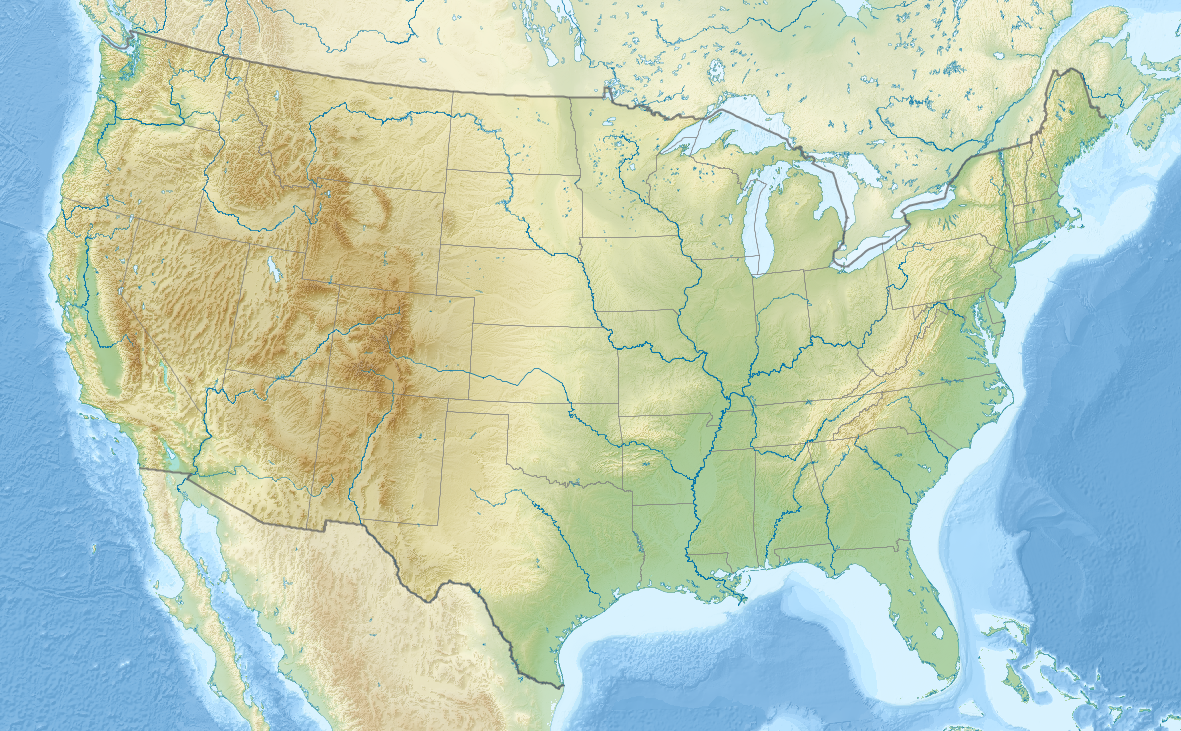
Forest Park is a village in Cook County, Illinois, west of Chicago. Known for its Blue Line terminal and residential neighborhoods, it had a population of 14,167 at the 2010 census.
Overview
Forest Park is a village in Cook County, Illinois, and functions as a close-in suburb of Chicago in the United States. It is primarily residential with pockets of commercial activity along major corridors. According to the 2010 U.S. census the village had a population of 14,167; its compact layout and proximity to the city make it part of the Chicago metropolitan area.
Image gallery
10 Images




History and name
The community was originally known as Harlem; the present name, Forest Park, reflects the area's early wooded character and its development as a suburban village near Chicago. Like many suburbs in the region, it grew with the expansion of rail and road connections during the late 19th and early 20th centuries, transitioning from rural parcels to denser residential neighborhoods.
Geography and character
Forest Park lies immediately west of Chicago's city limits and shares borders and commuting ties with nearby suburbs. The village is governed as a municipal village and contains a mix of single-family homes, multiunit buildings, small businesses, and civic facilities. Parks and tree-lined streets contribute to its neighborhood scale; local services and a village center serve residents' daily needs.
Transportation
Transportation is a defining feature of Forest Park. It hosts the western terminal of the Chicago Transit Authority's CTA Blue Line, a rapid transit route that connects directly to downtown Chicago and O'Hare International Airport. The terminal sits on the Eisenhower Expressway near Des Plaines Avenue, providing easy transfers between expressway travel and the rapid transit network. Road access to and from Forest Park is convenient for commuters heading into the city or to nearby suburbs.
Community, culture, and economy
The village supports a range of neighborhood-oriented businesses, restaurants, and cultural activities. Small commercial strips and local shops provide daily services, while residents often travel into Chicago for major cultural institutions and employment. Community events, park programs, and civic organizations contribute to local life and identity.
Notable facts and distinctions
- Formerly called Harlem, Forest Park later adopted its present name to reflect the surrounding landscape.
- The CTA Blue Line western terminal in Forest Park is an important transit hub linking the suburb to the central city and airport.
- Its close proximity to Chicago makes Forest Park part of the broader metropolitan commuter region while retaining a village-scale character.
For more detailed municipal information, services, and history consult local government and regional planning sources and transit maps maintained by transportation agencies.
Related articles
Author
AlegsaOnline.com Forest Park, Illinois Leandro Alegsa
URL: https://en.alegsaonline.com/art/35643
Sources
- www2.census.gov : "2016 U.S. Gazetteer Files"
- census.gov : "Population and Housing Unit Estimates"
- factfinder2.census.gov : "Profile of General Population and Housing Characteristics: 2010 Demographic Profile Data (DP-1): Forest Park village, Illinois"
- chicago-l.org : "Forest Park Terminal"