
Goethe's Faust: overview, parts, themes, and significance
An encyclopedic summary of Johann Wolfgang von Goethe's Faust: its two-part structure, main characters and themes, historical development, cultural influence, and why Part I and Part II differ in use.
Goethe's Faust is a cornerstone of German literature and one of the most influential works in Western letters. Written and revised across much of Johann Wolfgang von Goethe's life, the drama adapts the long-standing European legend of a scholar who makes a pact with the devil. For information on the poet and thinker behind the work, see Johann Wolfgang von Goethe; for context as a dramatic work, see the play.
Image gallery
8 Images


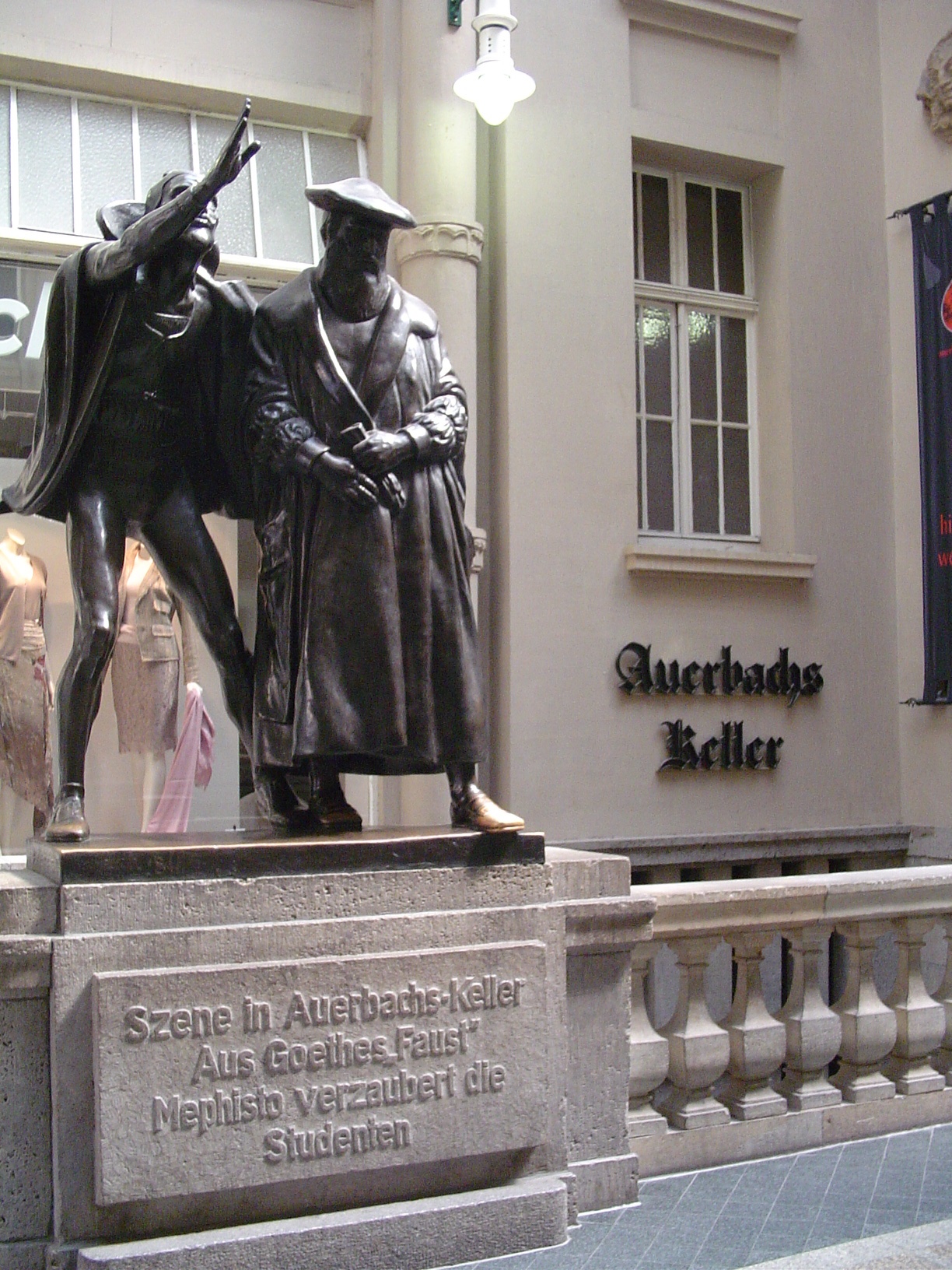


Historical background and publication
The Faust legend circulated in German folklore and printed chapbooks for centuries before Goethe transformed it into a two-part poetic drama. Goethe worked on Faust intermittently for decades; the best-known first part appeared in 1808, while the longer and more allusive second part reached readers in 1832 after many revisions. The work reflects intellectual currents of its era and Goethe’s wide-ranging interests in science, myth and culture.
Structure, characters and content
Faust is divided into Part I and Part II. Part I is concentrated, dramatic and frequently staged; it follows the scholar Heinrich Faust, his bargain with the demonic Mephistopheles, and the tragic love story with Gretchen (also called Margarete). Part II is expansive and highly allegorical, moving through political, historical and classical scenes and engaging with themes beyond the personal—hence its closer alignment with history and politics rather than conventional theatre.
Themes and interpretation
- Knowledge and striving: Faust embodies restless intellectual yearning and human striving.
- Moral consequence and redemption: The bargain with Mephistopheles raises questions about guilt, responsibility and salvation.
- Love and tragedy: The intimate story of Gretchen provides emotional weight and ethical complexity.
- Philosophy and culture: Part II incorporates Goethe’s reflections on art, myth and philosophy.
Key figures include Faust, the cynical and witty Mephistopheles, and the innocent Gretchen. The second part further introduces personified ideas and classical figures such as Helena, making the drama a fusion of personal tragedy and grand allegory.
Reception and legacy
Faust has shaped German literary identity and influenced poetry, theatre, music and philosophy across Europe. Part I is commonly performed and has inspired operas, plays and films; Part II is more often read and studied for its symbolic density. Scholars place the work at the intersection of national literature (German literature), intellectual history and aesthetic theory. For general resources and introductions, consult overview sites and critical editions like the play or biographical pages on Goethe.
Because the drama touches on many disciplines, students and readers encounter it variously as a tragic romance, a philosophical poem and a cultural manifesto. Its continuing relevance lies in its interrogation of ambition, ethics and the human desire to transcend limits.
Questions and answers
Q: What is Goethe's Faust?
A: Goethe's Faust is a play written by Johann Wolfgang von Goethe, which is the most famous play in all German literature.
Q: How many parts is Goethe's Faust published in?
A: Goethe's Faust is published in two parts.
Q: What is the main story of Part One of Goethe's Faust about?
A: Part One of Goethe's Faust is very dramatic and tells the main story.
Q: Is Part II of Goethe's Faust meant to be acted on stage?
A: No, Part II of Goethe's Faust is meant to be read rather than acted on stage.
Q: What is Part II of Goethe's Faust about?
A: Part II of Goethe's Faust is about Goethe’s philosophy as well as about history and politics.
Q: Is Part II of Goethe's Faust longer than Part One?
A: Yes, Part II of Goethe's Faust is extremely long compared to Part One.
Q: Why was Part II of Goethe's Faust not meant to be acted on stage?
A: Part II of Goethe's Faust was not meant to be acted on stage because it is about Goethe’s philosophy as well as history and politics, and it is meant to be read.
Related articles
Author
AlegsaOnline.com Goethe's Faust: overview, parts, themes, and significance Leandro Alegsa
URL: https://en.alegsaonline.com/art/39419