
Ford Kuga — compact crossover SUV
Compact crossover SUV introduced by Ford in 2008, marketed primarily in Europe as the Kuga and related to the Ford Escape; available with petrol, diesel, hybrid and plug‑in hybrid powertrains.
Overview
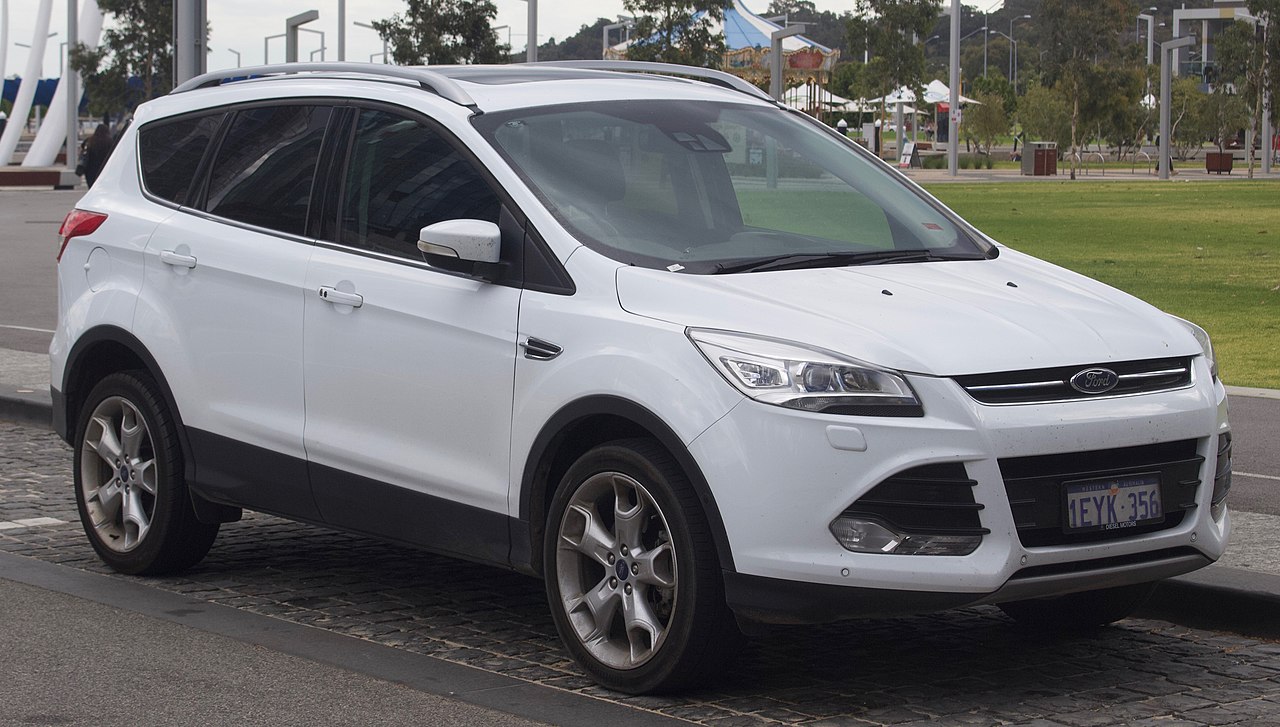
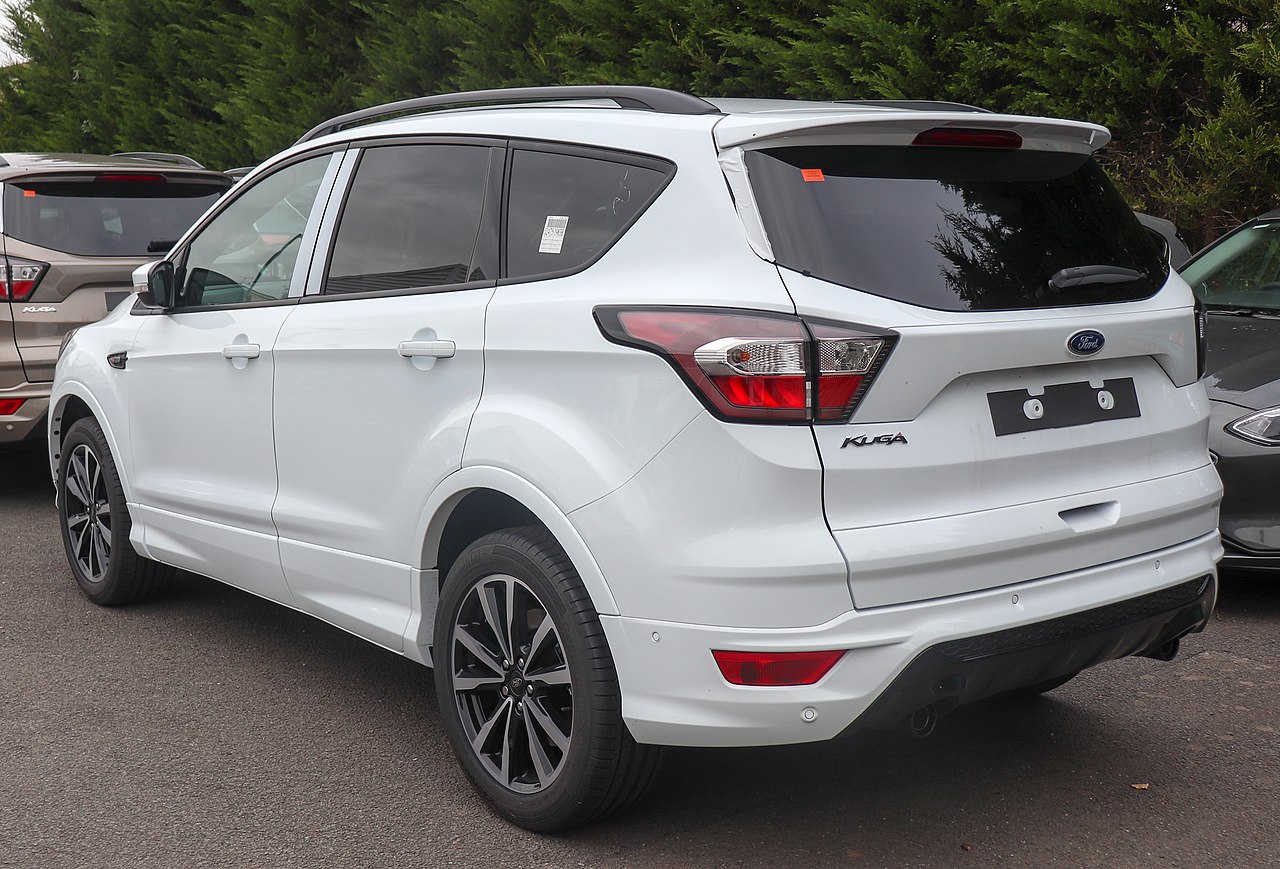
The Ford Kuga is a compact crossover SUV first introduced by Ford Motor Company in 2008. Designed as a family‑oriented, higher‑riding alternative to a hatchback, the Kuga combines car‑like handling with greater interior versatility and cargo space. It is closely related to the North American Ford Escape and shares many engineering components and structural architecture with other Ford compact models.
Image gallery
10 Images




Design and key characteristics
The Kuga typically offers seating for five, a raised driving position, and a configurable cargo area. Available equipment often includes driver‑assistance systems, infotainment with Ford SYNC, and optional all‑wheel drive on higher trims. Dimensions and packaging place it in the compact crossover segment, making it suitable for urban use as well as longer family trips.
Powertrains and variants
Throughout its production the Kuga has been offered with a range of powertrains: conventional petrol and diesel engines, mild‑hybrid versions, and full hybrid or plug‑in hybrid (PHEV) options introduced with later generations. The move toward electrified variants reflects broader industry trends and Ford’s strategy to broaden fuel‑efficient and low‑emission choices across its model range.
History and development
Launched in 2008 (2008) as Ford expanded into the growing compact SUV market, the model entered a new generation in the early 2010s and has continued to evolve in styling, safety, and powertrain technology. Later updates emphasized refinement, connectivity and the addition of hybrid technology to improve efficiency and reduce emissions.
Markets and usage
The Kuga is marketed primarily in Europe, where it competes with other compact SUVs from mainstream manufacturers. While closely related to the Escape in North America, the Kuga name is used mainly in European markets and some other regions; regional specifications and equipment levels vary to suit local preferences and regulations (Europe).
Notable distinctions and practical points
- Relationship to Ford Escape: shared platform and many components, but brand names and trim choices can differ by market.
- Electrified options: recent generations introduced hybrid and plug‑in hybrid variants to meet emissions targets and buyer demand.
- Typical uses include family transport, light towing where permitted, and urban commuting while offering higher ground clearance than a standard hatchback.
For further technical specifications, model year changes and equipment details consult manufacturer literature or region‑specific brochures, as these vary by market and year.
Related articles
Author
AlegsaOnline.com Ford Kuga — compact crossover SUV Leandro Alegsa
URL: https://en.alegsaonline.com/art/35578