
Fontaine-lès-Croisilles
Fontaine-lès-Croisilles is a small rural commune in the Pas-de-Calais department of northern France, located near Croisilles. It has local administration, agricultural surroundings and typical village features.
Overview
Fontaine-lès-Croisilles is a small French commune situated close to the village of Croisilles. The name uses the traditional French toponymic element lès, meaning "near", and identifies the settlement by its proximity to a better-known neighbour. It is part of the historic territorial framework of northern France and functions as the basic unit of local government.
Image gallery
2 Images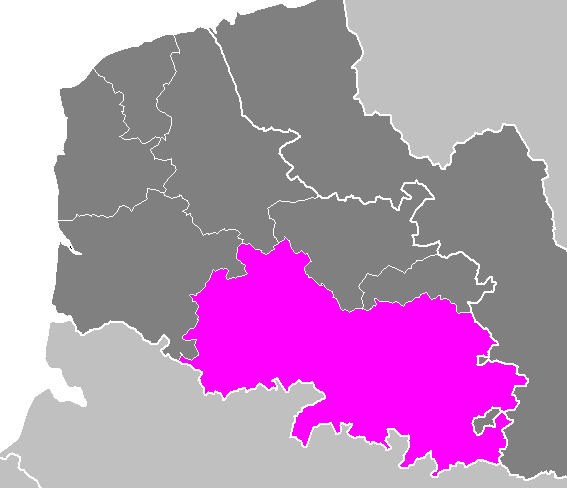
Location and administration
The commune lies within the wider region historically known as Nord-Pas-de-Calais, which was reorganized into the larger Hauts-de-France region in recent reforms. Administratively it belongs to the Pas-de-Calais department in the north of France. Local affairs are managed by an elected municipal council and a mayor, with public services and planning reflecting the needs of a small rural population.
Characteristics
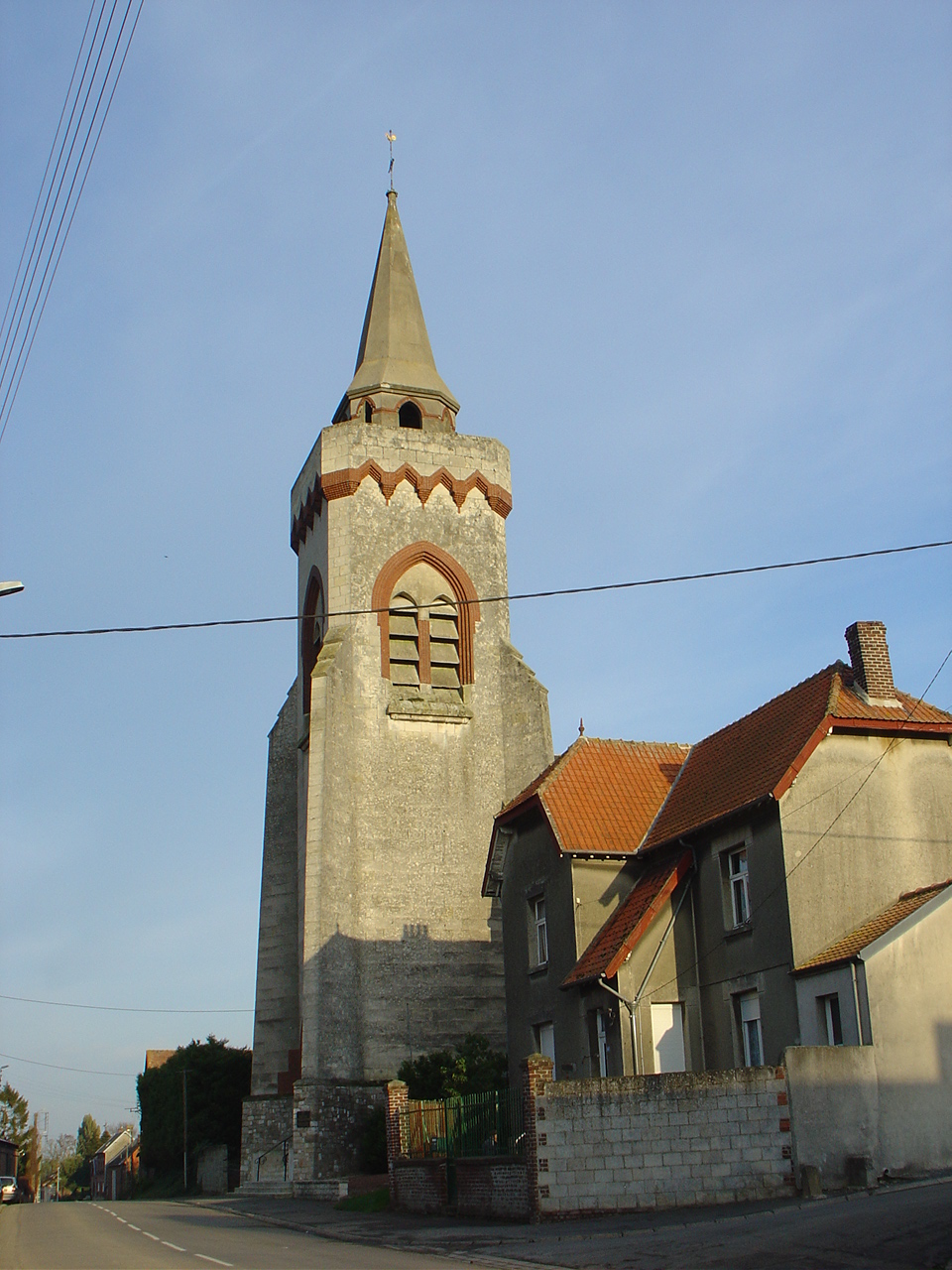
Like many villages in the area, Fontaine-lès-Croisilles typically features a compact village core with a mairie (town hall), a parish church, and a war memorial. Surrounding land is dominated by agricultural fields, hedgerows and small lanes connecting neighbouring communes. The community scale supports local farming, small businesses and residential life rather than urban industry.
History and development
The area shares the broad historical patterns of Pas-de-Calais: medieval settlement, agricultural development, and the impacts of modern conflicts and economic change. While Fontaine-lès-Croisilles itself is a modest locality, its records and built fabric reflect regional shifts in administration and rural life over centuries.
Uses and points of interest
- Local administration and civic life centered on the mairie.
- Rural landscapes used for cereal and mixed farming.
- Traditional village features such as church architecture and commemorative monuments.
Visitors and researchers looking for more practical information—maps, municipal contacts or local events—should consult official departmental resources or local notices maintained by the commune and nearby towns. For broader context, regional histories of Nord-Pas-de-Calais and departmental guides to Pas-de-Calais provide useful background.
Related articles
Author
AlegsaOnline.com Fontaine-lès-Croisilles Leandro Alegsa
URL: https://en.alegsaonline.com/art/35411