
Florianópolis — capital of Santa Catarina, Brazil
Coastal city in southern Brazil, largely on Santa Catarina Island. Capital of the state of Santa Catarina, known for beaches, bridges, seafood, a university and a growing technology and tourism economy.

Florianópolis is the capital city of the Brazilian state of Santa Catarina. The municipality covers about 433 square kilometres and lies mostly on Santa Catarina Island, with portions on the mainland. The city proper is home to roughly four hundred thousand residents, while a larger metropolitan area surrounds it. Locally it is often called Floripa, and it serves as an administrative, cultural and economic center for the region. For more general information about the city status, see this city entry.
Image gallery
10 Images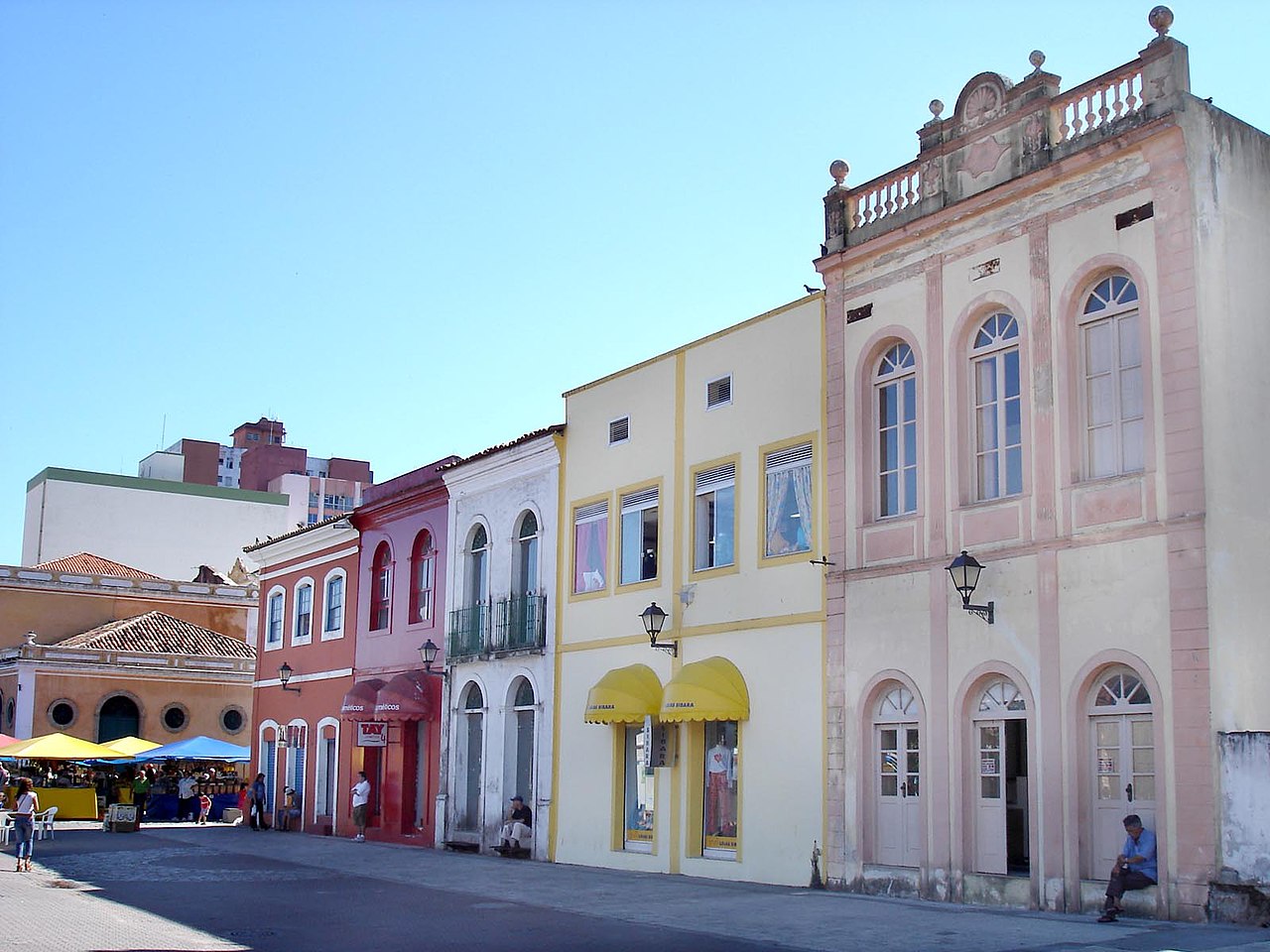


Geography and urban layout
Florianópolis mixes urban neighborhoods, protected natural areas and dozens of beaches. The municipality includes the island's urban core, lagoon systems and hilly interiors as well as a mainland section connected by bridges. The cityscape features notable landmarks such as the historic Hercílio Luz Bridge, several coastal villages and the scenic Lagoa da Conceição.

History and cultural influences
The island and surrounding coast were originally inhabited by indigenous peoples and later settled by Portuguese colonists and Azorean migrants, whose cultural imprint remains visible in local architecture, festivals and cuisine. The city was renamed to honor Marshal Floriano Peixoto in the late 19th century; its older names and colonial past are reflected in historic neighborhoods and churches.
Florianópolis is known for a blend of traditional maritime livelihoods—fishing, boatbuilding and seafood markets—and modern economic activities. Tourism is a major seasonal driver, buoyed by a variety of beaches and outdoor sports such as surfing and hiking. The presence of a significant university, the Federal University of Santa Catarina (UFSC), supports education, research and a technology sector that has expanded in recent decades. The municipality also hosts an international airport and a service economy that caters to visitors and residents.
Visitors and residents value Florianópolis for its natural diversity, coastal recreation and quality of life. Typical attractions include sandy shores, dunes, surf breaks and protected reserves that support birdlife and marine species. The city regularly hosts cultural events and offers regional cuisine with an emphasis on fresh seafood and Azorean-inspired dishes.
- Popular beaches and areas: Joaquina, Campeche, Jurerê Internacional, Lagoa da Conceição, Campeche
- Notable landmark: Hercílio Luz Bridge and colonial-era downtown
- Institutions: Federal University of Santa Catarina (UFSC), research and tech hubs
While tourism shapes much of the city's public image, Florianópolis also faces typical urban challenges such as infrastructure needs, seasonal population pressure and environmental conservation. Its combination of island landscapes, historic districts and a growing knowledge economy makes it an important and distinctive Brazilian coastal capital.
Related articles
Author
AlegsaOnline.com Florianópolis — capital of Santa Catarina, Brazil Leandro Alegsa
URL: https://en.alegsaonline.com/art/35203