
Florida (commune), Biobío Region, Chile
Florida is a city and commune in Chile's Biobío Region, located about 42 km east of Concepción. The commune had 10,067 inhabitants and covered 609 km² according to the 2002 census.
Overview
Florida is a city and commune in the Biobío Region of southern central Chile. It lies roughly 42 kilometres east of the regional capital, Concepción, and functions as the local administrative centre for a predominantly rural territory. Official figures from the 2002 national census record 10,067 inhabitants and an area of 609 square kilometres; these historical data are the baseline for many descriptions of the commune 2002 census.
Image gallery
2 Images
Geography and environment
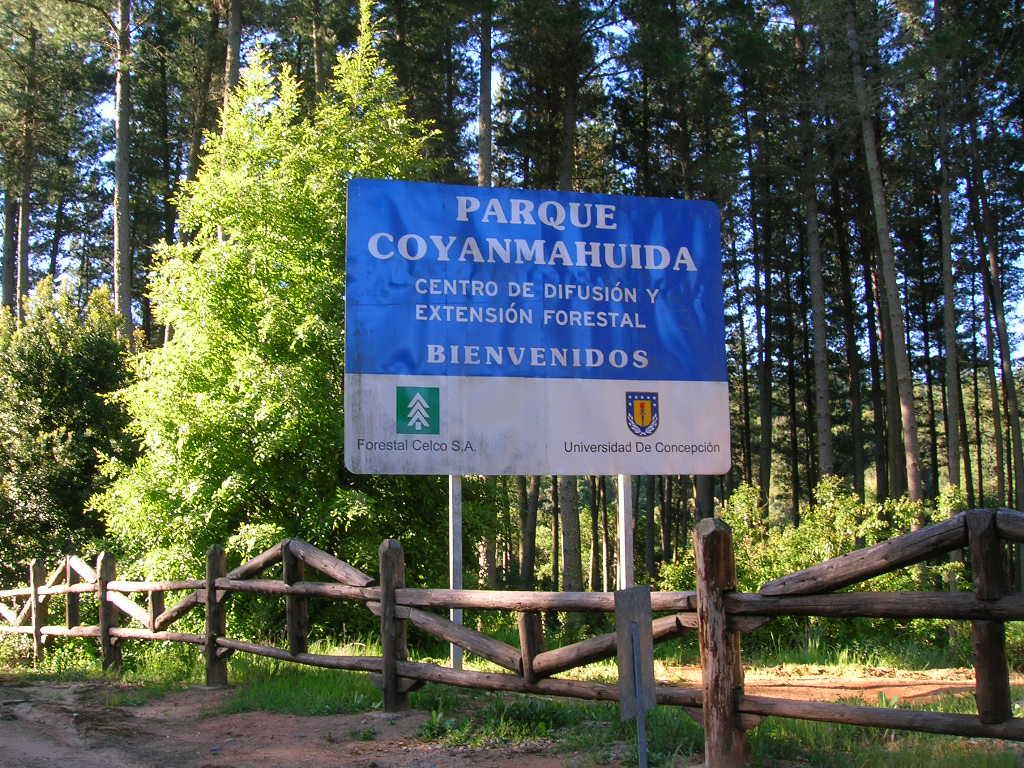
The commune occupies part of the rolling foothills and valleys that transition between the coastal plain and the Andes foothills. The landscape mixes farmland, patches of native forest and managed forestry plantations. Its location in the Biobío Region places it within a temperate zone with marked seasonal rainfall and vegetation that influenced both settlement and local economic activity. The commune's seat is connected by regional roads to larger urban centres such as Concepción.
Administration and history
As a Chilean commune, Florida is administered by a municipal government headed by a mayor (alcalde) and an elected council. The territory lies within a longer human landscape historically occupied by indigenous communities and later shaped by Spanish colonial and republican-era development. The name "Florida"—Spanish for "flowery"—is common in Hispanic toponymy and reflects local natural features or early settlers' impressions.
Economy and transport
Local economic activity is dominated by agriculture, livestock and forestry, with smaller-scale commerce and services concentrated in the urban centre. Many residents commute or trade with nearby cities, using regional roads that link the commune to the wider metropolitan area. Infrastructure and development follow patterns typical for semi-rural communes in central-southern Chile.
Key facts
- Official status: City and commune in Biobío Region (Florida commune).
- Area: 609 km² (2002 data).
- Population: 10,067 inhabitants (2002 census).
- Location: About 42 km east of Concepción.
For up-to-date statistics or municipal matters consult local sources or the commune's official channels, since population and economic conditions can change between national censuses.
Related articles
Author
AlegsaOnline.com Florida (commune), Biobío Region, Chile Leandro Alegsa
URL: https://en.alegsaonline.com/art/35206
Sources
- muniflorida.cl : "Municipality of Florida"
- ine.cl : "National Statistics Institute"
- world-time-zones.org : "Chile Time"
- world-time-zones.org : "Chile Summer Time"