
Florissant, Missouri: history, geography, and community overview
Florissant is a suburban city in St. Louis County, Missouri, with roots in 18th‑century French settlement. This article covers its history, geography, institutions, economy and notable landmarks.

Overview
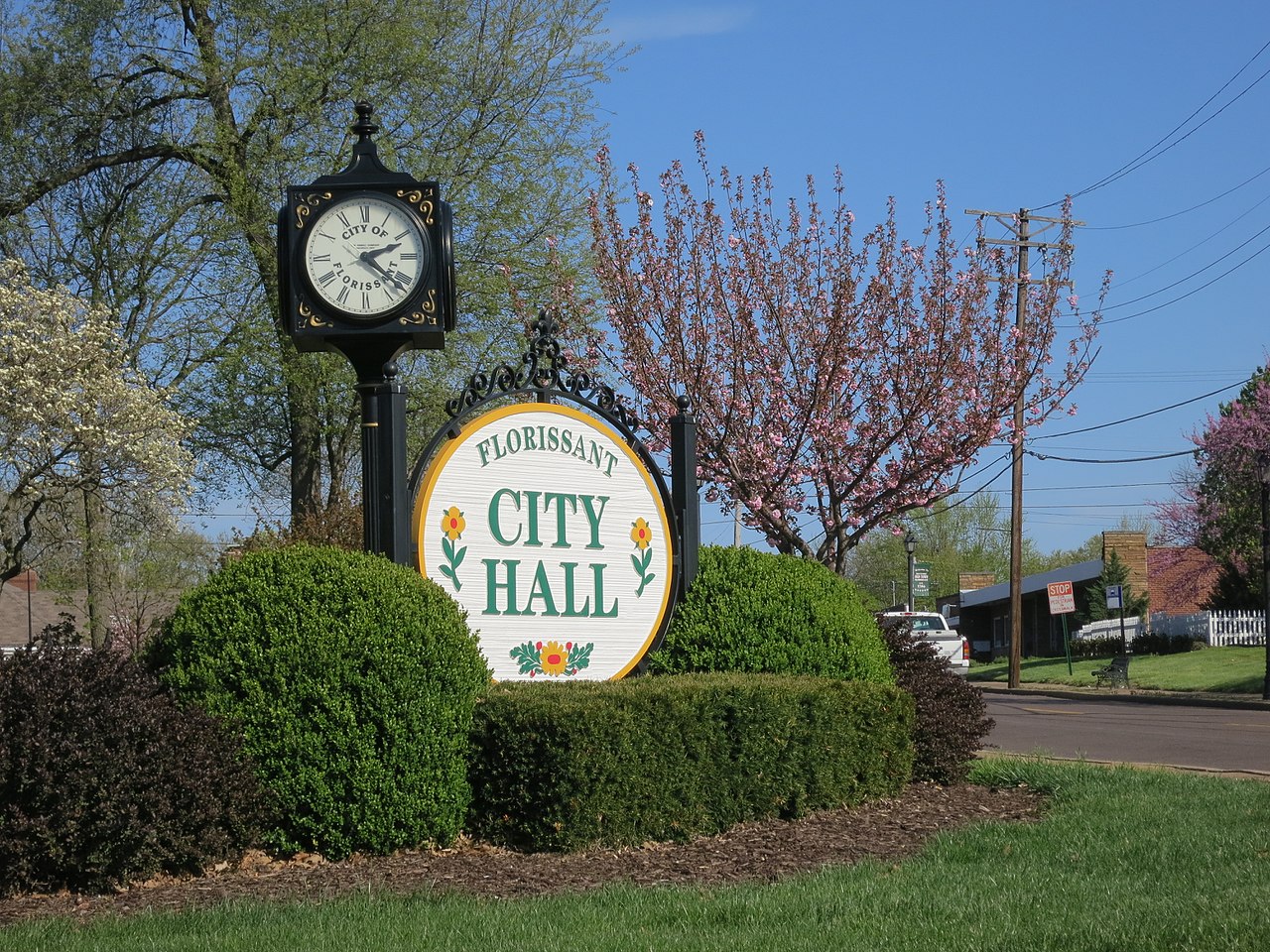
Florissant is a city in St. Louis County, Missouri, and is part of the greater St. Louis metropolitan area. Founded in the colonial era by French‑speaking settlers, it has evolved into a primarily residential suburb with a diverse population and a mix of historic neighborhoods, parks, and commercial corridors. The city functions as a local center for schools, municipal services, and community events while remaining closely connected to St. Louis by road and transit links.
Image gallery
5 Images


History and origins
The community that became Florissant dates to the late 18th century, when French settlers established farms and villages in the Mississippi River region. For much of its early life the settlement was known by the ecclesiastical name St. Ferdinand and developed around parish and agricultural life. Under Spanish and later United States rule, the area retained a rural character through the 19th century. In the 20th century, streetcar lines, road improvements, and suburban development transformed Florissant into a residential suburb of St. Louis, bringing steady population growth, new neighborhoods, and expanded municipal services while preserving pockets of its colonial‑era landscape and architecture.
Geography and environment
Florissant sits in the northern portion of St. Louis County, in the lowlands of the Mississippi watershed. The city contains a mixture of older, tree‑lined residential districts, commercial strips, and public parks. Local green spaces and community parks provide recreation and sports fields, and the city maintains trails and facilities for families and seniors. Florissant's layout reflects successive waves of development: small farmsteads and stone houses in historic sectors, early 20th‑century streetcar suburbs, and mid‑century subdivisions and shopping areas.
Demographics and community life
Home to roughly fifty thousand residents in recent decades, Florissant has a socioeconomically mixed population and a variety of cultural and civic organizations. Neighborhood churches, civic clubs, and festivals contribute to a strong sense of local identity. The public school system serving much of the city, community recreation centers, libraries, and senior services play important roles in daily life. Over time the city has become more diverse in ethnicity and occupation while retaining many long‑term residents and family traditions.
Government, education and services
Florissant operates under a municipal government that provides police and fire protection, public works, parks maintenance, and planning. Educational needs are met by public school districts that include the long‑established Ferguson‑Florissant district as well as neighboring districts depending on location within the city limits. Local government also oversees zoning, community development projects, and neighborhood revitalization efforts intended to maintain property values and improve public spaces.
Economy and transportation
The city's economy is dominated by retail, services, light industry in nearby corridors, and employees who commute to jobs elsewhere in the St. Louis area. Commercial centers along main thoroughfares offer shopping, dining, and professional services for residents. Florissant is connected to the regional highway network and is within reasonable driving distance of St. Louis Lambert International Airport, enabling commuting and freight movement. Public transit and local road improvements support access to employment centers across the metropolitan region.
Landmarks and notable facts
Florissant preserves several historic buildings and community landmarks that reflect its colonial and suburban past, including churches, early stone houses, and parkland with memorials. Its French‑derived name—associated with words meaning "flourishing" or "flowering"—recalls the city's origins. As one of the older continuously occupied settlements in the St. Louis area, Florissant illustrates the transition from colonial farming community to modern suburban city and continues to balance historic preservation with contemporary growth and services.
Related articles
Author
AlegsaOnline.com Florissant, Missouri: history, geography, and community overview Leandro Alegsa
URL: https://en.alegsaonline.com/art/35228