
Florence County, Wisconsin
Florence County is a small, rural county in northeastern Wisconsin. The county seat is Florence; population was 4,423 in 2010. The area is noted for forests, lakes and outdoor recreation.
Overview
Florence County is a sparsely populated county in the U.S. state of Wisconsin. In 2010 the county recorded 4,423 residents, making it one of the least-populated counties in the state. The county seat and largest community is the town of Florence. The county is known for its rural character, low population density and reliance on natural resources and tourism.
Image gallery
3 Images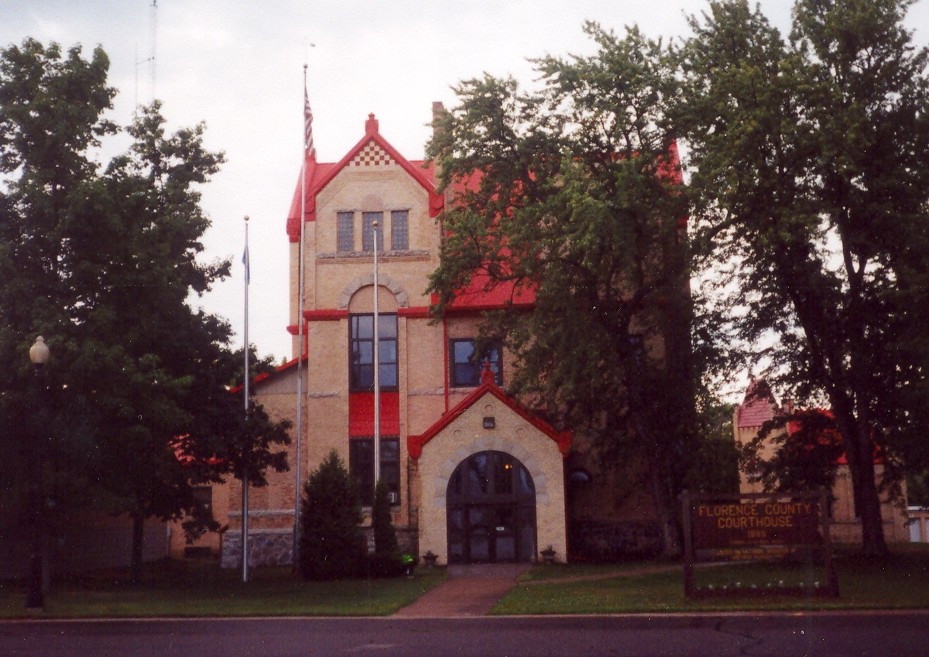


Geography and environment
Florence County lies in the far northeastern part of Wisconsin and shares a border with Michigan's Upper Peninsula. The landscape is dominated by mixed hardwood and conifer forests, numerous small lakes, rivers and wetlands. These natural features support a variety of wildlife and make the county a destination for outdoor pursuits year-round.
History and development
The region developed in the late 19th and early 20th centuries as logging and extractive industries expanded into northern Wisconsin. Small communities grew around mills, rail lines and river crossings. Over time the local economy shifted toward recreation, conservation and small-scale services as timber harvesting declined in relative importance.
Economy and recreation
Today the county economy is a mix of forestry-related activities, local retail and services, and seasonal recreation. Visitors come for fishing, hunting, boating, hiking and snowmobiling. The area's quiet roads, public lands and water access are important for both residents and tourists.
Government, demographics and notable facts
The county government is based in Florence and provides standard local services for a small rural population. Demographically the county is characterized by an older median age and low density compared with statewide averages. Its combination of forested landscapes, waterways and a small population distinguishes Florence County within northern Wisconsin.
- County seat: Florence
- Population (2010): 4,423
- Common activities: fishing, hunting, snowmobiling, hiking
Related articles
Author
AlegsaOnline.com Florence County, Wisconsin Leandro Alegsa
URL: https://en.alegsaonline.com/art/35185