
Fleys — commune in Yonne, Bourgogne-Franche-Comté, France
Fleys is a small commune in the Yonne department of Bourgogne-Franche-Comté in central France. This article covers its status, governance, geography, regional context, history and local significance.
Overview
Fleys is a rural commune located in the Yonne department within the administrative region of Bourgogne-Franche-Comté in central France. In France, a commune is the smallest unit of local government; it usually corresponds to a village or small town with its own mayor and municipal council. Fleys exemplifies the many small settlements that together form the country’s largely decentralized local administration.
Image gallery
1 Image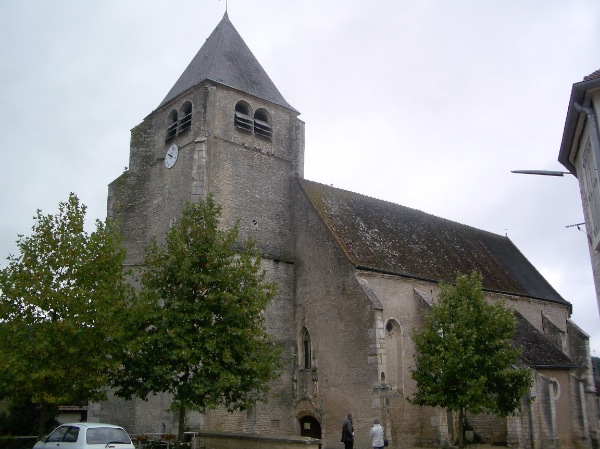
Characteristics and administration
As with other French communes, Fleys is managed by an elected mayor and a municipal council responsible for local services, planning and representation. Communes commonly join an intercommunal structure to share resources for waste management, schools and economic development. Demographically, such communes tend to have small, sometimes aging populations and a primarily residential or agricultural character.
Geography and economy
Fleys lies in the Yonne department, a part of Burgundy known for its varied landscapes: river valleys, rolling farmland and vineyards in areas such as Chablis. While specific economic activities vary by village, the local economy of Yonne communes typically includes mixed farming, small-scale commerce, crafts and, in parts of the department, viticulture and tourism linked to wine and heritage sites. The surrounding countryside offers opportunities for walking, local markets and rural tourism.
History and cultural context
Many villages in Yonne have medieval roots and evolved through feudal, religious and agrarian phases before being reorganized during the French Revolution into modern communes. Fleys likely shares this broad pattern: a settlement with long-standing local traditions, historic buildings such as a parish church or farmhouses, and memorials that reflect 19th- and 20th-century events. Local historical archives and regional studies provide more precise information for researchers.
Notable features and distinctions
- Administrative status: Fleys is one of several hundred communes in Yonne, contributing to the department’s rural identity.
- Regional setting: proximity to larger towns in Yonne offers access to regional services and transport networks.
- Rural heritage: typical features include village streets, agricultural plots and community institutions managed at the commune level.
Practical information and further research
Visitors or researchers interested in Fleys should consult departmental resources, regional tourism offices and official municipal publications for up-to-date information on governance, local services and events. For broader context on administrative organization and regional geography, see general references on the Yonne department and the Bourgogne-Franche-Comté region. Detailed archival or demographic data are available through national and departmental statistical services and local town halls.
For more general information about communes in France, their roles and responsibilities, and how they fit into larger administrative structures, follow resources that explain municipal government and rural development in the French context.
Related articles
Author
AlegsaOnline.com Fleys — commune in Yonne, Bourgogne-Franche-Comté, France Leandro Alegsa
URL: https://en.alegsaonline.com/art/35112
Sources
- insee.fr : INSEE