
Flathead County, Montana
Flathead County in northwestern Montana is known for its mountains, lakes and outdoor recreation. It includes Kalispell and parts of Glacier National Park and had 90,928 residents at the 2010 census.
Flathead County is a regional jurisdiction in the U.S. state Montana, located in the northwest portion of the state and framed by rugged mountain ranges and broad valleys. The county combines wilderness and small urban centers, and serves as a gateway for outdoor tourism and conservation efforts in the Northern Rockies. Portions of well-known parkland and large freshwater bodies lie within its borders.
Image gallery
2 Images
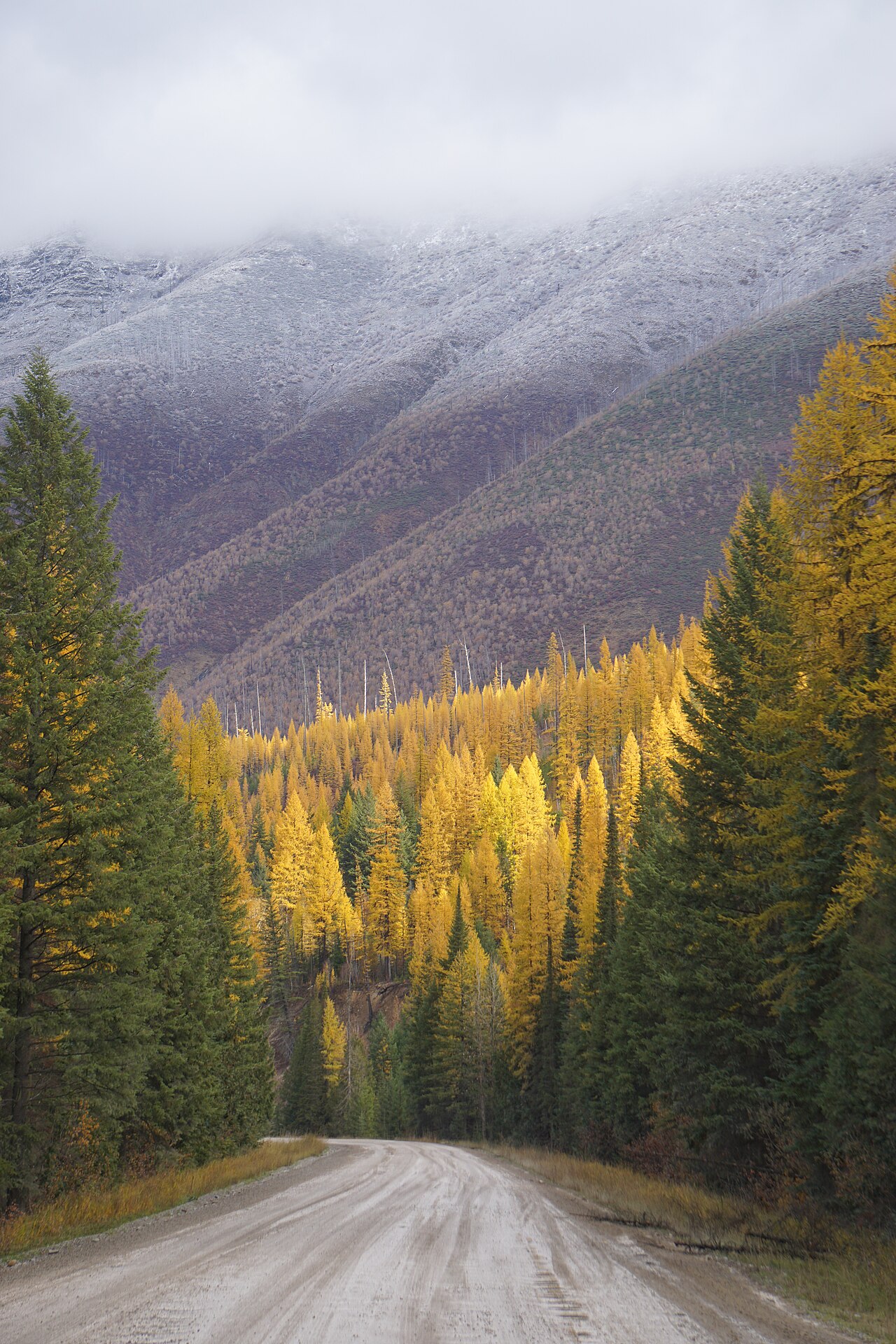
Geography and natural features
The county occupies much of the Flathead Valley and is threaded by rivers, alpine ridges and glacial lakes. Flathead Lake is one of the largest natural freshwater lakes in the western United States and is a central feature of the landscape. Nearby mountain groups and forests support abundant wildlife and attract visitors year-round for hiking, fishing, boating and winter sports.
History and settlement
Indigenous peoples inhabited the region for millennia before Euro-American exploration and settlement in the 19th century. The area developed with transport links and resource industries during the late 1800s and early 1900s, establishing towns that later grew into local economic centers. Federal land protection and park creation shaped later land use and tourism.
As reported by the 2010 United States Census, the county had 90,928 residents, making it one of the more populous counties in Montana. Its growth reflects a mix of retirees, service workers, outdoor-industry entrepreneurs and seasonal visitors. Population and development tend to concentrate in valley communities while large tracts remain forested or conserved.
The county seat is Kalispell, a regional commercial and transportation hub. Other notable communities include Whitefish, Columbia Falls and Bigfork, each offering different combinations of lodging, arts, and access to recreational areas. Kalispell hosts regional services, cultural institutions and connections to surrounding public lands.
Economy, recreation and conservation
Local economic activity balances tourism, hospitality, forestry, agriculture and services that support residents and visitors. Recreation and conservation are central: national and state parks, trail systems and lakefront access help sustain a tourism-oriented economy while generating ongoing conversations about land management, seasonal pressures and sustainable development.
- Major attractions: Flathead Lake, access points to Glacier National Park, mountain trails and ski areas.
- Common activities: boating, fishing, hiking, wildlife viewing and winter sports.
- Notable facts: a mix of preserved wilderness and growing towns creates a region valued for scenic landscapes and outdoor lifestyle.
Related articles
Author
AlegsaOnline.com Flathead County, Montana Leandro Alegsa
URL: https://en.alegsaonline.com/art/35039
Sources
- quickfacts.census.gov : "State & County QuickFacts"
- naco.org : "Find a County" · web.archive.org