
Flathead Lake (Montana)
Flathead Lake is a large natural freshwater lake in northwestern Montana, noted for its size, glacial origin, islands such as Wild Horse Island, recreational use, and ecological importance.
Overview
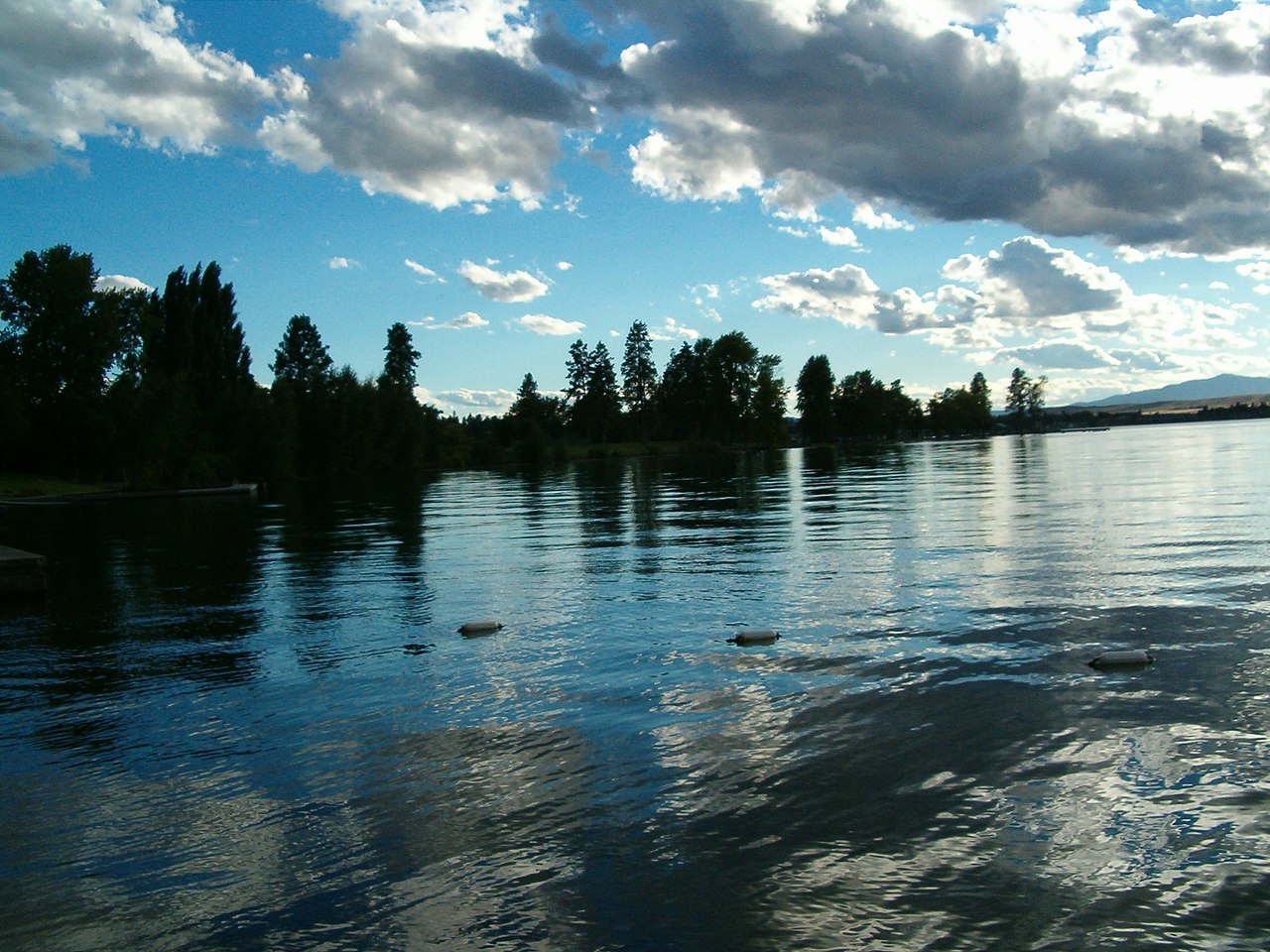
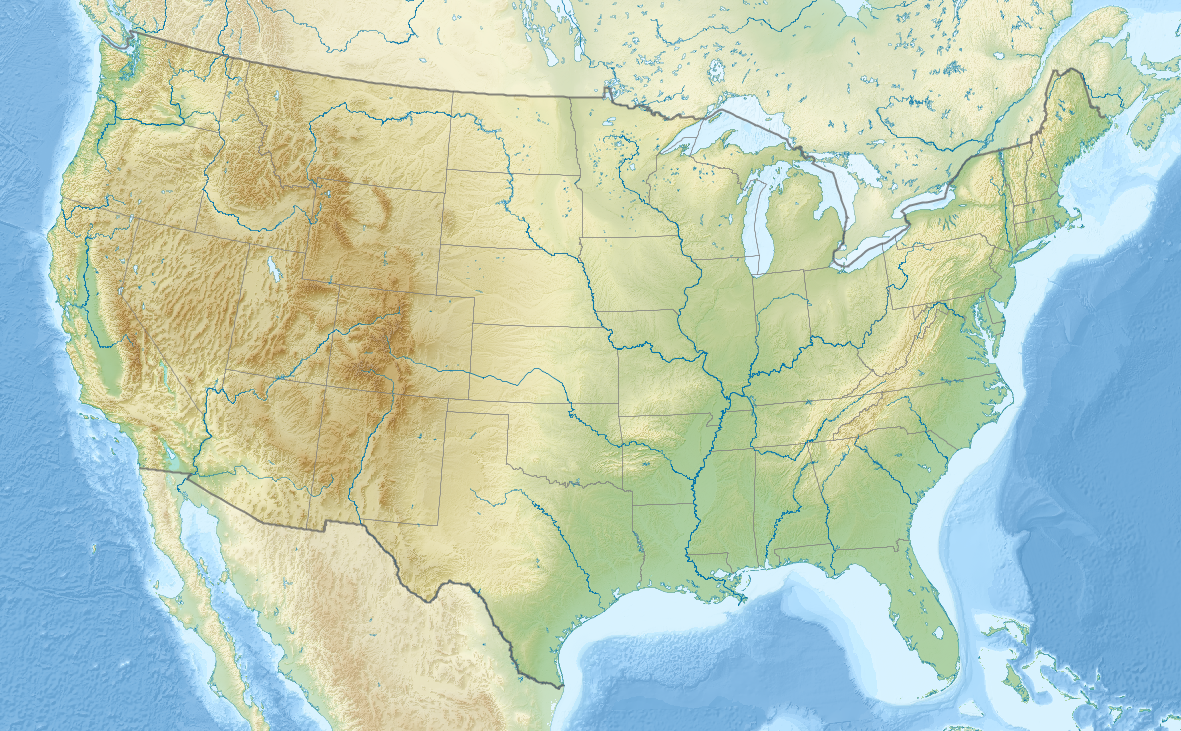
Flathead Lake sits in northwestern Montana and is one of the largest natural freshwater lakes in the contiguous United States, covering about 197 square miles. Its broad, open surface and scenic mountain backdrop make it a regional landmark and a focal point for recreation, tourism and local communities. For additional background and resources, see more information.
Image gallery
6 Images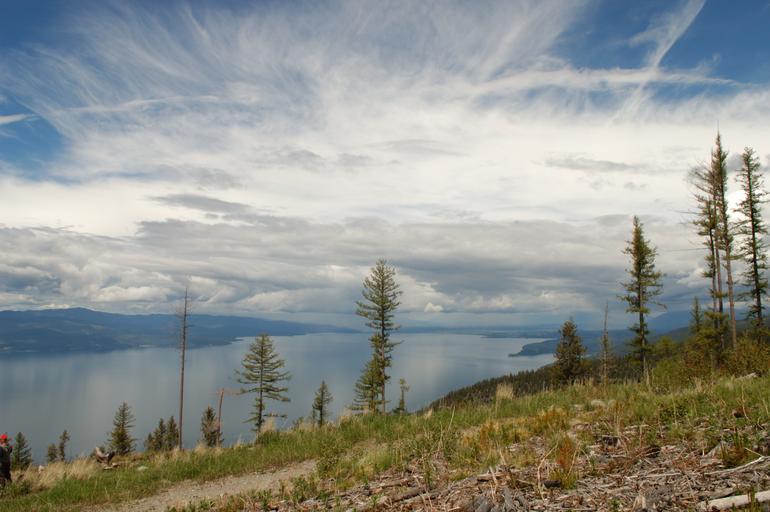


Geography and formation
The lake occupies a valley drained by tributary streams and the Flathead River. It lies between mountain ranges and was shaped by glacial activity during the last Ice Age; glaciers carved the basin that later filled with meltwater. The lake’s waters eventually leave via an outlet that joins larger river systems and flows toward the Pacific, linking the lake to a wider watershed.
Ecology and notable islands
Flathead Lake supports a mix of native and introduced aquatic species and is an important habitat for fish and waterbirds. The lake contains several islands and rocky shoals that provide nesting and wintering areas for birds and refuge for mammals. The largest and best-known island, Wild Horse Island, is managed as a state park and is famous for its open grasslands, archaeological sites and free-roaming horses.
- Wild Horse Island (state park)
- Several smaller islands and islets with wildlife habitat
Human history and uses
Indigenous peoples, including Salish and Kootenai communities, used the lake and its shorelines for fishing, travel and seasonal camps for many generations. Euro-American settlement increased in the 19th and 20th centuries; the lake has since supported commercial and recreational fishing, tourism, boating and lakeside communities. A flow-regulating dam located downstream influences lake level for power production and water management.
Recreation, economy and conservation
Flathead Lake is a year-round destination for boating, angling, swimming and wildlife viewing. Local economies benefit from marinas, campgrounds and state park units around the shoreline. At the same time, managers and citizen groups monitor water quality, invasive species threats and shoreline development to balance public use with long-term ecological health.
Related articles
Author
AlegsaOnline.com Flathead Lake (Montana) Leandro Alegsa
URL: https://en.alegsaonline.com/art/35040