
Flash (tattoo): printed designs used for non‑custom tattoos
An overview of tattoo flash: printed or drawn designs collected on sheets, how they’re used, their history, categories, customization options, and their role in tattoo studios.
Overview
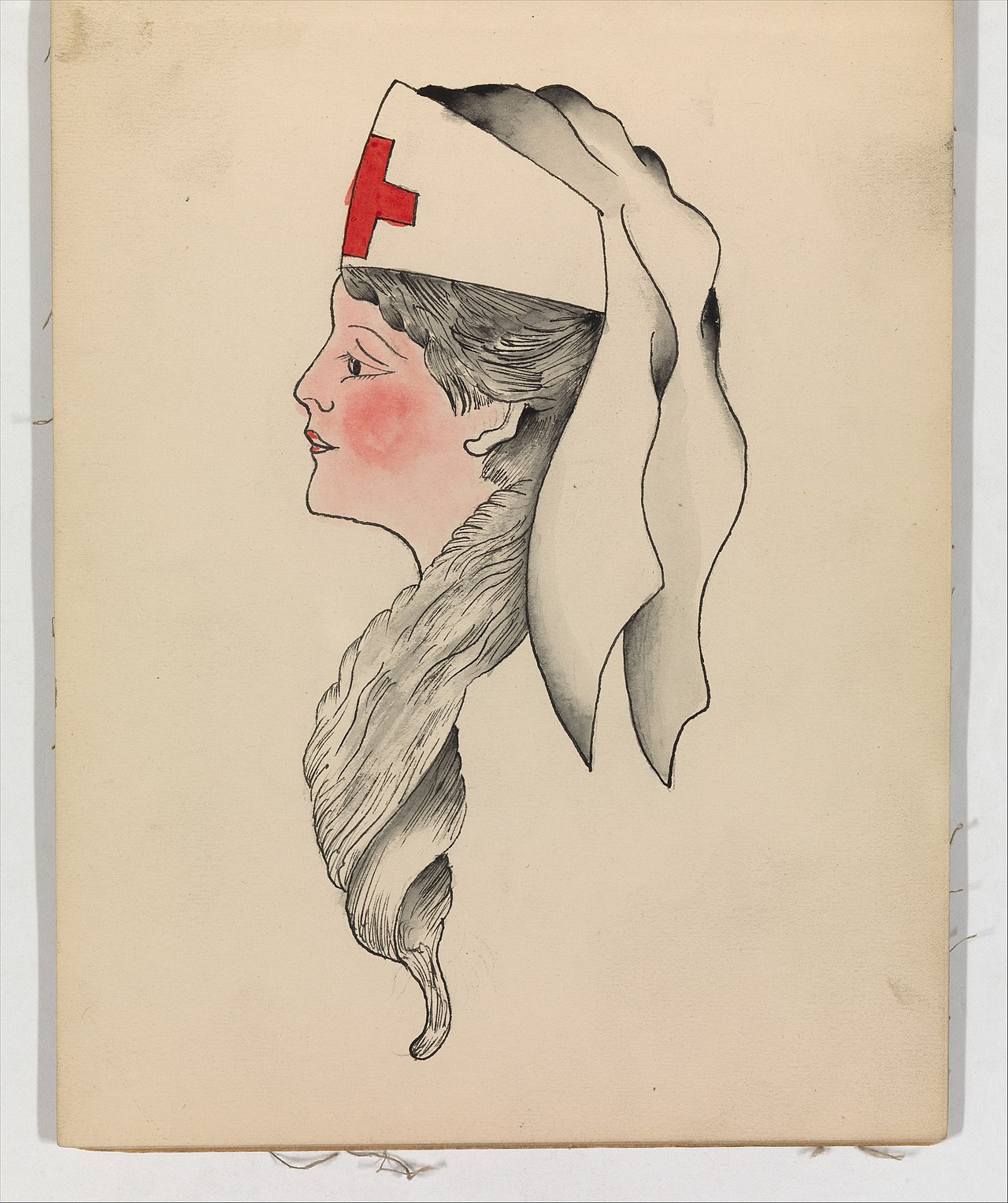
A tattoo flash, often called simply a flash, is a ready-made design used by tattoo artists as a template for a tattoo. Flashes are typically presented as individual images or assembled on larger sheets so clients can browse options in a shop. They are intended for general use rather than being bespoke art created specifically for one person, making them a practical choice for quick appointments and walk‑ins.
Image gallery
10 Images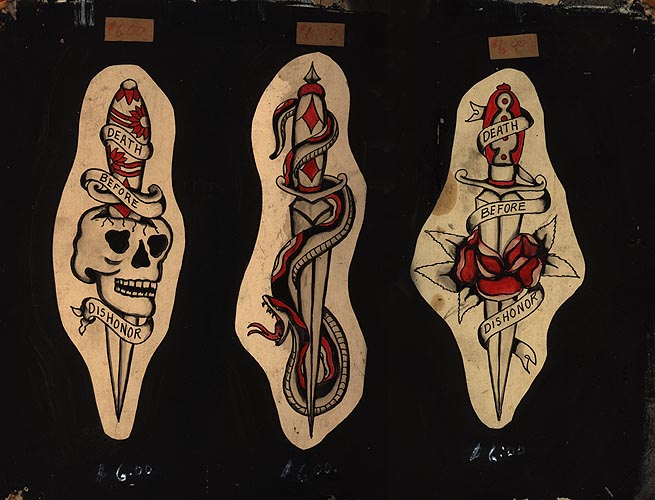




Designs, materials and transfer
Flash artwork ranges from simple black outlines to fully colored illustrations. Traditional flash styles include bold lines and solid fills that translate cleanly to skin; contemporary flashes may use finer shading or more intricate motifs. Artists will reproduce a chosen flash by tracing or printing a stencil, which is then transferred to the skin to guide the tattooing process.
- Common production methods: hand‑drawn sketches, printed sheets, or digital layouts.
- Transfer techniques: stencil paper, thermal transfer, or freehand tracing over the skin outline.
- Materials: ink, paper or card stock for sheets, and sometimes laminated displays.
Flash sheets and presentation
Flash designs are often grouped on sheets—single large pages that display several related motifs. These sheets make it easy for a client to compare designs and for a studio to display a catalog of options. In some studios, sheets are mounted on the wall; others use portfolios or digital galleries. Flash sheets can be thematic, organized by subject matter such as nautical, botanical, or script work.
History and cultural role
Flash designs have long been part of tattoo culture, particularly in traditions that emphasized bold, repeatable motifs. Historically, they allowed sailors, travelers and customers to select a design quickly while visiting a parlor. The practice supported a shared visual vocabulary among artists and clients and helped establish widely recognized symbols and motifs within tattooing communities.
Uses, customization and examples
Clients choose flash for convenience, cost-effectiveness, or because they prefer classic imagery. Many flashes include space for personalization—such as a banner for a name or room to add color or small details—so a standard design can be adapted without being entirely custom. Tattooists commonly adjust scale, placement, and minor elements to better suit the client’s body and preferences.
- Client selects a design from a sheet or catalog.
- Artist prepares a stencil or traces the image.
- Design is transferred and tattooed with any agreed adjustments.
Categories, distinctions and notable facts
Flashes are organized into categories such as hearts, animals, script, tribal or ornamental bands. They differ from custom tattoos in that they are reproducible and intended for multiple clients, yet a skilled artist can still make a flash feel unique through placement, shading and minor alterations. Flash culture also supports collectible art—many tattoo artists produce and trade flash sheets as part of their professional practice.
For more visual examples and resources, see a sample gallery: Flash examples, or browse suppliers and reproduction guides: Flash sheets and templates.
Questions and answers
Q: What is a flash in tattoo art?
A: A flash is a design or picture used to create a tattoo.
Q: What are flash sheets?
A: Flash sheets are sets of tattoo designs often seen in most tattoo shops.
Q: Are all flashes custom made?
A: No, some flashes are drawn for general use.
Q: Can personalization be included in flashes?
A: Yes, some flashes have space for personalization, such as including a name in the tattoo.
Q: What categories are flashes usually divided into?
A: Flashes are divided into categories such as celtic, heart, arm band tattoos, and more.
Q: How do people choose a tattoo design from a flash?
A: A person selects their favorite design from a flash to be used as the basis of their tattoo.
Q: How is a flash design transferred onto the skin for the tattoo?
A: A stencil is used to draw the basic design of the flash onto the skin of the person being tattooed.
Related articles
Author
AlegsaOnline.com Flash (tattoo): printed designs used for non‑custom tattoos Leandro Alegsa
URL: https://en.alegsaonline.com/art/35023