
Final Fantasy XII
Final Fantasy XII is a 2006 fantasy role-playing game for PlayStation 2 by Square Enix, set in the world of Ivalice and noted for its Gambit AI system, License Board progression, and later remaster The Zodiac Age.
Overview
Final Fantasy XII is a high-fantasy role-playing video game developed and published by Square Enix for the PlayStation 2 in 2006. The game takes place in the continent of Ivalice and combines an expansive world, political storytelling, and real-time strategic combat. It stands out within the franchise for shifting toward more open exploration and for introducing systems that emphasize planning and automation.
Image gallery
6 Images


Gameplay and systems
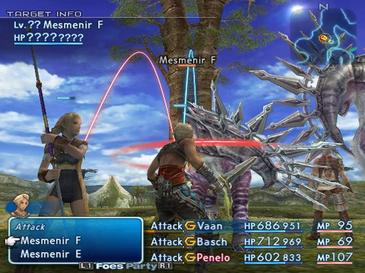
Combat happens in a persistent world without separate random-encounter screens, blending real-time movement with tactical control. The Gambit system lets players script party AI behaviors in a prioritized list, while the License Board is a grid-based progression that unlocks abilities, equipment, and stats for characters. Summons, varied weapons, and customizable jobs or licenses allow many playstyles.
- Gambit AI scripting for party automation
- License Board for character growth and equipment access
- Open-field battles without separate encounter screens
- Hunts and side quests that expand the world
Setting and characters
The story centers on a conflict between powerful empires and follows a cast including Vaan, Ashe, Balthier, Fran, Basch, and Penelo. Political intrigue, occupation, and the lives of ordinary people are recurring themes. The setting, Ivalice, had appeared in other Square Enix titles, connecting Final Fantasy XII to a broader fictional milieu.
Development and release
The game was produced during a period of design experimentation for the series; its soundscape was composed by Hitoshi Sakimoto and the project had a distinct creative vision under director Yasumi Matsuno. It shipped to strong commercial success and critical attention, and was later reissued and updated as Final Fantasy XII: The Zodiac Age, which incorporated additional job-focused systems from the Japanese international version.
Legacy and reception
Critics and players praised Final Fantasy XII for its worldbuilding, battle systems, and technical ambition, while some noted uneven pacing and differences in how protagonists are presented. The title influenced later RPG design by demonstrating how scripted AI and open encounter spaces can change player interaction. Fans continue to revisit the game through remasters, speedruns, and community guides, and resources remain available from long-running series coverage and retrospectives (more, platform history, genre context).
Related articles
Author
AlegsaOnline.com Final Fantasy XII Leandro Alegsa
URL: https://en.alegsaonline.com/art/34363