
Filippo Tommaso Marinetti: founder of Futurism and avant‑garde provocateur
Italian poet and writer Filippo Tommaso Marinetti (1876–1944) founded Futurism, promoting speed, technology, and artistic innovation; his work reshaped early 20th‑century European avant‑garde culture.
Overview
Filippo Tommaso Marinetti (born in Alexandria 21 December 1876 — died in Bellagio 2 December 1944) was an Italian poet, editor and polemicist best known as the instigator of Futurism. He organized artists, published manifestos and staged events that challenged established tastes and promoted a new aesthetic attuned to modern life.
Image gallery
4 Images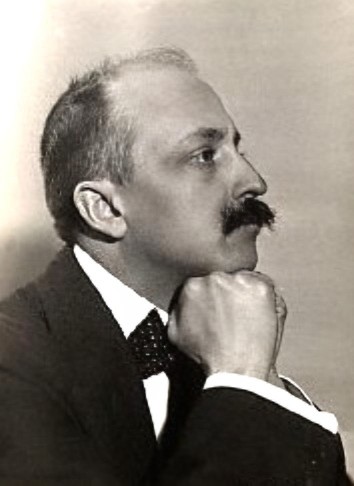
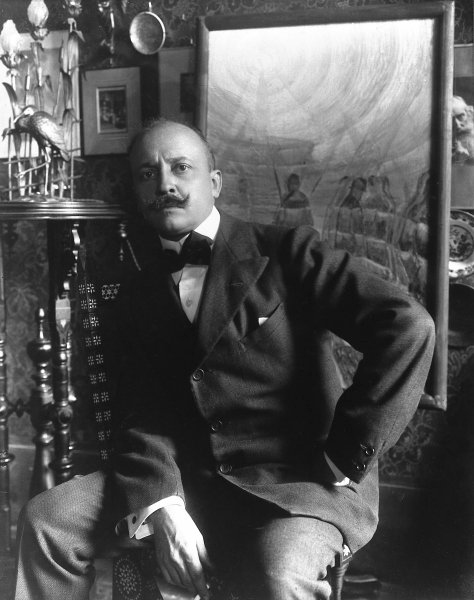


Core ideas and style
Marinetti championed themes of speed, machinery, violence as a cleansing force, and the rejection of historical nostalgia. He experimented with typography and linguistic form — notably the technique called parole in libertà ("words in freedom") — breaking syntax and layout to convey dynamism and sensory intensity.
Manifesto and activity
In 1909 Marinetti published the Futurist Manifesto in Paris, an intervention that attracted painters, sculptors, musicians and poets. He later produced bold, experimental texts such as Zang Tumb Tumb and staged provocative exhibitions, performances and rallies to promote the movement's aesthetic and political ambitions.
Influence and examples
- Collaborations with artists like Umberto Boccioni and Carlo Carrà reshaped painting and sculpture.
- Futurist ideas affected design, architecture and theater across Europe.
- Typographic innovations anticipated later concrete and visual poetry.
Legacy and controversies
Marinetti's legacy is mixed: his formal experiments influenced much of the 20th century's avant‑garde, yet his glorification of conflict and later alignment with nationalist politics provoked long debate. Scholars weigh his artistic contributions alongside the movement's ideological excesses when assessing his place in cultural history.
For further reading on Marinetti and the movement he founded, see general introductions to Futurism and collections of early 20th‑century manifestos that contextualize his work within European modernism.
Related articles
Author
AlegsaOnline.com Filippo Tommaso Marinetti: founder of Futurism and avant‑garde provocateur Leandro Alegsa
URL: https://en.alegsaonline.com/art/34313
Sources
- simple.wikisource.org : Uccidiamo il chiaro di luna!