
Fez, Morocco: Historic Imperial City and Cultural Center
Fez (Fes) is Morocco's second-largest city and a medieval imperial capital, renowned for its ancient medina, Qarawiyyin university, leather tanneries and vibrant craft traditions.
Fez (also spelled Fes) is the second-largest city in Morocco, long celebrated as a center of religion, learning and artisanry. Its population is around one million people (census estimates from 2010), and it has been a major urban centre since the early medieval period. Administratively it serves as the capital of the surrounding region and remains a focal point for culture and tourism.
Image gallery
10 Images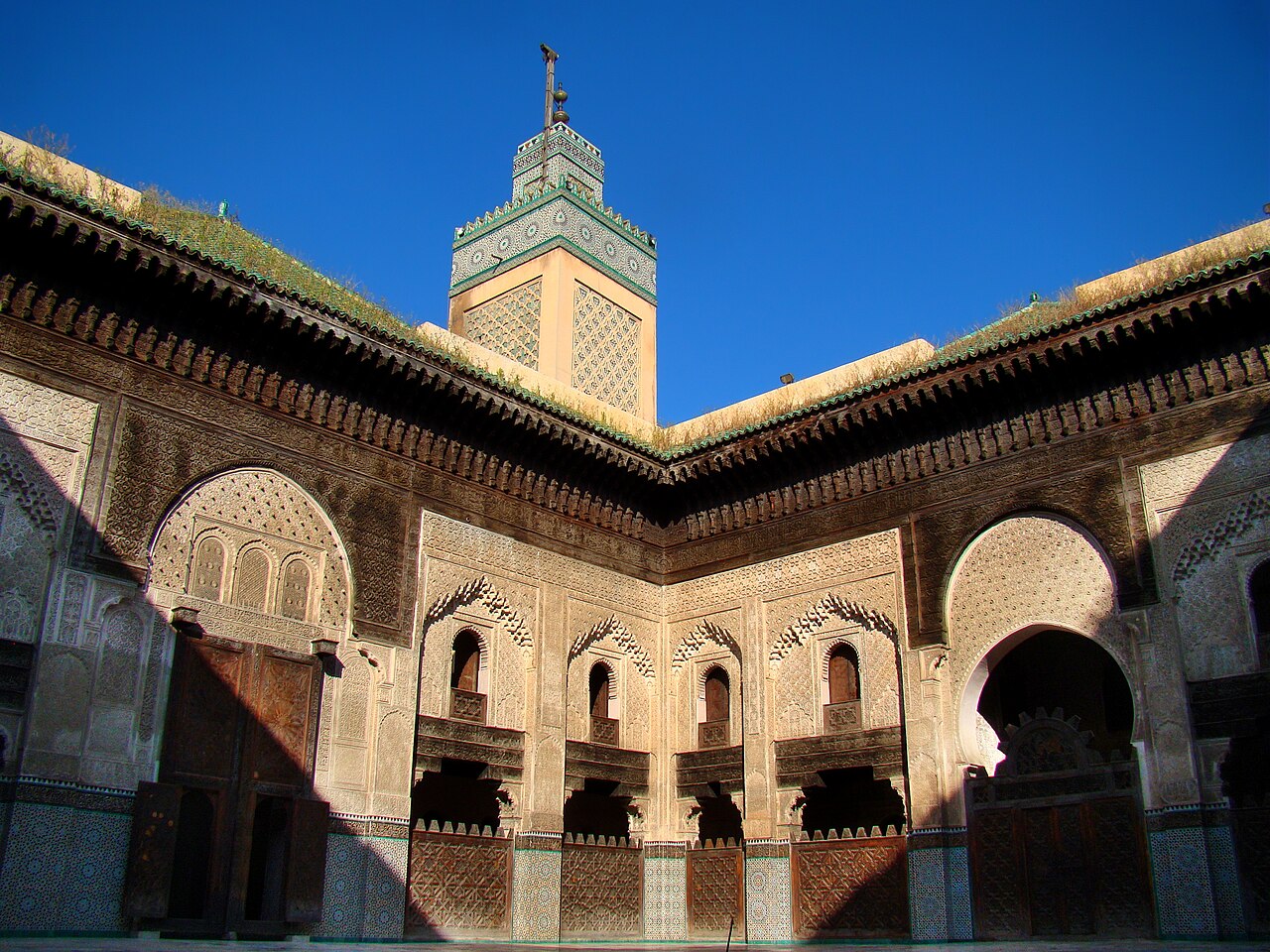




Founding and historical role
The city grew from settlements established in the late 8th and early 9th centuries and was expanded under early Moroccan rulers. Over the centuries Fez served frequently as a political capital under several dynasties and became a major hub for Islamic scholarship. The Qarawiyyin Mosque and university, founded in the 9th century, is often cited among the oldest continuously operating centres of higher learning in the world and helped define the city's intellectual reputation.
Medina, architecture and crafts
Fez is best known for its historic urban core, especially the medina called Fas el Bali, which is protected as a UNESCO World Heritage site (Fes el Bali). The medina comprises narrow, winding streets, old mosques, madrasas and dense residential quarters. Traditional crafts—including leather tanning, pottery, metalwork and textile weaving—have been practiced there for generations. The city’s tanneries, with their colorful dye pits and ancient techniques, are among the most photographed sights.
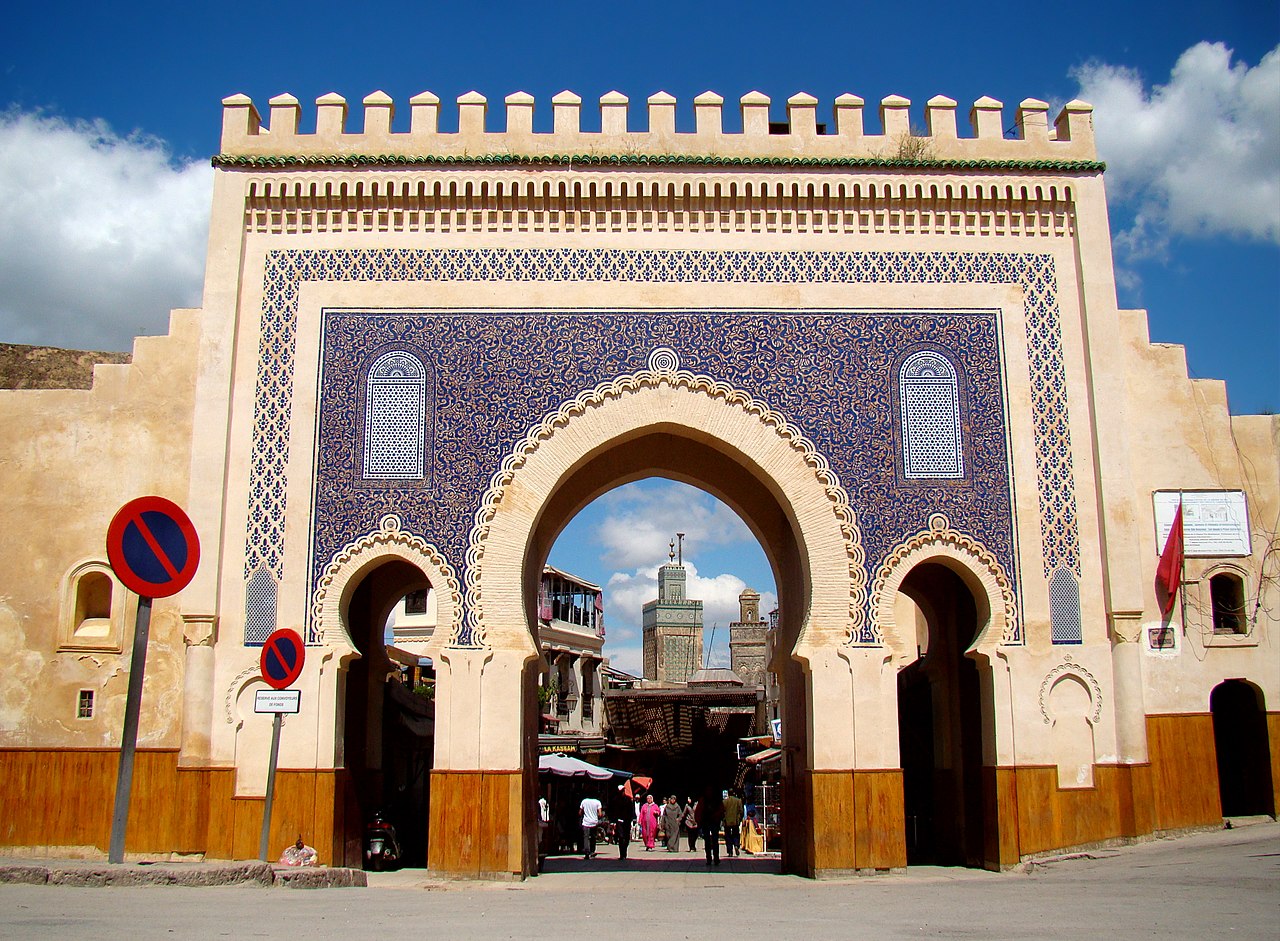
- Notable sites: the Qarawiyyin complex, medieval madrasas, the tanneries, and historic gates.
- Culture: longstanding craft guilds, religious festivals and contemporary arts events.
Fez has been described by travelers and scholars with honorifics such as the "Mecca of the West" and the "Athens of Africa" because of its religious importance and intellectual traditions. It is also one of Morocco’s four imperial cities, alongside Rabat, Marrakech and Meknes.
Today the city combines living heritage with modern sectors: higher education, cultural tourism and local industry remain important. Sports also play a role in city life—the local football club, MAS Fez, competes nationally and hosts matches at the Complexe Sportif de Fès (MAS Fez and stadium), a major venue for supporters.
Visitors and scholars come to Fez to explore its layered history, study traditional crafts, and experience a medina that retains an unusually high degree of historic fabric. Its mixture of monuments, active neighborhoods and continuing artisanal production gives Fez a distinctive character among North African cities.
Questions and answers
Q: What is Fez?
A: Fez is the second largest city of Morocco and the former capital.
Q: How many people lived in Fez in 2010?
A: Approximately 1 million people lived in Fez in 2010.
Q: What is the nickname of Fez?
A: Fez has been called the "Mecca of the West" and the "Athens of Africa".
Q: Which region is Fez the capital of?
A: Fez is the capital of the Fès-Boulemane region.
Q: Which other cities in Morocco are considered imperial cities?
A: The other Moroccan imperial cities are Rabat, Marrakech, and Meknes.
Q: What is the name of the UNESCO World Heritage Site in Fez?
A: The UNESCO World Heritage Site in Fez is called "Fas el Bali".
Q: Does Fez have a football team?
A: Yes, Fez has a football team called MAS Fez. They play in the highest tier of the Moroccan football system, the Botola, and play their home matches at the 45,000 seat Complexe Sportif de Fès stadium.
Related articles
Author
AlegsaOnline.com Fez, Morocco: Historic Imperial City and Cultural Center Leandro Alegsa
URL: https://en.alegsaonline.com/art/34142
Sources
- commons.wikimedia.org : Fes
- hcp.ma : Morocco 2004 Census
- riad-hp.com : History of Fes
- izmir-yerelgundem21.org.tr : "Sister cities of İzmir (1/7)"
- cm-coimbra.pt : "Acordos de Geminação"
- cm-coimbra.pt : Câmara Municipal de Coimbra
- krakow.pl : "Kraków otwarty na świat"