
Fervaques — former commune in Calvados, Normandy
Fervaques was a small rural commune in Calvados, northwest France; on 1 January 2016 it was merged into the new commune of Livarot-Pays-d'Auge during a territorial reorganisation.
Overview
Fervaques is a locality in northwestern France that formerly held the status of commune. It lies within the historical area of Normandy and was administratively part of the Calvados department. As an administrative entity it is described in French records as a former commune. On 1 January 2016 Fervaques was incorporated into the larger commune of Livarot-Pays-d'Auge as part of a national process to combine small municipalities.
Image gallery
1 Image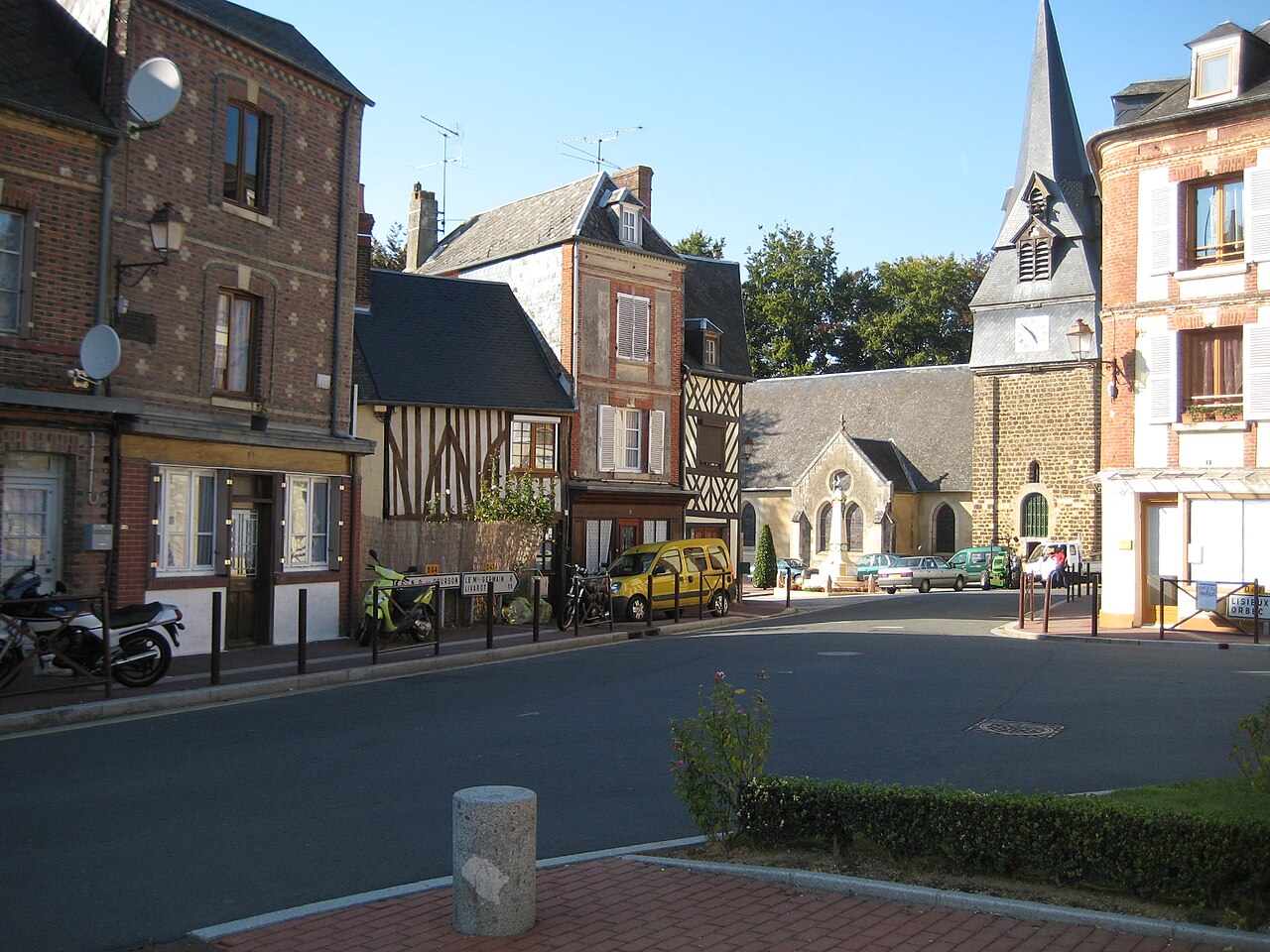
Location and character
Geographically Fervaques sits in the Pays d'Auge area of the broader region formerly known as Basse‑Normandie, an area noted for rolling pastures, apple orchards and hedged farmland. The landscape and local buildings typically reflect rural Norman traits: small farms, stone or timber-framed houses, and a modest parish church. The setting is representative of the agricultural heartland of France.
History and administration
Like many small French communes, Fervaques experienced administrative change in the 2010s when national and departmental authorities encouraged mergers to improve public services and reduce administrative fragmentation. The merger that created Livarot-Pays-d'Auge grouped several neighbouring communes to form a single municipal administration while preserving local identities as delegated localities.
Economy and local importance
The economy of the area has traditionally depended on mixed farming, dairy production and orcharding typical of the Pays d'Auge. This part of Normandy is well known for dairy cheeses and cider-related products; such regional specialities shape local agricultural practice and tourism. Visitors are often drawn by rural scenery, local gastronomy and small‑scale heritage sites.
Notable facts
- Fervaques no longer functions as an independent commune but remains a named locality within a larger municipality.
- Its merger illustrates wider territorial reforms in France aimed at strengthening municipal management.
- For administrative references and historical records, consult regional or departmental sources linked above.
Further administrative or historical details can be found through official departmental records and local guides: see the links provided for regional context and the new commune administration.
Related articles
Author
AlegsaOnline.com Fervaques — former commune in Calvados, Normandy Leandro Alegsa
URL: https://en.alegsaonline.com/art/34105
Sources
- legifrance.gouv.fr : Arrêté préfectoral