
Femininity: concepts, cultural history, and modern perspectives
An overview of femininity as a cluster of social and biological traits, its cultural variation, historical shifts, contemporary expressions, critiques, and intersections with identity and power.
Overview
Femininity describes a cluster of attributes, behaviors, roles and styles commonly associated with girls and women in many societies. It is shaped by social conventions, cultural meanings and biological characteristics, but it does not map neatly onto a single sex or identity: people of different sexes and gender identities may present or identify as feminine. As a concept, femininity can refer to personal identity, public performance, social expectation or symbolic representation.
Image gallery
10 Images


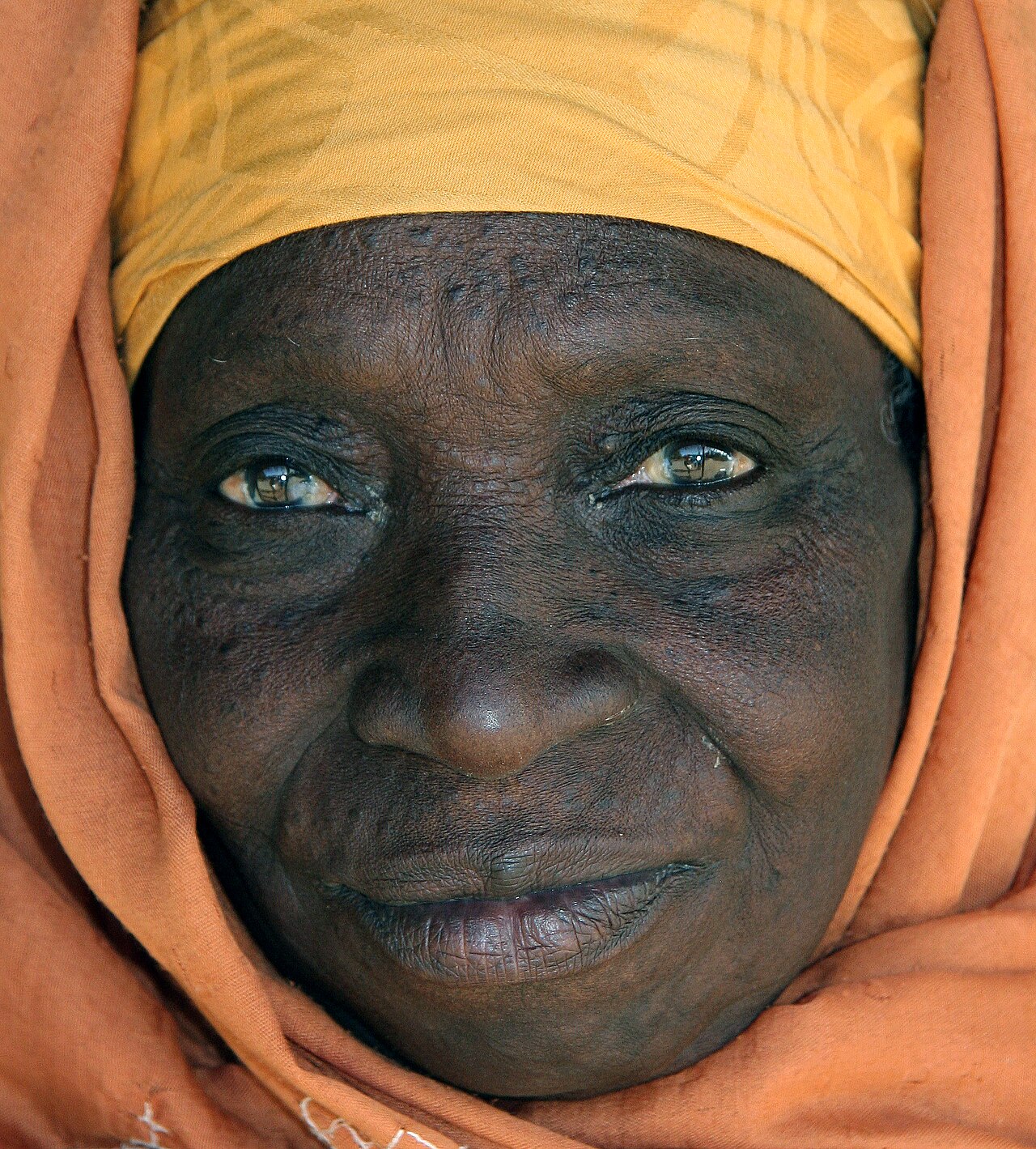
Definitions and scope
Definitions of femininity vary by discipline. In social sciences it is often treated as part of gender—learned norms and roles—whereas some medical or biological descriptions point to traits that commonly differ between sexes. Most contemporary writers emphasize that femininity is neither entirely innate nor entirely learned; it is produced through interaction between bodies, culture and institutions. For historical and comparative perspective, see general surveys and gender history resources.
Biological and social factors
Certain physical characteristics, such as secondary sexual traits, have been associated with femininity in many cultures; examples frequently noted include breast development, patterns of body fat distribution and typically higher-pitched voice timbre. These associations are descriptive rather than prescriptive: biological traits may influence how others perceive someone, but they do not determine personality, interests or moral worth. Socialization, family expectations, education and media play large roles in constructing and transmitting feminine norms. For health and developmental context, see medical and developmental overviews and broader analyses at gender and transgender sources.
Historical and cultural variation
What is considered feminine has changed across time and place. Clothing, grooming, colors and behaviors that mark femininity in one era or culture may mean something else elsewhere. For example, the association of particular colors with girls or boys has shifted historically, and garments such as skirts, makeup or jewelry have had different gendered meanings in different societies. Comparative and cultural studies provide examples and debate; useful starting points include cultural studies overviews and fashion histories at fashion and media analyses.
Expressions and everyday practices
Expressions of femininity range from dress and grooming to speech patterns, body language and caregiving roles. Some people adopt feminine presentation as a chosen identity, others as a social expectation. In workplaces, schools and media, feminine norms influence interaction, opportunities and representation. Industries such as fashion and beauty often capitalize on and shape ideals of femininity. For analyses of representation and policy implications see advocacy summaries and policy guides.
Critiques, movements and theory
Feminist, queer and critical race scholars have interrogated narrow or prescriptive models of femininity. Critiques emphasize how restrictive ideals can limit economic, political and personal freedom, and how norms intersect with race, class, sexuality and ability to produce uneven expectations. Alternative frameworks propose plural, inclusive and self-determined forms of femininity. For theoretical introductions and critiques consult introductory texts.
Intersectionality and diversity
Expectations about femininity are mediated by other identities. Class, ethnicity, age, religion and regional culture influence which practices are available, accepted or valorized. Understanding femininity therefore requires attention to power relations and to the diverse experiences of women, transgender people, non-binary people and men who present as feminine. Comparative resources and community materials can help situate these differences; see identity studies and community guides at advocacy and educational resources.
Practical implications and further reading
In everyday life, femininity can be a source of personal expression, social belonging or constraint. It matters for personal identity, workplace norms, media representation and public policy. Ongoing debates address how to balance respect for diverse gender expressions with efforts to dismantle unequal expectations and discrimination. For accessible overviews, research collections and community reading lists, consult additional resources at further reading.
- Key point: Femininity is a flexible, culturally mediated set of practices and meanings, not an innate or fixed quality confined to one sex.
- Key point: Biological traits may contribute to perceptions but do not fully explain gendered behavior or identity.
- Key point: Questions of power, representation and inclusion are central to contemporary discussions of femininity.
Related articles
Author
AlegsaOnline.com Femininity: concepts, cultural history, and modern perspectives Leandro Alegsa
URL: https://en.alegsaonline.com/art/33955