
Fauquembergues — commune in Pas-de-Calais, northern France
Fauquembergues is a small French commune in Pas-de-Calais, known for its rural setting, local heritage, and proximity to Saint-Omer. It lies in the Hauts-de-France area formerly called Nord-Pas-de-Calais.

Fauquembergues is a small commune in the Pas-de-Calais department. It sits within the broad northern plain of France and is part of the modern administrative region often referenced as Hauts-de-France, historically associated with Nord-Pas-de-Calais. The town exemplifies the modest market settlements of the region: a compact historic centre surrounded by agricultural land and minor roads linking it to larger towns.
Image gallery
2 Images
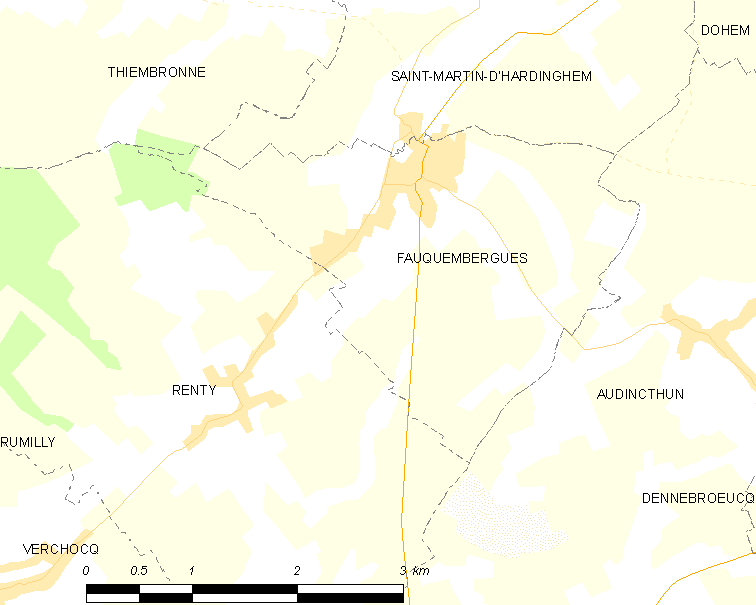
Characteristics and landscape
Fauquembergues occupies a gently rolling landscape typical of the region, with fields, hedgerows and small watercourses. Local architecture combines traditional northern French houses and a parish church that anchors the town centre. The commune is part of the wider Pas-de-Calais department and benefits from the rural amenities and community life common to villages in northern France.
History and name
The settlement has medieval roots and its name reflects the linguistic influences of the area. The element "-bergues" or "-berg" appears in many local place-names and generally refers to a hill or fortified place; the first element likely stems from old Germanic or Flemish origins. Over centuries Fauquembergues developed as a local market and administrative point for surrounding farms rather than as a large urban centre.
Economy, culture and notable sites
Today the local economy is largely agricultural, complemented by small businesses and services serving residents and visitors. Cultural life typically revolves around municipal events, church festivals and communal activities. Points of interest often mentioned by visitors include:
- a historic church and parish square
Administration and practical information
As a French commune it is governed by a municipal council and mayor within the structures of the departmental authorities. It lies in the north of France and is accessible from nearby towns by regional roads and local transport, reflecting its role as a quiet residential and farming centre in northern France. For visitors or those researching local history, municipal records and regional tourism offices provide more detailed information.
Related articles
Author
AlegsaOnline.com Fauquembergues — commune in Pas-de-Calais, northern France Leandro Alegsa
URL: https://en.alegsaonline.com/art/33674