
Fallon, Nevada
Fallon is a small city in western Nevada, county seat of Churchill County, known for irrigated agriculture in the Lahontan Valley and for nearby Naval Air Station Fallon, a U.S. Navy training center.
Overview
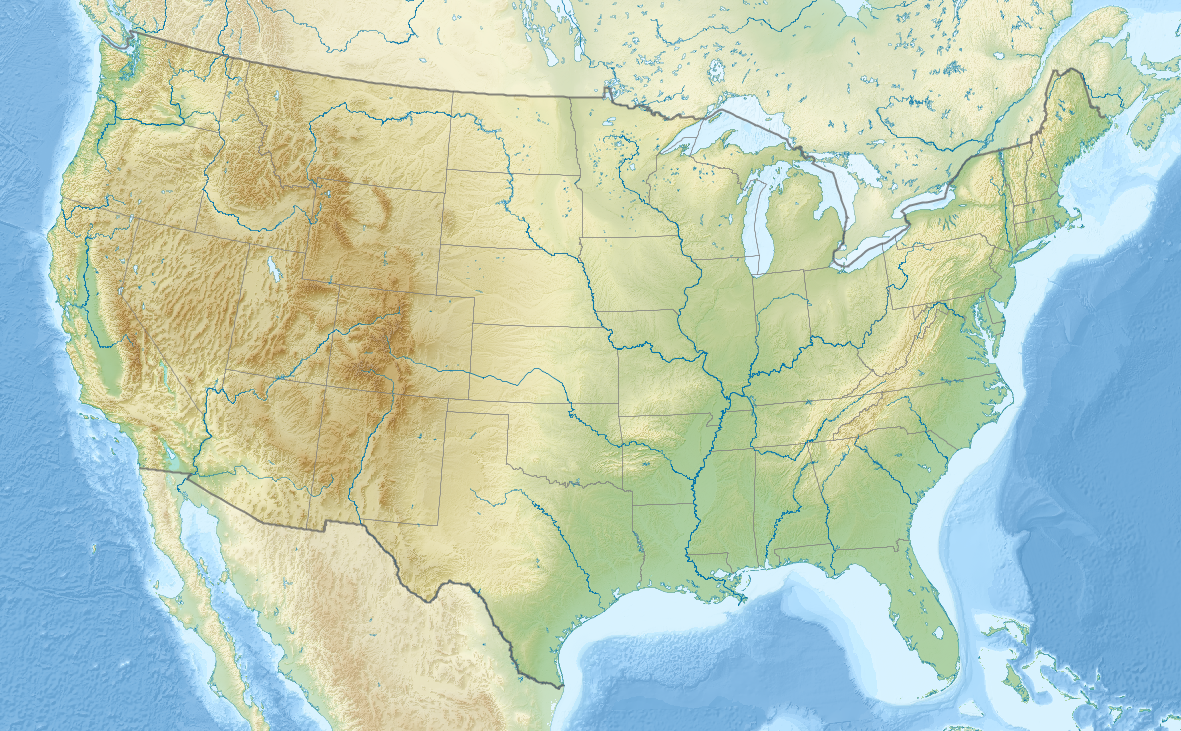
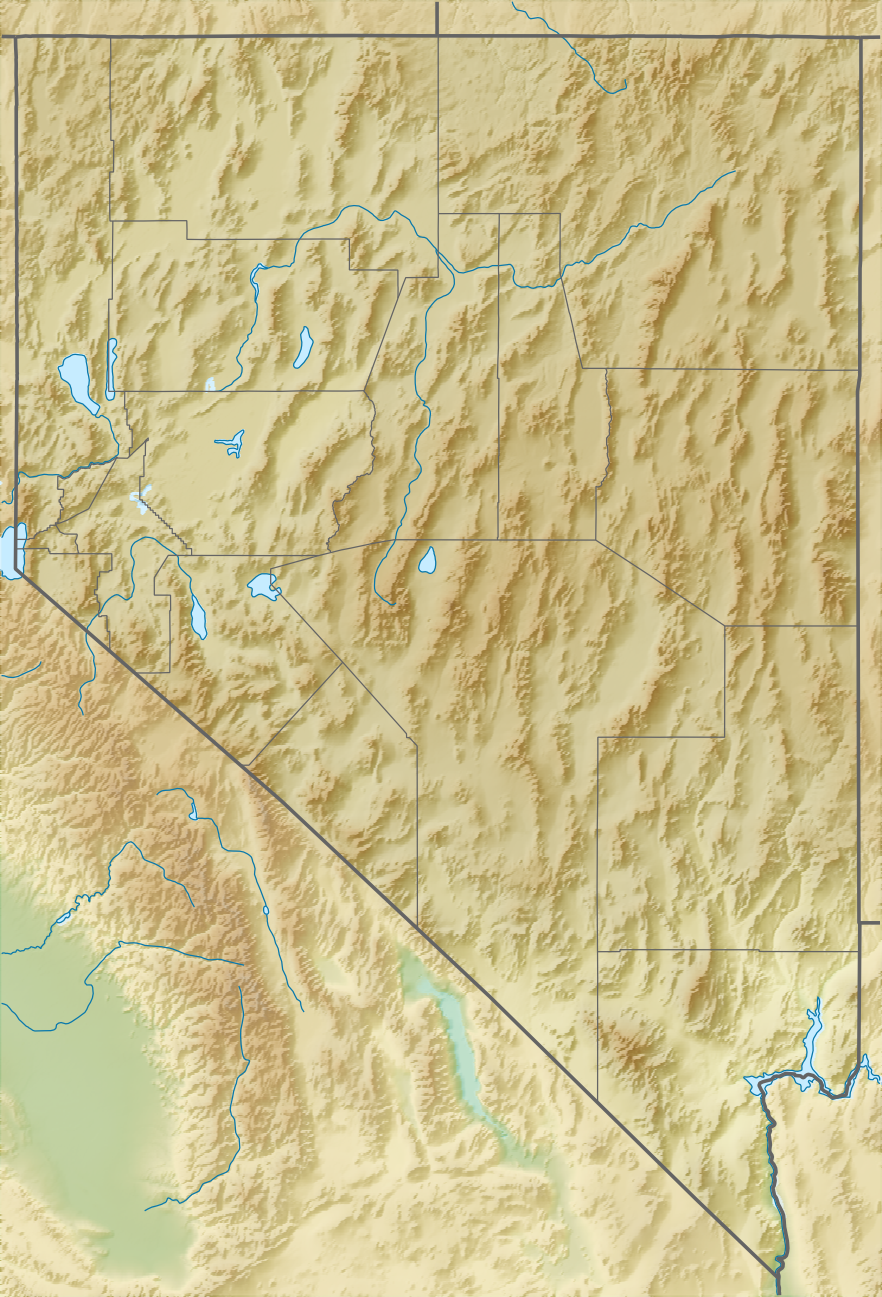
Fallon is a city in western Nevada that serves as the county seat of Churchill County. Located in the Lahontan Valley, it had a population of about 8,606 at the time of the 2010 census. The community acts as a local hub for agriculture, services and military activity in an otherwise sparsely populated region of Nevada.
Image gallery
3 Images
Geography and climate
Set on high desert plains, Fallon lies within the broad, flat Lahontan Valley. The area is irrigated and fringed by seasonal wetlands and wildlife refuges, which contrast with the surrounding arid landscape. Summers are typically hot and dry while winters can be cool; precipitation is limited, so irrigation plays a central role in local land use.
History and development
Fallon grew from frontier settlement into an agricultural town after irrigation projects opened valley lands for farming in the early 20th century. Federal reclamation and regional irrigation systems helped transform saltbush steppe into productive fields for hay, grains and pasture. The city later expanded services and infrastructure to support its farming economy and nearby military installations.
Economy and culture
Agriculture remains a major employer, with alfalfa, grains and livestock common in the surrounding farmland. The presence of Naval Air Station Fallon brings military personnel, contractors and family-oriented services to the local economy. Annual community events, local museums and outdoor recreation around wetlands and desert terrain contribute to civic life.
Notable facts and links
- Fallon is the county seat of Churchill County and functions as the administrative center for the region (county seat).
- Naval Air Station Fallon, nearby, is a significant training facility for naval aviation and supports the local economy and identity.
- Surrounding wildlife refuges and irrigated farmland create a mix of ecological importance and agricultural productivity.
As a small city with ties to both farming and national defense, Fallon illustrates how water management, transportation and military investment shape communities in the Great Basin. For more detailed local resources see municipal and county pages linked above.
Related articles
Author
AlegsaOnline.com Fallon, Nevada Leandro Alegsa
URL: https://en.alegsaonline.com/art/33380
Sources
- factfinder2.census.gov : "Geographic Identifiers: 2010 Demographic Profile Data (G001): Fallon city, Nevada"
- naco.org : "Find a County" · web.archive.org