
Falun, Sweden — historic mining town and cultural center
Falun is a Swedish city in Dalarna known for its historic copper mine, distinctive red paint, industrial heritage, sports facilities and cultural landmarks; its mine is a UNESCO site.
Falun is a town in the county of Dalarna in Sweden. It serves as the administrative centre of Falun Municipality and has long been defined by mining, forestry and later by cultural and sporting activities.
Image gallery
10 Images


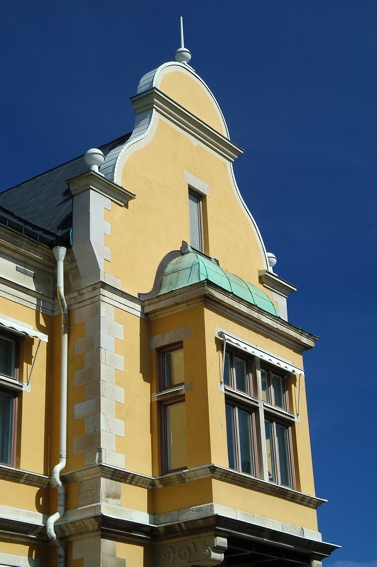

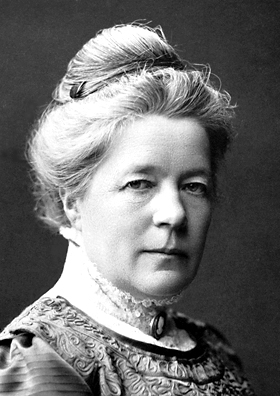
Overview
Falun grew up around a large copper mine whose operations shaped the town's economy, architecture and identity for many centuries. Today the mine area, its buildings and surrounding industrial landscape form one of Sweden's most important heritage sites and attract visitors interested in industrial history.
History and the mine
The Falu Mine (Falu gruva) was once among the most productive copper sources in Europe and played a significant role in Sweden's early-modern economy. Mining activity left a visible imprint on the local environment and produced by-products that became locally important, notably the pigment known as Falu rödfärg (Falu red), widely used on wooden houses across Sweden.
Characteristics and landmarks
- The Great Pit and preserved mine buildings — core elements of the industrial landscape.
- Mining museum and visitor trails that explain extraction techniques and social history.
- Lugnet sports complex and ski facilities that host national and international competitions.
Culture, sport and modern life
Beyond its industrial past, Falun hosts cultural events, museums and educational institutions, including a campus of the regional university. Winters are well-suited to Nordic skiing and the town has been part of venues proposed in bids for major winter sports events. The combination of heritage tourism, education and outdoor recreation defines much of Falun's contemporary appeal.
Significance and distinctions
In recognition of its historical importance, the mining landscape around Falun is protected as a UNESCO World Heritage site. The town's red paint tradition, its mining museum and the dramatic pit remain widely cited examples of how extractive industries shaped regional identity and built heritage in northern Europe.
Related articles
Author
AlegsaOnline.com Falun, Sweden — historic mining town and cultural center Leandro Alegsa
URL: https://en.alegsaonline.com/art/33422