
Fallsburg, New York
Fallsburg is a town in Sullivan County, New York, in the Catskills. It combines year‑round residential life, a legacy of summer resorts, outdoor recreation and small‑town services.
Overview
Fallsburg is a town in Sullivan County, New York, in the Catskills region of the United States. Its community includes a mix of year‑round residents, seasonal visitors and small businesses. For general reference see the town page: Fallsburg, the county: Sullivan County, the state: New York, and the country: United States.
Image gallery
3 Images

Geography and settlement
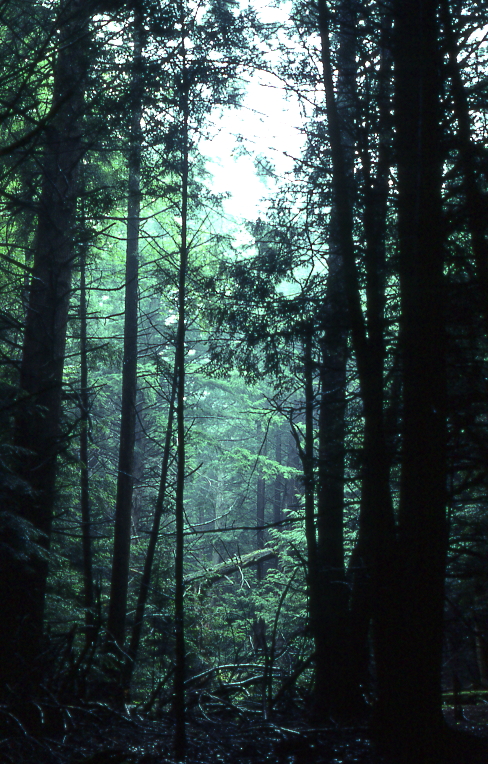
Located in a largely forested, hilly portion of the Catskill Mountains, Fallsburg is typical of many upstate New York towns with a blend of wooded land, small waterways and developed village centers. The town contains several hamlets and small villages that serve as local hubs for shops, houses of worship and community services.
History and development
Like many towns in the Catskills, Fallsburg developed from rural settlement into a popular summer destination during the 20th century. It became part of the region popularly known for resort hotels, bungalow colonies and cultural life that catered to urban visitors seeking summer respite. Over time the resort economy shifted, producing a mix of preserved historic sites, converted properties and newer residential uses.
Government, economy and community life
Fallsburg is governed under New York's town system, with locally elected officials and boards overseeing services such as roads, planning and parks. The local economy relies on a combination of hospitality and tourism, small retail businesses, service industries and residents who commute to larger employment centers. The population reflects both multi‑generational families and those who maintain seasonal homes.
Attractions, recreation and notable facts
The town offers outdoor recreation typical of the Catskills: hiking, fishing, community events and seasonal festivals. Visitors and residents value historic resort-era architecture, local cultural institutions and access to regional trails and waterways. Notable hamlets and centers within or associated with the town include:
- South Fallsburg
- Hurleyville
- Woodbourne
Fallsburg's character is shaped by its dual role as a home for year‑round life and as part of a broader Catskills destination area. Those seeking more detailed local information often consult municipal resources, regional tourism guides and county records for planning, history and events.
Related articles
Author
AlegsaOnline.com Fallsburg, New York Leandro Alegsa
URL: https://en.alegsaonline.com/art/33394