
Ethernet: local network technology, design, evolution, and uses
Ethernet is a family of wired networking technologies widely used for local area networks (LANs). This article explains how Ethernet works, its development, common variants, and practical applications.
Overview
Ethernet is a dominant set of standards and technologies for connecting devices on a local area network. It defines how data is formatted, addressed and transmitted over a wired medium so multiple devices can communicate reliably. Ethernet is used in homes, offices, data centers and industrial sites to carry most wired network traffic.
Image gallery
10 Images




Basic principles
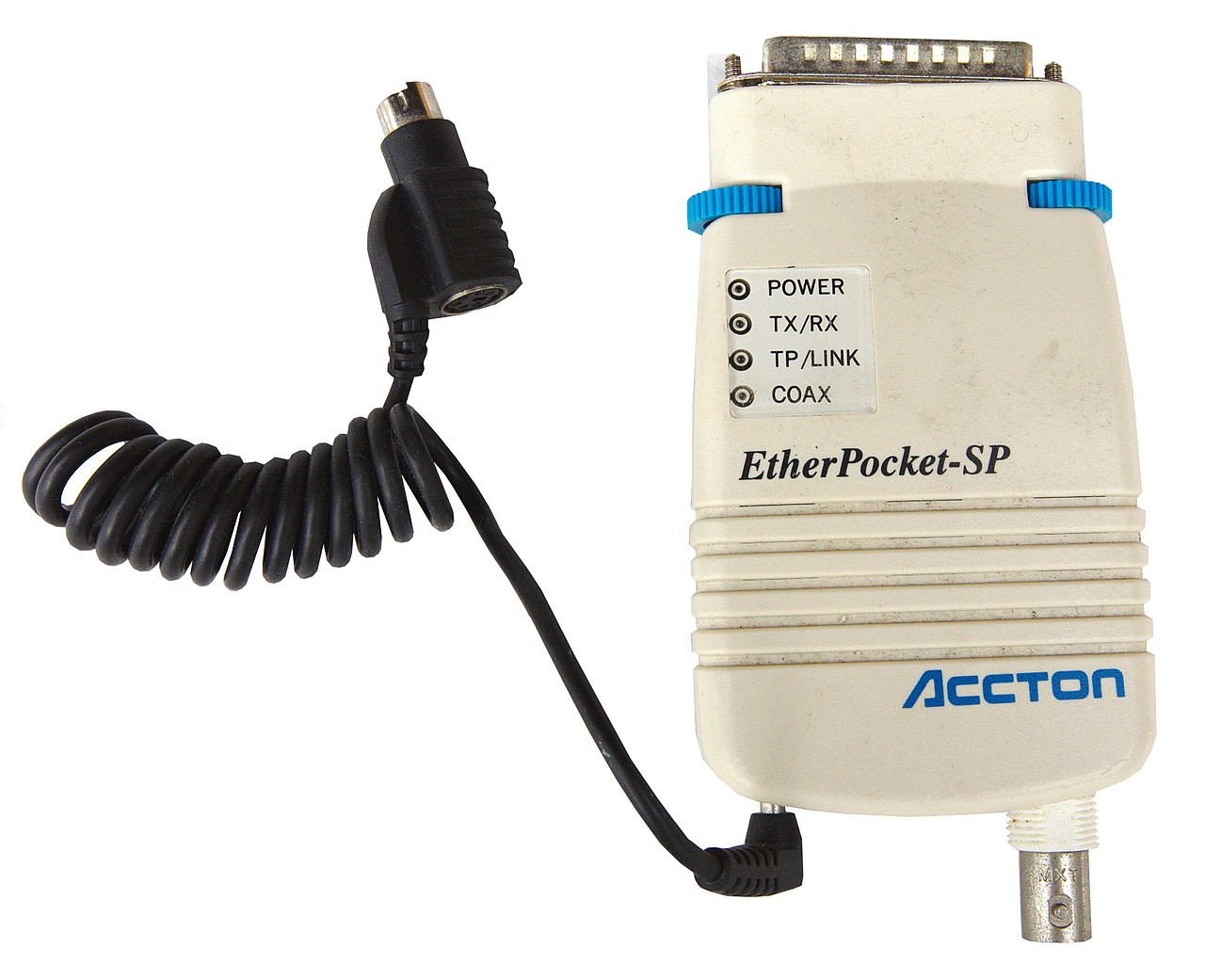
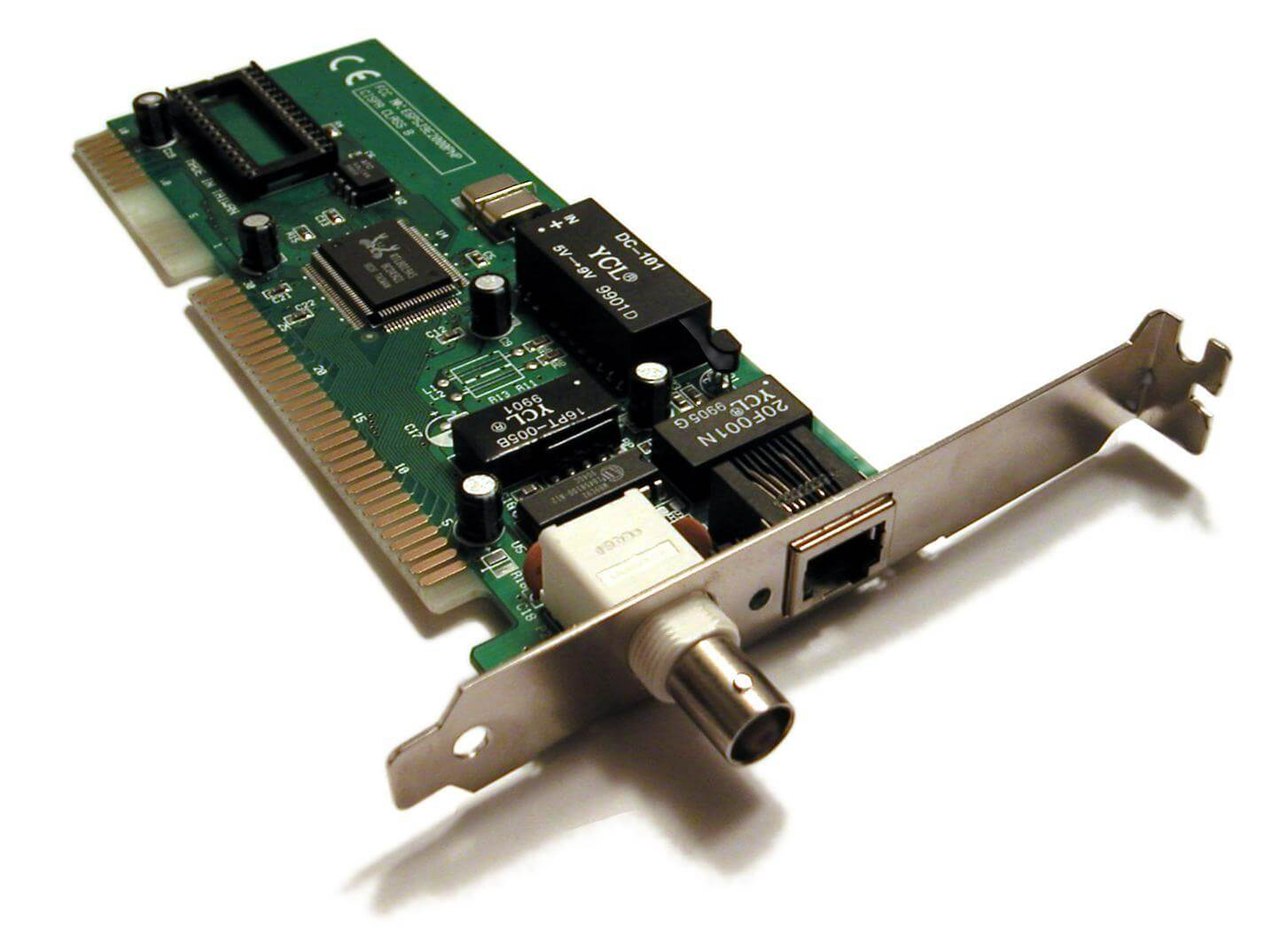
At its core Ethernet organizes data into discrete packets called frames. Each frame carries source and destination hardware addresses, a payload, and an error-check field. Historically Ethernet networks were shared media where any attached device could attempt to transmit; when two devices transmitted simultaneously a collision could corrupt the data. Early Ethernet used a contention protocol known as Carrier Sense Multiple Access with Collision Detection (CSMA/CD) to detect collisions and schedule retransmissions. Modern deployments typically use network switches and point-to-point links, which eliminate collisions and allow full-duplex operation.
Physical media and common speeds
Ethernet has been defined to operate over different cable types and optical fiber, and it has evolved through multiple standardized speed grades. Common link speeds include:
- 10 megabits per second (legacy)
- 100 megabits per second (Fast Ethernet)
- 1 gigabit per second (Gigabit Ethernet)
- 10, 25, 40, 100 gigabit and higher variants used in modern data centers
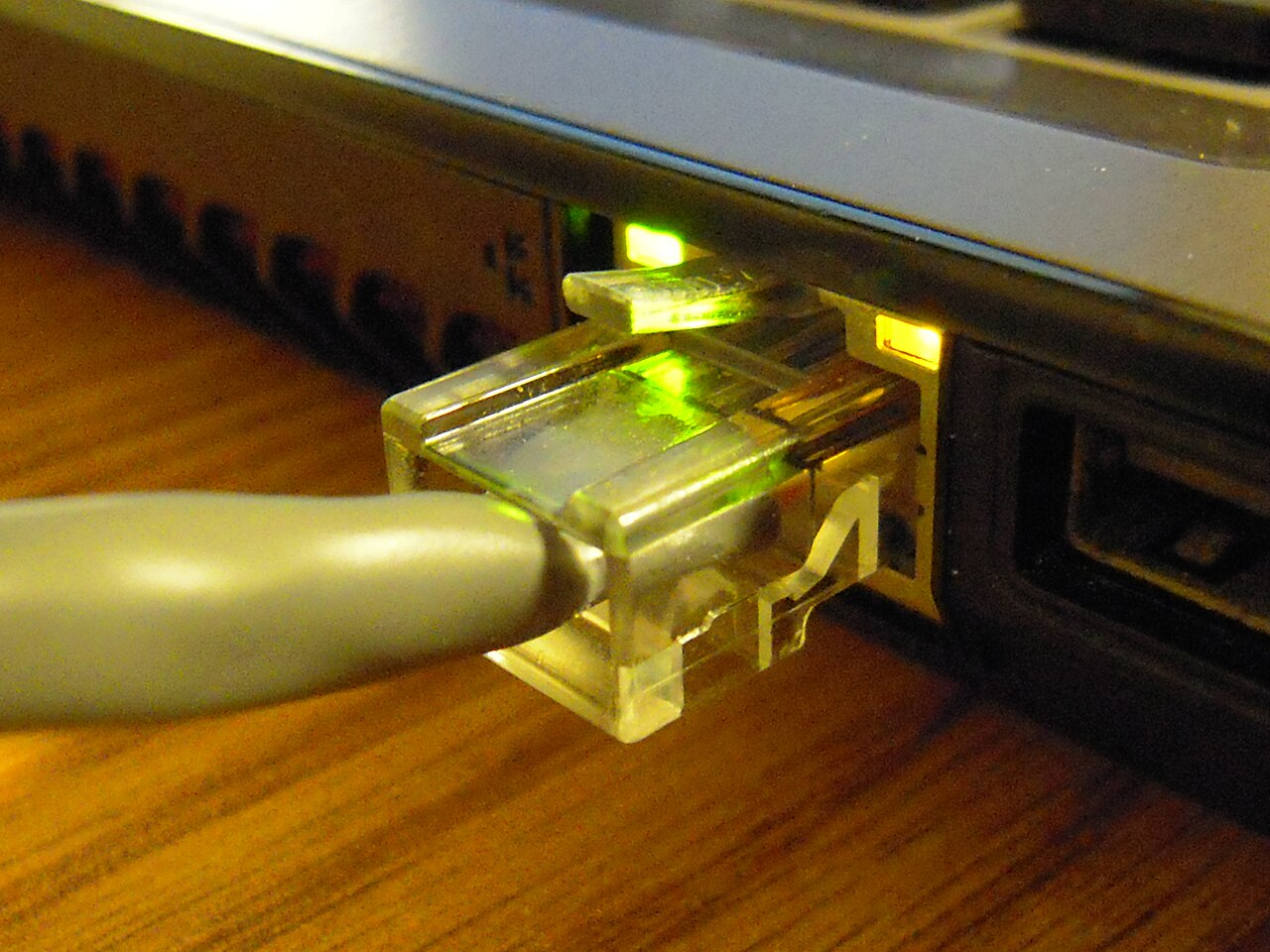
Physical connectors and cabling range from twisted-pair copper (commonly used for desktop and office connections) to multimode and single-mode fiber for longer runs and higher speeds.
History and standardization
Ethernet began as a research project in the 1970s and was later standardized by the IEEE as the 802.3 family. Since the 1990s it has been the predominant wired LAN technology worldwide. Over time the standard expanded to support higher speeds, improved error handling, power delivery over cabling (Power over Ethernet), and mechanisms for network segmentation and management.
Practical operation and variants
In switched Ethernet, each device typically connects to a switch port; the switch forwards frames toward their destination using address tables, reducing unnecessary traffic. Full-duplex operation lets two endpoints send and receive simultaneously, removing the need for collision handling. Other variants and extensions support virtualization, quality of service, link aggregation, and time-sensitive networking for industrial or audio/video applications.
Uses, advantages and distinctions
Ethernet is prized for its simplicity, scalability, and cost-effectiveness. It supports a wide range of applications from simple home Internet access to large-scale data center fabrics. Compared with wireless technologies (Wi-Fi), wired Ethernet generally offers lower latency, higher sustained throughput and more predictable performance. Historically it displaced alternative LAN technologies such as Token Ring by offering a simpler, lower-cost design and faster speeds as silicon and cabling improved.
Further reading
For an introduction to local networks see local area network. For more about Ethernet’s technical development and timeline see Ethernet history and standards.
Related articles
Author
AlegsaOnline.com Ethernet: local network technology, design, evolution, and uses Leandro Alegsa
URL: https://en.alegsaonline.com/art/32377