
Amasya (city in northern Turkey)
Amasya is a historic city in northern Turkey, capital of Amasya Province, noted for its cliffside royal tombs, well-preserved Ottoman houses along the Yeşilırmak valley, and its cultural and historical importance.
Overview
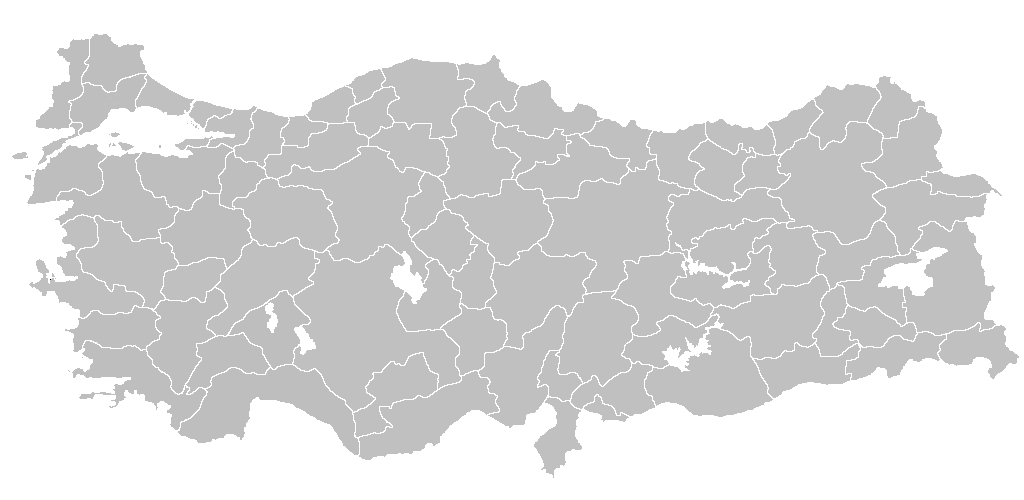
Amasya is a provincial capital in northern Turkey, set in a steep valley cut by the Yeşilırmak River and framed by forested hills toward the Black Sea coast. The city combines a long recorded history with pastoral surroundings and remains a regional center for administration, education and tourism. Its population in the early 2010s was roughly 134,000 (2013).
Image gallery
10 Images


Geography and character
Amasya occupies a narrow, scenic river valley where dramatic rock faces rise above the town. The local climate reflects Black Sea influences, bringing relatively wet winters and warm summers moderated by inland continental patterns. The urban fabric preserves traditional wooden Ottoman houses that cling to the valley slopes and line the riverfront, creating a distinctive riverside silhouette.
History and heritage
Known in antiquity as Amaseia, the city has roots in Hellenistic and Roman times and later formed part of the Byzantine and Ottoman realms. It was the birthplace of the geographer Strabo and retains archaeological remains and classical associations. During the Ottoman period Amasya served as an important provincial center and at times was used to educate or govern members of the ruling elite.
Architecture, sites and culture
Major sights include the rock-cut tombs of ancient rulers carved into the cliff above the river, a hilltop citadel with panoramic views, and well-preserved Ottoman mansions along the water. Museums exhibit artifacts from Pontic, Roman and Ottoman periods. The city is also famous for its apples and local cuisine, which reflect rural Anatolian traditions.
Economy and tourism
Amasya’s economy mixes public services, agriculture (notably fruit cultivation), and a growing tourism sector attracted by history, architecture and scenic landscapes. Visitors often combine archaeological sites, walking along the Yeşilırmak, and sampling regional foods.
Notable facts
- The rock tombs and Ottoman urban ensemble are widely photographed and are key to the city’s cultural identity.
- The Amasya Circular of 1919 is an important document in modern Turkish history, and the city is commemorated for its role in the national movement.
- Prominent historical figures associated with Amasya include the geographer Strabo.
Related articles
Author
AlegsaOnline.com Amasya (city in northern Turkey) Leandro Alegsa
URL: https://en.alegsaonline.com/art/3237