
Essenes: Jewish sect of the Second Temple period
A Jewish sect active in the late Second Temple era, known for communal living, strict purity rules, ascetic practices, apocalyptic beliefs, and a likely connection to the Dead Sea Scrolls.
The Essenes were a distinctive Jewish group that lived during the late Second Temple period. They are best known from a few ancient descriptions and the archaeological remains at Qumran. Many scholars associate their beliefs and practices with the manuscript corpus commonly called the Dead Sea Scrolls, though this identification is debated and not all communities called "Essenes" were identical.
Image gallery
3 Images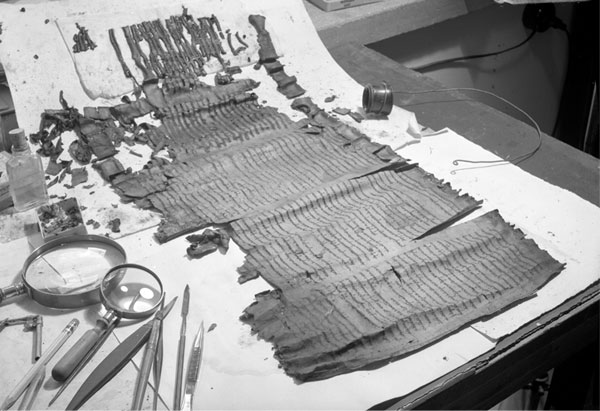

Core characteristics
Descriptions from ancient writers and material evidence suggest several features often linked to Essene communities. These include communal ownership or shared resources, strict rules of admission and discipline, regular use of ritual immersion, careful observance of purity laws, and a tendency toward austere or ascetic life. Some groups practiced celibacy; others appear to have married and raised families.
- Communal or collective property and meals
- Frequent ritual bathing and standards of purity
- Written rules and a strong emphasis on obedience and initiation
- Apocalyptic expectations and distinct interpretive traditions
History and sources
Ancient literary accounts of the Essenes come primarily from Josephus, Philo of Alexandria and Pliny the Elder, who describe their customs, numbers and general outlook. The group likely emerged sometime in the Hellenistic or Hasmonean era and flourished until the first century CE. Archaeology at the site known as Qumran produced a library of Jewish manuscripts and material remains that many scholars connect to Essene practice; modern discussions of that link often cite the Dead Sea Scrolls (Dead Sea Scrolls).
Relations with other Jewish movements
The Essenes are often contrasted with the Pharisees and Sadducees in ancient sources. While the Pharisees emphasized oral tradition and communal worship in synagogues, and the Sadducees were linked to temple priesthood and aristocratic circles, the Essenes tended to withdraw from mainstream institutions into communal life and stricter purity regimes. For a general comparison with contemporary groups see Pharisees and Sadducees.
Practices and beliefs
Key practices included ritual immersion, disciplined communal meals, careful calendrical observance, and interpretive traditions that sometimes led to apocalyptic expectations. Their communal and ascetic tendencies are often summarized under the broader concept of asceticism, though the lived reality varied across communities.
Legacy and significance
Interest in the Essenes grew sharply after the discovery of the Qumran manuscripts because they illuminate the diversity of Judaism before and during the origins of Christianity. The Essenes are valuable to historians for understanding sectarian organization, ritual practice, and apocalyptic thought in the late Second Temple world. Important ancient testimonies about them are listed by scholars and include Josephus, Philo and Pliny, alongside the archaeological record at Qumran.
- Primary ancient witnesses: Josephus, Philo, Pliny the Elder
- Archaeological focus: Qumran site and the Dead Sea manuscripts
- Scholarly note: identification with Qumran remains widely supported but not unanimous
Related articles
Author
AlegsaOnline.com Essenes: Jewish sect of the Second Temple period Leandro Alegsa
URL: https://en.alegsaonline.com/art/32235