
Erikson's stages of psychosocial development
A clear overview of Erik Erikson's eight-stage model describing psychological growth across the lifespan, its origins, stage characteristics, applications, and main criticisms.
Erikson's stages of psychosocial development is a theory that describes how people evolve psychologically from infancy to late adulthood. Developed by Erik Erikson with contributions from Joan Erikson, it frames development as a sequence of eight age-related stages, each organized around a central conflict whose resolution shapes personality and social functioning.
Image gallery
10 Images

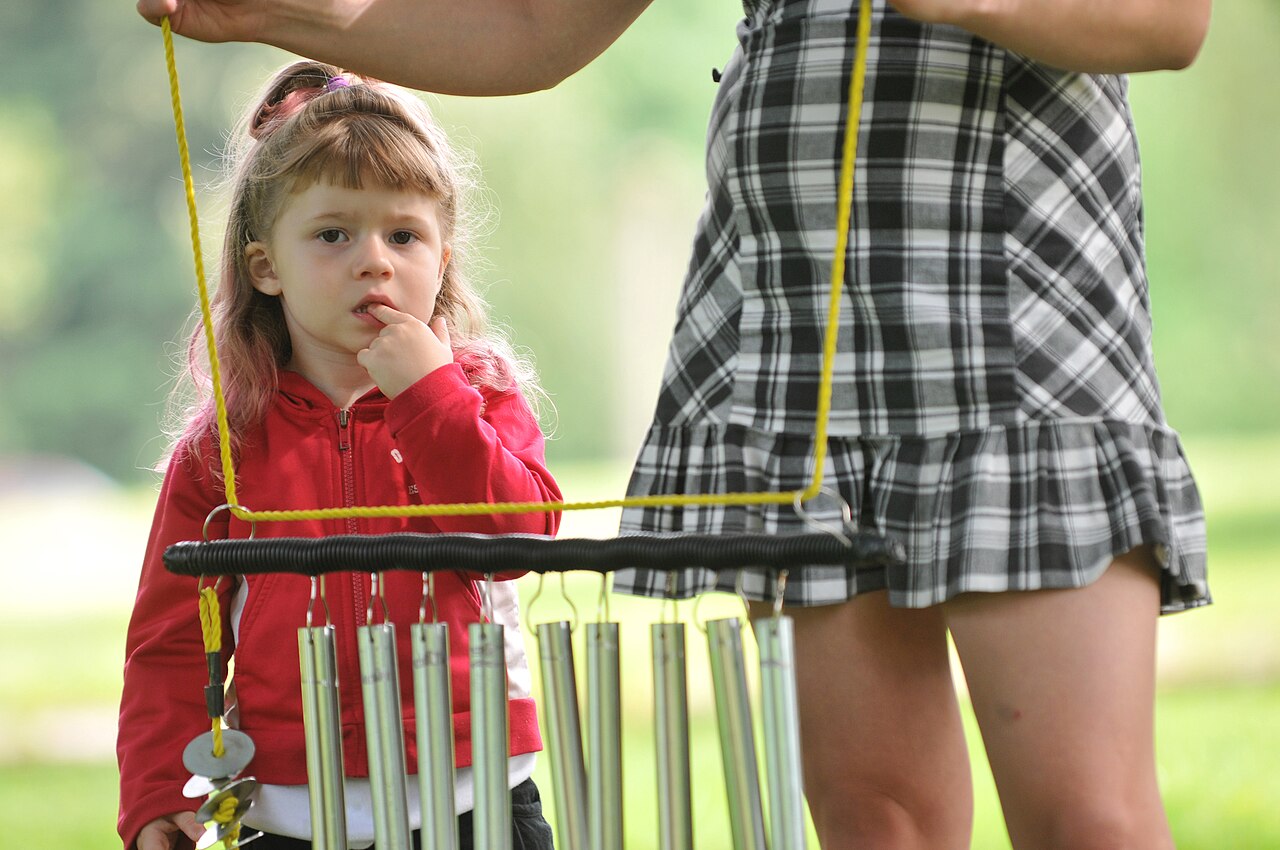




Core idea and structure
The model follows an "epigenetic" principle: each stage builds on earlier outcomes and offers a potential virtue when the central conflict is resolved positively. Success is not absolute; people can revisit earlier issues. The theory emphasizes social relationships and cultural context as drivers of development rather than only biological maturation.
The eight stages
- Infancy (Trust vs. Mistrust, 0–1): developing basic trust and hope.
- Toddlerhood (Autonomy vs. Shame/Doubt, 1–3): learning self-control and will.
- Preschool (Initiative vs. Guilt, 3–6): asserting purpose through play and exploration.
- School age (Industry vs. Inferiority, 6–12): acquiring competence and skills.
- Adolescence (Identity vs. Role Confusion, 12–18): forming a sense of self and fidelity.
- Young adulthood (Intimacy vs. Isolation): establishing close relationships and love.
- Middle adulthood (Generativity vs. Stagnation): contributing to society and caring for others.
- Old age (Integrity vs. Despair): reflecting on life with wisdom or regret.
Applications and significance
Erikson's framework informs child-rearing, education, psychotherapy and gerontology by highlighting predictable social challenges and goals across ages. Clinicians and educators use the stages to understand typical tasks (for example, identity exploration in adolescence) and to guide supportive interventions.
History, influences and criticisms
First articulated in the mid-20th century, the theory integrated psychoanalytic ideas with anthropology and lifespan perspectives. It helped shift attention to development beyond childhood. Critics note limited empirical precision, cultural variation in stage timing, and that not all people follow the sequence rigidly. Nonetheless, it remains a widely taught, influential model for thinking about psychosocial growth and life-course transitions. For further reading on the model and its context, see the original psychosocial theory overview: psychosocial theory.
Related articles
Author
AlegsaOnline.com Erikson's stages of psychosocial development Leandro Alegsa
URL: https://en.alegsaonline.com/art/31939
Sources
- web.cortland.edu : "Erikson Tutorial Home Page"