
Eric XI of Sweden (Erik Eriksson)
Eric XI (Erik Eriksson), nicknamed "the Lisp and Lame," ruled Sweden in 1222–1229 and 1234–1250. His intermittent reign reflects dynastic rivalry and helped set the stage for the rise of the Bjelbo family.
Overview
Eric XI (Erik Eriksson), often called "the Lisp and Lame" in later tradition, was king of Sweden during two nonconsecutive periods: 1222–1229 and 1234–1250. He belonged to the House of Eric and is remembered for his interrupted rule amid rivalry with other powerful noble families. Details of his youth and precise birthdate are uncertain, but he is generally placed in the early decades of the 13th century.
Image gallery
6 Images
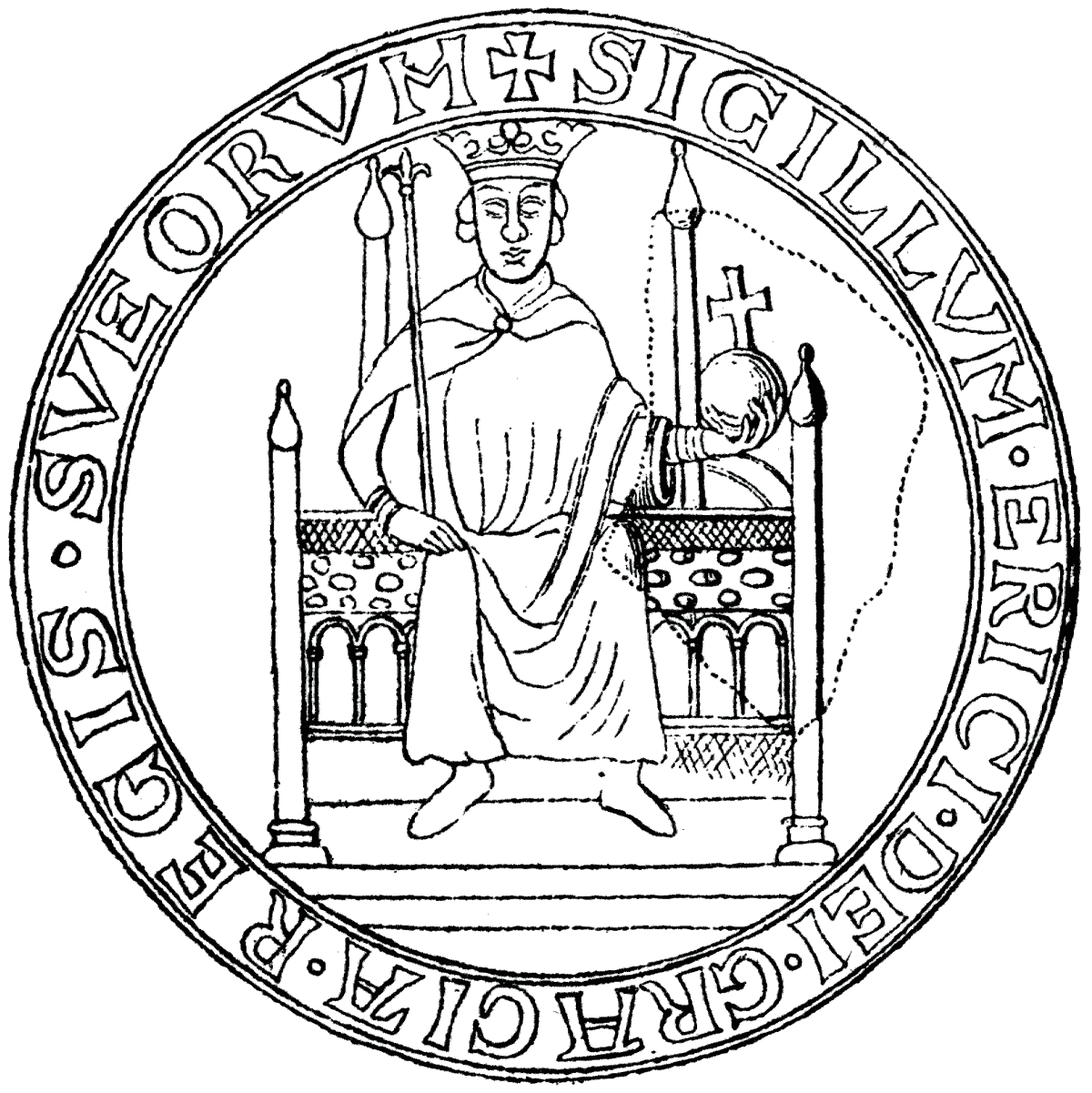


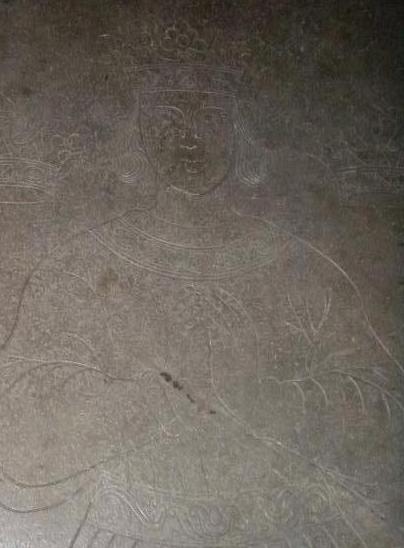
Background and accession
Eric was a son of King Eric X and his wife, a princess of foreign origin. He first became king while still a child, succeeding the previous ruler in a climate of competing dynasties — principally the houses known as Eric and Sverker. His early minority made his position vulnerable to noble factions that often used force or negotiated to change the occupant of the throne.
Reigns and political context
Eric's first reign ended when a rival noble regained power in 1229; that ruler held the kingship until 1234, when Eric was restored, reportedly with support from influential magnates and the Church. During his second and longer reign Eric's authority was constrained by powerful jarls and the growing influence of regional noble families, among them the Bjelbo (also called the Folkung) house. He ruled to 1250, a period characterized by attempts to balance aristocratic interests and ecclesiastical privileges.
Governance, church and law
Contemporary records and later chronicles suggest Eric maintained close ties with the Swedish Church and benefited from clerical support. Like other medieval kings of Scandinavia, he relied on a mix of military backing from leading nobles and alliances sealed through marriage and service. His reign occurred during gradual shifts in royal administration and the articulation of customary law, although surviving documentation is limited.
Legacy and succession
Eric died in 1250 without a surviving direct heir, and his death paved the way for the accession of younger claimants associated with the Bjelbo family. That transition is often viewed as an important step in the consolidation of a new dominant noble house in Sweden. Later histories emphasize his nickname and his place between competing dynasties rather than notable legislative achievements.
Notable facts
- Called "the Lisp and Lame" in Scandinavian tradition because of a speech impediment and physical disability noted by later chroniclers.
- His two separate reigns illustrate the unstable nature of kingship in early 13th-century Sweden.
- His death contributed to the rise of the Bjelbo family and a new phase in Swedish royal politics.
Related articles
Author
AlegsaOnline.com Eric XI of Sweden (Erik Eriksson) Leandro Alegsa
URL: https://en.alegsaonline.com/art/31898