
Erazim Kohák: Czech philosopher, exile and professor
Erazim Kohák (1933–2020) was a Czech philosopher and writer who lived in exile in the United States, taught at several American colleges, and returned after 1989 to teach and write in Prague.
Overview
Erazim Kohák (21 May 1933 – 8 February 2020) was a Czech philosopher, essayist and educator whose life bridged Czechoslovakia and the United States. Born in Prague, Kohák's early years were shaped by the upheavals of mid-20th century Europe. After his family left Czechoslovakia following the 1948 communist takeover, he built an academic career in America and later returned to contribute to Czech intellectual life after the end of communist rule.
Image gallery
1 Image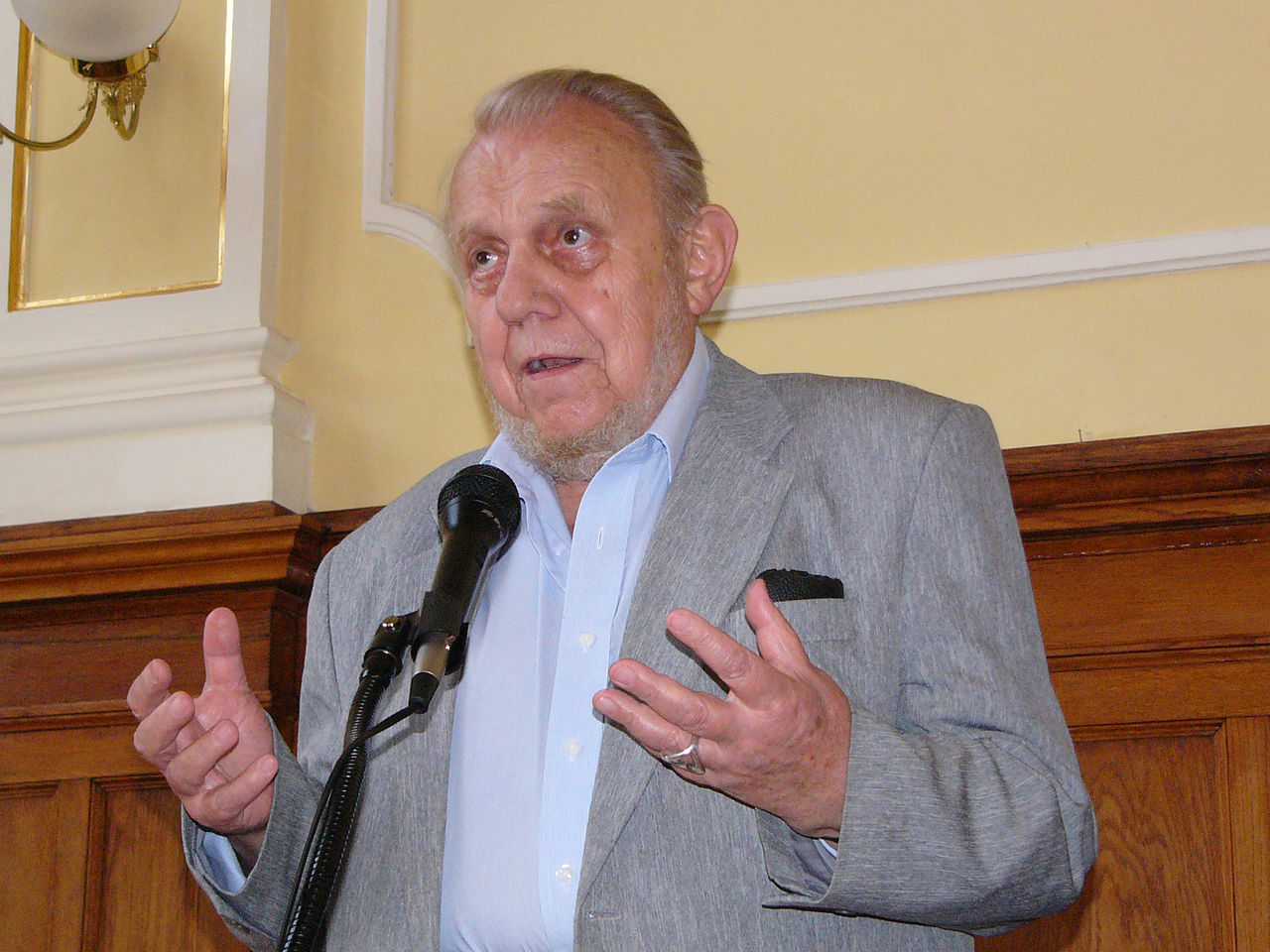
Life and career
During his years in the United States Kohák taught at institutions including Gustavus Adolphus College and later at Boston University, where he advanced to a professorial rank in the 1970s. His professional life combined classroom teaching with public writing and lectures. Following the Velvet Revolution of 1989 he returned to his homeland and accepted a professorship at Charles University in Prague, where he resumed active participation in Czech academic and cultural debates.
Philosophical interests and themes
Kohák wrote and lectured on a range of topics in moral and cultural philosophy. He is widely described as concerned with questions of ethical responsibility, human dignity, cultural memory and the relationship between people and their environment. His work often sought to connect abstract philosophical ideas with practical concerns of everyday life and public culture.
Contributions and influence
Across decades of teaching and publication Kohák influenced students and readers in both the United States and the Czech Republic. He produced essays and books aimed at a general educated audience as well as more specialized readers, engaging with moral reflection, civic life and the recovery of intellectual traditions suppressed under authoritarian rule. After returning to Prague he participated in efforts to renew academic and public discussion in the post-communist era.
Legacy
Kohák died in February 2020 at the age of 86. He is remembered as a bridge figure between Czech and American intellectual worlds: a scholar shaped by exile who returned to help rebuild intellectual life at home. His career is often cited as an example of how philosophers can play a role both in education and in broader cultural renewal.
Selected topics associated with Kohák
- Exile and return – the effects of displacement on cultural identity.
- Ethics – practical moral reflection aimed at citizens and students.
- Cultural memory – recovery and transmission of Czech intellectual traditions.
- Environmental and human relationships – reflections on how humans relate to their surroundings.
Related articles
Author
AlegsaOnline.com Erazim Kohák: Czech philosopher, exile and professor Leandro Alegsa
URL: https://en.alegsaonline.com/art/31854